Translated by OfferLand from the original Traditional Chinese post. View original

小歐特派員
Updated Aug 24, 2023
My Double Master's Degree in Agriculture at NTU and Kyoto University
Introduction
A quick bit about my background first: I did both my bachelor's and master's in the Department of Bioenvironmental Systems Engineering at National Taiwan University (NTU). Strictly speaking I'm now in the spring semester of my third master's year (also the program's last semester), studying my final semester at "京都大学院農学部応用生命科学専攻" (Division of Applied Life Sciences, Graduate School of Agriculture, Kyoto University). I expect to finish my Japanese thesis and defense in September 2023 and then go back to NTU to complete my graduation paperwork. Because of COVID at the time, after talking it over with my advisors at both schools, I decided to push things back half a year (one semester), so I didn't leave for Japan until late September 2022 and started in the fall (see Figures 1 and 2). On the NTU side I've already met all the graduation requirements (required courses, credits, thesis and defense). All that's left are Kyoto University's graduation requirements. In principle they're similar to NTU's, but with some adjustments since it's only one year. I'll explain Kyoto University's graduation requirements in more detail below.
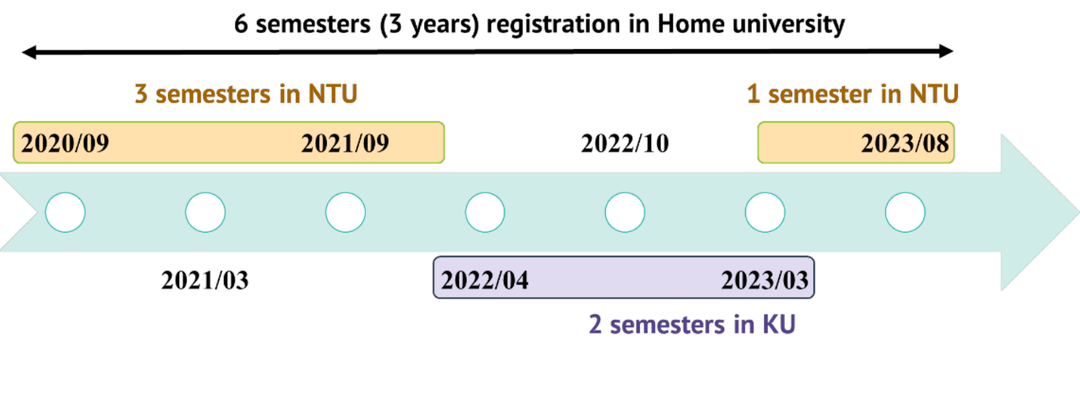
Figure 1. Double degree program timeline (original plan)
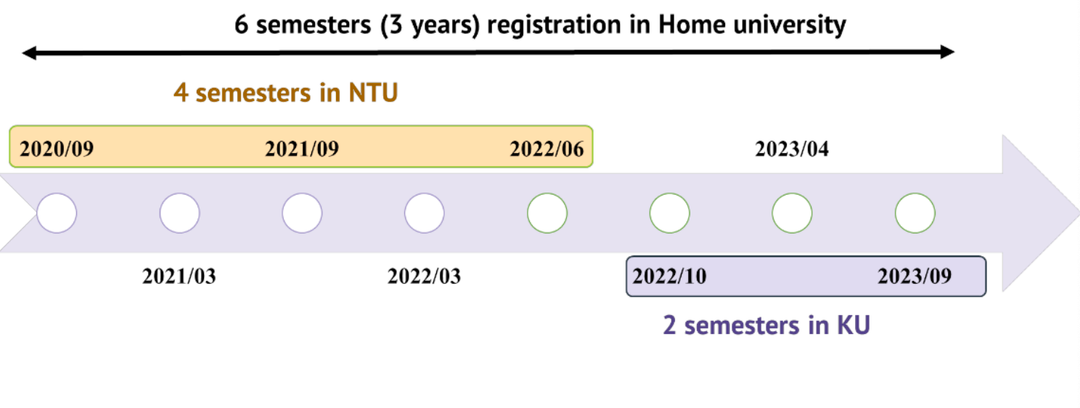
Figure 2. Double degree program timeline (mine; adjusted because of COVID)
Applying
I first heard about the program shortly after the fall semester of my first master's year began, and learned that the deadline was in early December, so after talking with my advisor in Taiwan I decided to give it a try. The most unusual and also the hardest requirement in the double degree application is getting a Japanese professor to agree to the research plan you'll carry out in Japan and to vouch for you, or write a letter saying they're willing to take you into their lab as a double degree master's student.
At first I had no connections, so I did it the hard way: I went through the Kyoto University Faculty of Agriculture website, browsed every department and every professor's lab site, and noted a few labs I might be interested in or that might relate to my master's research. After discussing them with my NTU advisor, I emailed the Japanese professors one by one to ask whether they'd be interested in the program. The tricky part was that most Kyoto University professors weren't familiar with the double degree program either, or maybe just weren't interested in it. The professor who finally replied is my current professor in Japan. The most important thing is that the Japanese professor has to approve the research plan itself, and mine got shot down outright when I submitted it. So the professor gave me a few papers and had me find a similar topic on my own, and I grabbed it like a lifeline and more or less squeezed out a research plan that looked feasible.
After that came a long back-and-forth over email, and only once both professors had agreed was I actually eligible to apply. Once I had all my application materials, the next step was an interview with senior administrators at the NTU College of Bioresources and Agriculture (for me it was the associate dean). They don't really give you a hard time: you introduce yourself, briefly describe your research plan, and they check that you really want to do a master's in Japan. As for the English requirement, it's actually not very important. I didn't even submit my English test certificate until after I was accepted.
Double degree master's
At Kyoto University, double degree students count as "regular master's students," so naturally we get the same benefits as other master's students, such as the 学生割引 (student discounts) you can apply for on campus. I mention this because Japan also has a status called 研究生 (research student), a bit like a stage international students go through before entering a Japanese program, and they sometimes get different treatment from 修士 (master's students).
Unlike universities in Taiwan, at Kyoto University one full professor oversees several associate and assistant professors, so a single lab is structured like a pyramid, from the full professor at the top down to seniors and first-year master's students. In my case, although I applied to the double degree program under Professor Ogawa's 発酵生理及び醸造学研究室 (Laboratory of Fermentation Physiology and Brewing) at Kyoto University, I actually belong to one of the associate professors' groups, and I discuss my research with that associate professor and the PhD students in the group. Major lab events, like master's presentations, mid-semester presentations and seminars, are run by the full professor, and in principle the full professor also runs each group's internal presentations.
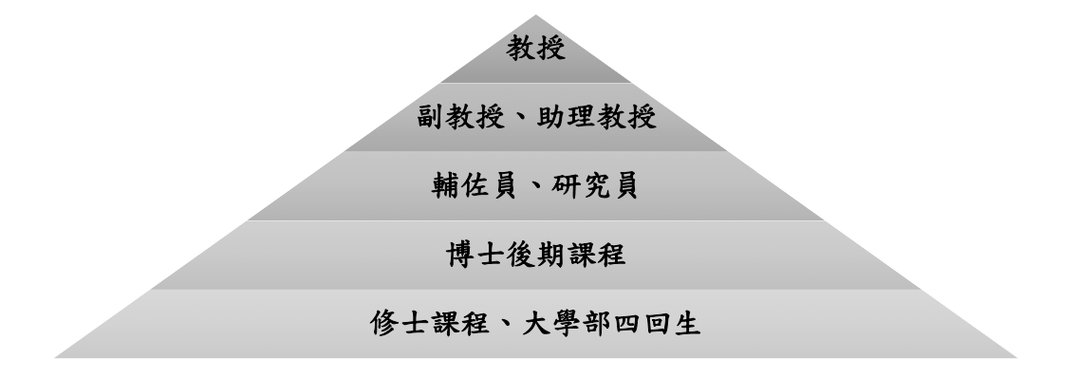
Figure 3. Lab structure at Kyoto University
Kyoto University graduation requirements
The biggest difference between double degree students and regular students is that we only take classes at Kyoto University for one year but still have to meet the requirements for a Kyoto University master's. To deal with this, Kyoto University lets students in this program use master's courses taken at NTU to cover 10 of the 30 credits required to graduate, up to a maximum of 10 credits. Just note that the NTU courses you plan to transfer may count differently once converted to Kyoto University credits (usually fewer). For coursework, you can basically only take master's-level courses, plus some courses offered specifically for international students, but Japanese-language courses generally don't count. Required credits are similar to Taiwan, with lab seminars, lab work credits and so on; see Figure 4 for details. Finally, the thesis and presentation: in principle the thesis must be on a different topic from your NTU thesis and written in English, and the length depends on what your boss requires (mine is around fifty pages on average). One unusual thing is the master's thesis presentation at Kyoto University: it's basically enough to present within your lab. All the graduating students in the same lab take turns presenting their topics and answering questions on the same day.
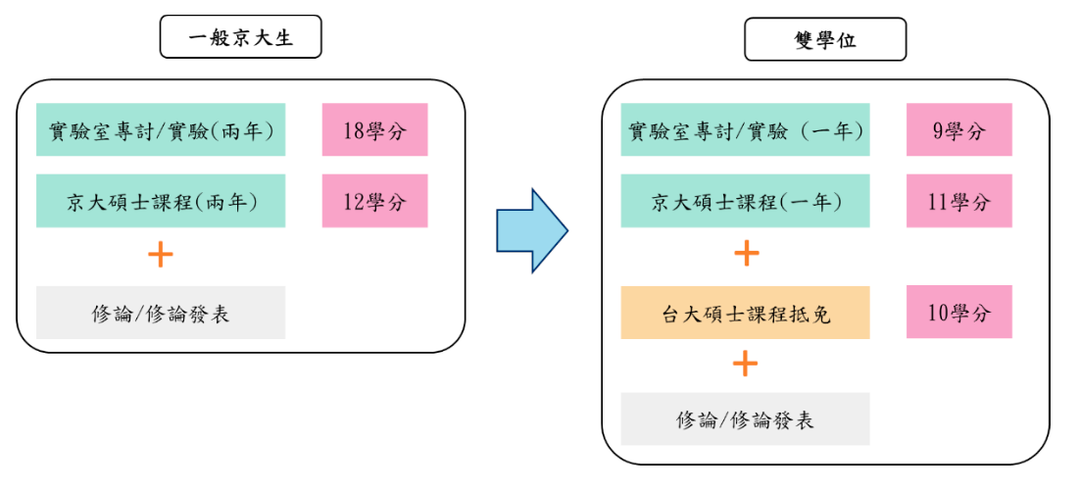
Figure 4. Kyoto University master's graduation requirements
Since time is limited, the usual advice is to take the intensive courses offered for international students (taught in English), and the foreign lecturers change from year to year. Of course, it's also best to take every course your own advisor teaches (they usually pass their own students). Also, so that both schools can keep track of how far double degree students are toward graduation, we have to put together a list of courses taken plus planned courses for the three years---the "Learning Agreement"---and have the professors at both schools sign it (Figure 5).
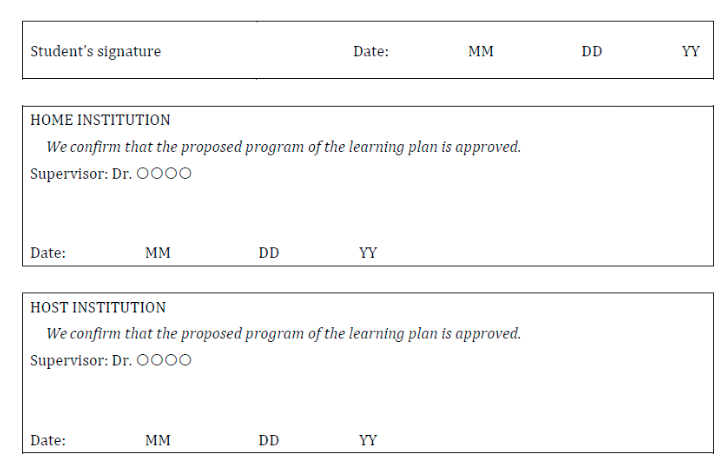
Figure 5. The advisors at both schools must sign the Learning Agreement
One last thing to point out: if you don't meet Kyoto University's requirements and can't graduate there, you can still complete just your NTU degree. But if you don't meet NTU's requirements, you can't get the Kyoto University master's degree. Even after you've met all the requirements, Kyoto University only issues its diploma after you get your NTU diploma, scan it and send it to them, and they confirm you've completed the NTU master's.
Tuition
You join the double degree program as an NTU College of Bioresources and Agriculture student, and since you're still an NTU master's student, you only pay NTU's tuition (about 30000 NTD/semester), just like an exchange student. In your third master's year you pay the fees for students extending their studies (about 15000 NTD/semester). Also, because the semesters start at different times, be sure to pay your fees before your Taiwanese school's registration deadline.
Scholarships
Before I came to Japan I had no idea the double degree program actually came with funding. After all, the program coordinator had told me there was no scholarship, and that if we wanted one we'd have to check with Kyoto University ourselves... The scholarship I get at Kyoto University is officially called 海外留学支援制度(協定受入) (Overseas Study Support Program, agreement-based acceptance). You can't just apply for it whenever you want. It works in a fairly complicated way: the JAZZO organization signs agreements with individual Japanese universities, each school has a different number of spots, and the school has to submit the application to JAZZO. I happened to catch a glimpse of some information from the international affairs office of Kyoto University's agriculture school, and it seems the program gets this funding because it's connected to some Japanese SDGs17 initiative.
I did think about applying for scholarships myself, but my double degree status was a bit unusual and I only had N3 at the time. Another reason is that this program takes a while to go through the process: from applying to getting admitted can take close to half a year, and if you're supposed to go to Japan half a year later as planned, there may not be enough time to apply for scholarships afterward.
As it turned out, though, the scholarship is pretty good. All you have to do is sign in at the start of each month, and then ¥80,000 lands in your Japanese bank account (Papa JAZZO is the best). However, if you've already received another scholarship, this support program may not apply, because in Japan you often aren't allowed to hold more than one scholarship.
Housing
As for dorms, although the program coordinator said at the time that double degree students weren't guaranteed housing, double degree students actually get a pretty early place in Kyoto University's dorm lottery, because it's a partnership program between the schools and you're only there for one year (Kyoto University dorms let international students stay for one year at most). Another reason is that rentals outside usually require at least a two-year lease, so people often hit a wall there. I currently live in "京都大学百万遍国際交流会館" (Kyoto University Hyakumanben International House). Rent is ¥33500 a month, and with monthly utilities and internet (starting at about ¥ 3000) it's under ¥40,000. For Kyoto University's main campus (the Yoshida campus and the medical school campus), the official university dorms international students can live in are Hyakumanben International House (international students only), Okazaki International House and Yoshida International House. On top of that, some real estate agencies partner with the university to run apartments for international students. I remember they were also a bit cheaper than renting on your own, but since they're shared housing, your roommates are a matter of luck. There are also dorms at the Shudoin campus and the Uji campus, but they're really far... If you're not studying in a department there, think twice even if you win a spot.
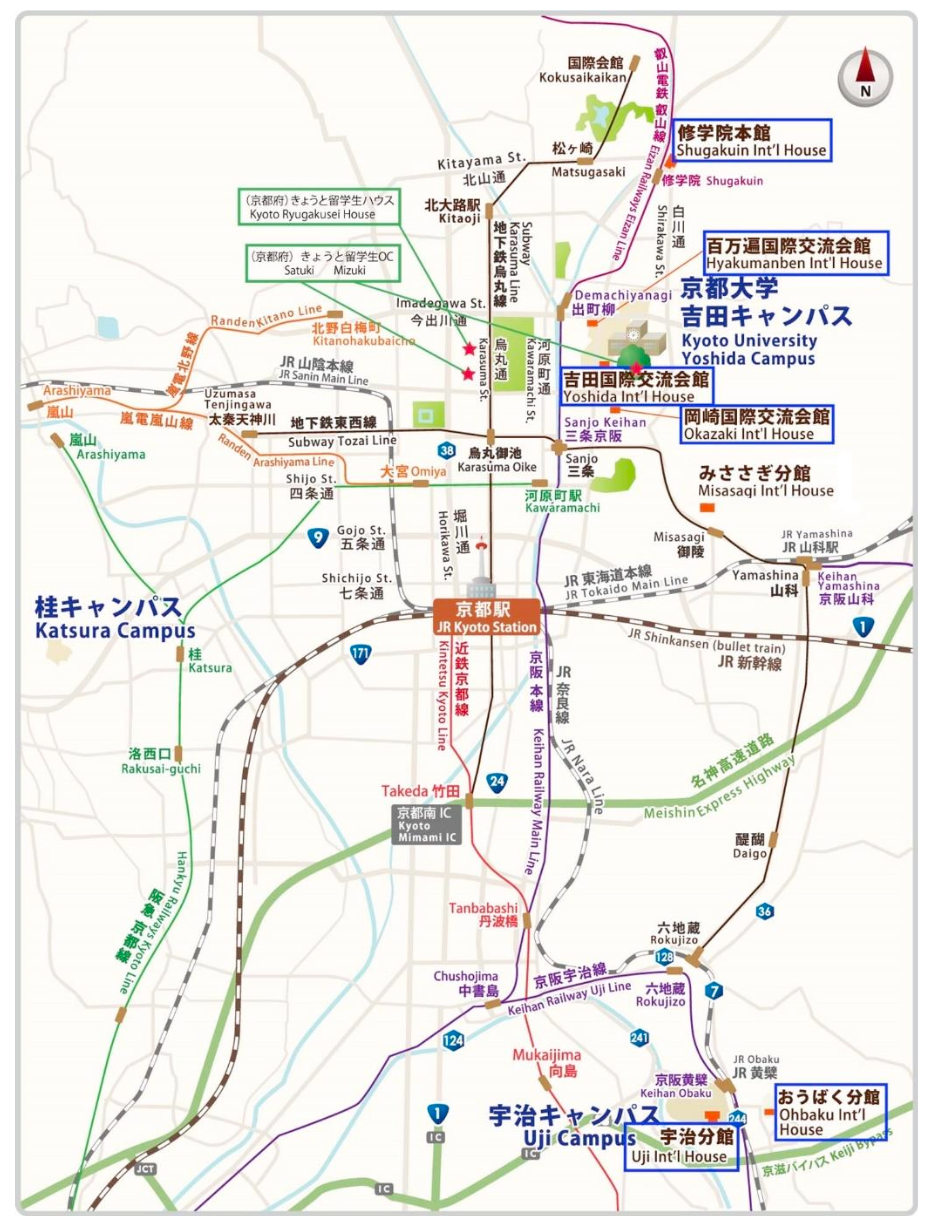
Figure 6. Map of Kyoto University International Houses (aka international student dorms)
**Note for men subject to military service**
Men applying to this program (except those who have already completed military service or are exempt) need to file an application with their own school to leave the country as a draft-eligible male two months before departure. In principle you have to apply 2 months ahead and follow your school's procedures. At NTU, for example, you fill out the application on the website, then scan the required documents and your personal information and send them to the military instructor at the Campus Security Center. Unlike students on university-level or college-level exchanges, the double degree program is run by NTU's international agriculture center, which takes no part in the departure application process at all. I got no reminders whatsoever and no emails explaining the timeline or procedure. In the end a friend who was going on exchange reminded me, and I finished the application around late July (and luckily got my exit permit in mid-September).
Hassles & frustrations
Did you notice I mentioned the program coordinator at NTU's agriculture college a few times? That's right: I asked the coordinator about quite a few Kyoto University matters, but it didn't help much (it was as good as not asking). That's understandable, though. We're only the third cohort of this program, and the first cohort was just studying at Kyoto University while we were applying, so nobody really knew yet what problems you'd run into once you're there, and even if they did, they might not be able to find a solution right away. You can imagine the double degree program itself is still growing. I also think part of it is that the international agriculture center has only one person in charge, and the coordinator I mentioned obviously handles a lot more than this one program, so naturally students in the program often end up figuring things out and asking around on their own. Part of why I'm writing this is that I suffered from the lack of information back then, so I wanted to write more about the program. Another hassle was that my visa application didn't go very smoothly because of COVID, but that shouldn't be an issue anymore, so I won't go into it here (unless you want to hear me complain and tell stories).
As for living and doing research here, the most important takeaway is that, in the end, Japanese really matters more than anything. The double degree program itself only requires an English test score, but very few Japanese people here actually speak English, and lab meetings are normally held in Japanese, so if you're genuinely interested in the program, my personal advice is to get your Japanese up to speed in Taiwan before you come.
Appendix
Full program name
2020 Double Master's Degree Program between the National Taiwan University College of Bioresources and Agriculture and the Kyoto University Graduate School of Agriculture
Eligibility
Incoming master's students at the NTU College of Bioresources and Agriculture
Undergraduate GPA of 3.0
Language proficiency test:
TOEFL-iBT: ≥ 78
IELTS: ≥ 6.0
Passed the first stage of the GEPT High-Intermediate level (not recommended*)
*NTU accepts it, but Kyoto University may not recognize it.
Taiwanese nationality required
Application documents
Double degree program application form
Statement of purpose (Chinese/English)
Undergraduate transcripts
Copy of English test certificate
Double degree study plan (signed by professors at both schools)
Recommendation letter from your current advisor (in English)
Proof that a Kyoto University professor is willing to supervise you (an email is enough)
Graduation requirements
Kyoto University requires 30 credits, a written "修論論文" (master's thesis) and a completed "修論発表" (thesis presentation). NTU requires you to meet your home department's graduation requirements (required courses, thesis, defense).
Republished with permission from HC Lin

Ian Su
Aug 25, 2023
版上第一位日本留學生!!! 好厲害
AvaHsu
Aug 25, 2023
看完發現日本留學其實蠻划算的? 有幸請到筆者分享更多資訊麻?
MiaChu
Aug 30, 2023
日本留學分享!!