Translated by OfferLand from the original Traditional Chinese post. View original

TkbGoEng
Updated Dec 7, 2023
The Ultimate Guide to Renting a Place When You Study Abroad!
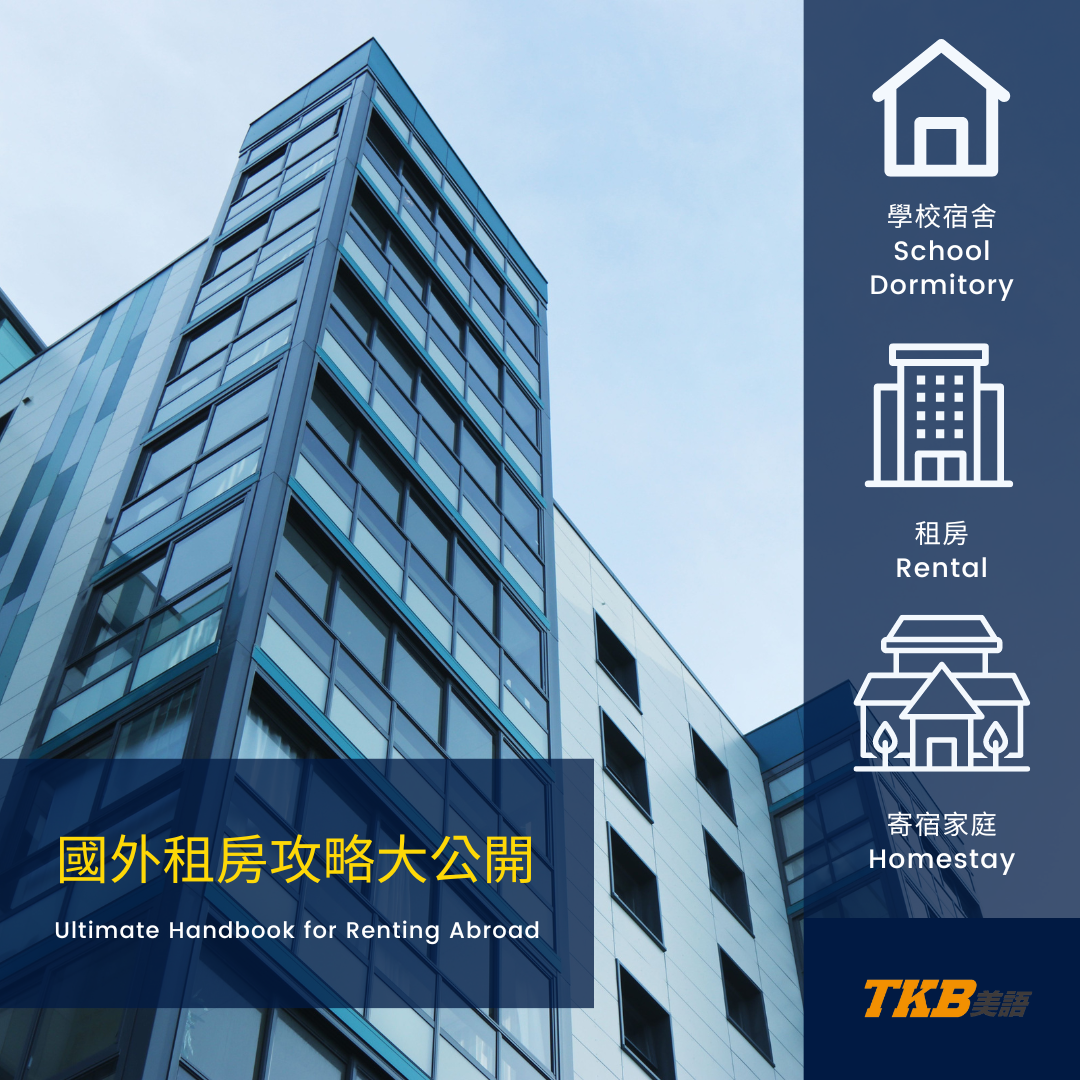
Housing abroad is very different from housing at home. Besides school life, where you live is one of the most important parts of daily life
Finding the right place to live can improve your whole experience abroad. Below we break down the three most common housing options!
👨🏼🏭👨🏼🏭👨🏼🏭
There are three main types: homestays, school dorms and renting on your own:
📌School dormitory
Facilities: your own bed, storage space, a desk and chair, plus shared spaces such as common areas, a student dining hall, shared bathrooms and a library.
Pros: convenient daily life, and living close to school cuts your commute. If something unexpected happens, school resources and help are close by. You also get more chances to join events run by the school or dorm, which helps you settle in faster and make new friends.
Cons: you have to follow dorm rules, and there's little privacy. Dorms usually have curfews and rules such as no open flames. Unless you have a single room, you'll need to learn to get along with roommates. You must be able to take care of yourself, including basic cleaning and doing your laundry.
Best for: first-year undergrads or international students without their own transportation.
📌Renting on your own (Rental)
Room types: Studio, House, Condo or Apartment
Facilities: may come with basic furniture; everything else depends on the type of place
Pros: independence and freedom. You can pick the location and type of place to suit your needs, you get a high level of privacy and security, you don't have to follow school rules, and you have the most control.
Cons: higher costs in money and time. It takes a lot of communication with your landlord, and you have to stand up for your own interests. You also take on the management: you handle everything about the place yourself, including maintenance and paying rent.
Best for: students who know the local area well, are in their second year or in grad school, and have more financial resources.
📌Homestay
Facilities: your own bed and room; you share the living room, bathroom and other common spaces with the host family.
Pros: locals help you with daily life, and meals and housework are taken care of. You can get help right away when there's a problem, and living with locals helps you quickly improve your language skills and blend into the local culture.
Cons: you have to go along with the host family's rules and schedule. It usually takes a while to adjust to the family members. It's farther from school.
Best for: international students who are still minors.
Once you pick a place, you usually won't move for at least the first three months, so the location matters. Before deciding, international students should consider the following:
Factors to consider:
Budget: assess your finances and choose housing that fits your budget.
Privacy and social needs: know how much social life and privacy you need, and choose a living environment and location that fit.
Cultural adjustment: consider how well you adapt to a new culture; a homestay may offer more cultural exchange.
Campus life: if you plan to take part in campus activities, a school dorm is the more convenient choice.
Independence: consider how independent you are and whether you're willing to manage your own daily affairs.
All in all, international students should choose the housing that best fits their needs, budget and ability to adapt to a new culture. Before you go abroad, you can also ask your school or a study-abroad agency for more advice and information.