Translated by OfferLand from the original Traditional Chinese post. View original

林沚柔
Updated Dec 9, 2023
The Complete PTE Prep Guide (Part 2)
If you haven't read Part 1 yet, check it out first (。・ω・。)~
💉Heads-up: long post, lots of pictures
Part 2 - Preparing for the PTE
Question types covered: Question types|How to prepare|Templates|Prep resources|Question bank download
In the IELTS vs. PTE comparison table in Part 1, I mentioned that the PTE has many question types and uses cross-scoring, but each question type is actually weighted differently! To get 50-60, you only need to master 10 of the 20 question types (⁎⁍̴̛ᴗ⁍̴̛⁎)!
🟡Yellow - the main question types you must master!!!
🟢Green - supporting question types
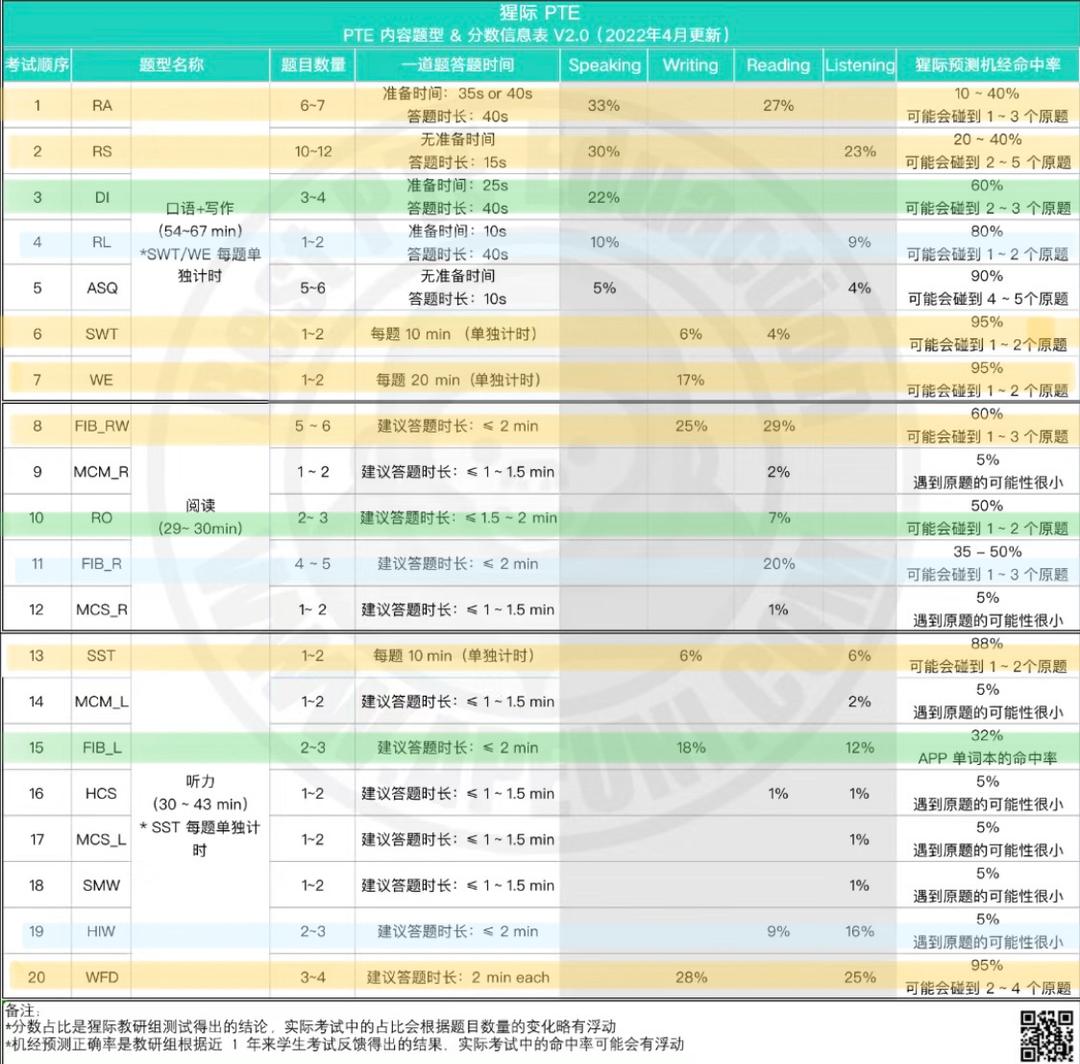
(Image source: 猩際PTE Xiaohongshu account)
1.RA (Read aloud) ★ ★ ★ ★
Read aloud a passage of about 60 words; you get 40 seconds to prepare.
✏️ How to practice
1.Practice with an app, and correct your pronunciation based on the system's score and the words it marks in red.
2.During the prep time, practice breaking the sentences into chunks and finding where you can pause for breath.
3.If you use the one-sentence method, practice finding the sentence quickly in your daily practice; once you find it, read it a few more times during the prep time.
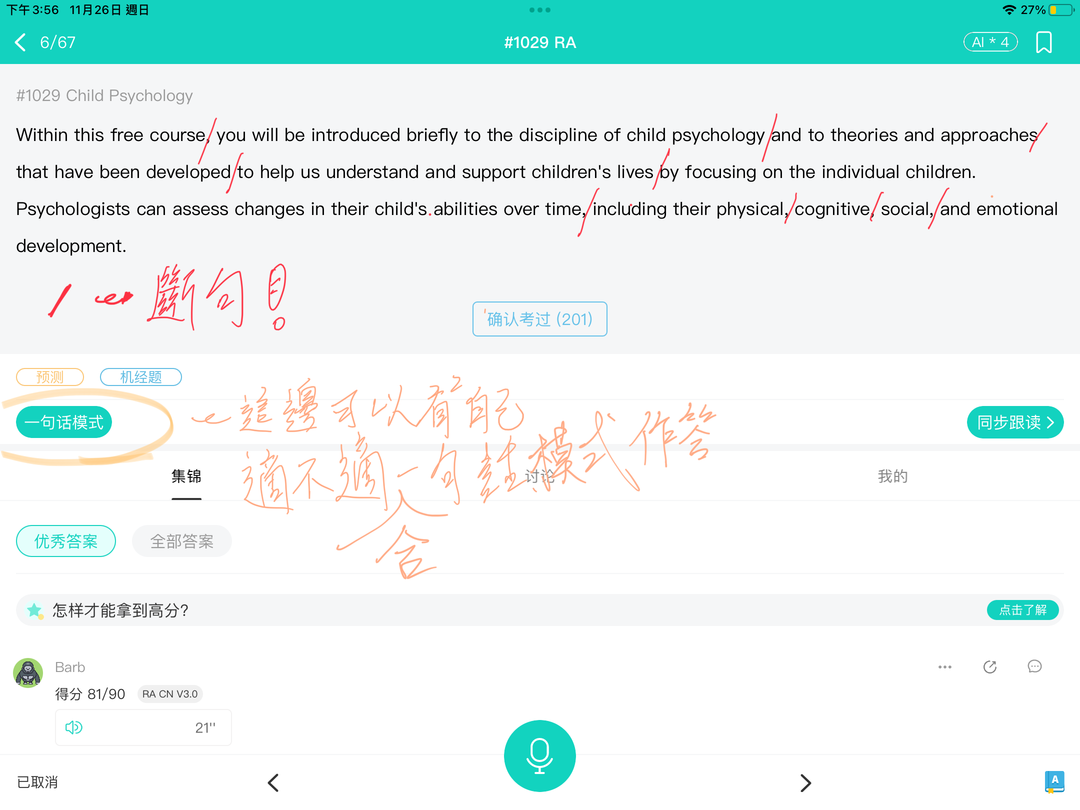
Chunking example (Image source: 猩際PTE APP)
🔑 Tips
Don't pause
Don't skip lines when reading
If you misread something, don't go back to correct it
Don't mumble your way through
Don't replace words you don't know with something
Content, pronunciation and fluency: the last one matters most
The words in the test passages are a bit easier than in the app
Don't read word by word; link the words together (this is different from how you enunciate in Chinese; think of it like singing)
One sentence! (Pick 10-15 words from the passage to read aloud)
Should you use the one-sentence method? Try it in the app and decide based on your score~
❤️My experience
For RA I used the one-sentence method (because I'm not great at chunking and often run out of breath, the kind who reads everything in one go). Reading one sentence is less tiring and less likely to show that I can't chunk (^_^;)
But I speak fast (in the app my speed goes up to 160%, and my pronunciation scores around 60-65 whether I go fast or slow), so I chose to use speed to protect my fluency score and just let pronunciation be~ If you speak slowly, don't worry: stay smooth, don't pause, and pay more attention to pronunciation. No need to train yourself to rapper speed😂.
2.RS (Repeat sentence) ★ ★ ★ ★ ★
The system plays a 3-9 second audio clip, and you have to repeat it immediately.
✏️How to practice
1.Use the app's feature to sort sentences from short to long; starting with short sentences is easier.
2. Practice 10 questions at a time (the test has 10 at a time), three times a day
3. If you can't repeat it after listening twice, look at the subtitles>drop the words you don't know>turn off the subtitles and listen for the words you know>try repeating again>make a simple version (cross out the words you don't know and join the rest into one sentence)>practice it again the next day
🔑 Tips
Don't pause
If you misread something, don't go back to correct it
Don't fake it by mumbling your way through
Don't replace words you don't know with something
Remember the score weighting: content really isn't that important
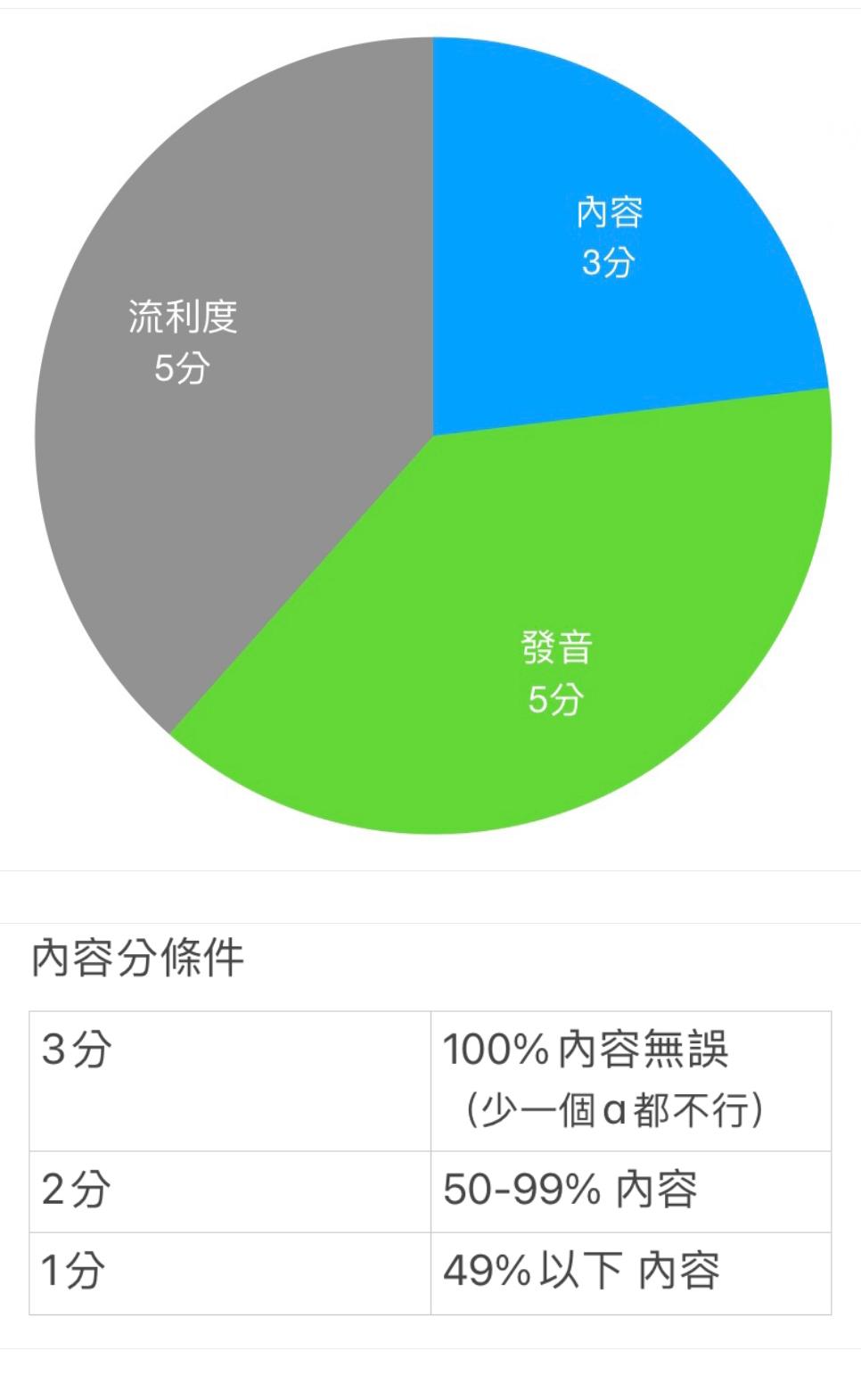
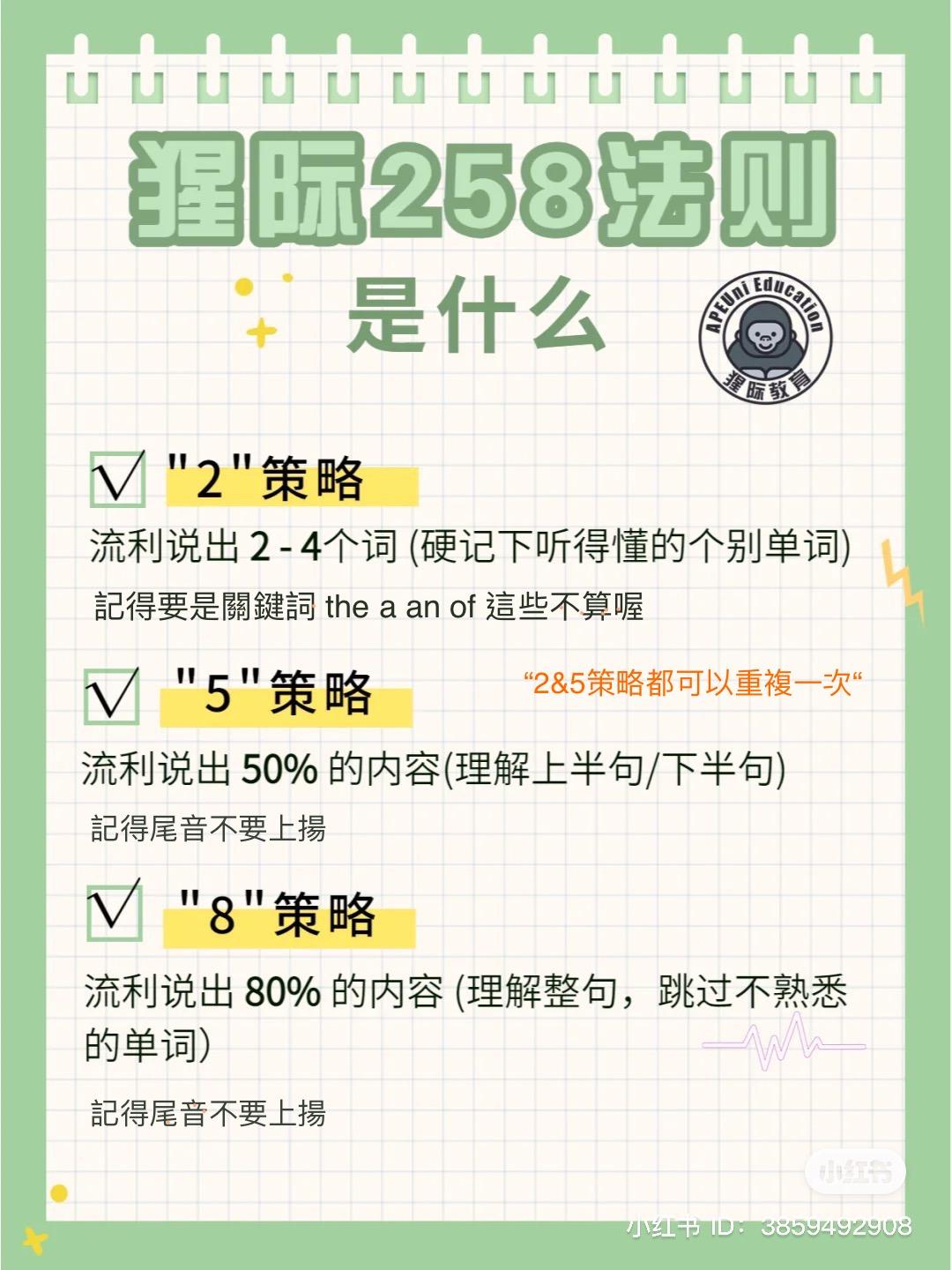
Use the 2-5-8 rule to answer (Image source: 猩際PTE Xiaohongshu)
❤My experience
The most important thing: don't get stuck on the idea of repeating everything! Saying 50% or 99% of the content gets the same score, but if you only say the parts you know, your pronunciation and fluency scores will be higher!
Having a goldfish memory at first is completely normal, so practice a lot! After about 100 questions, your brain's parrot function🦜 will be fully developed😂. I don't recommend taking notes; there really isn't time. For most long sentences I used the 5 rule, and only for really hard ones the 2 rule .
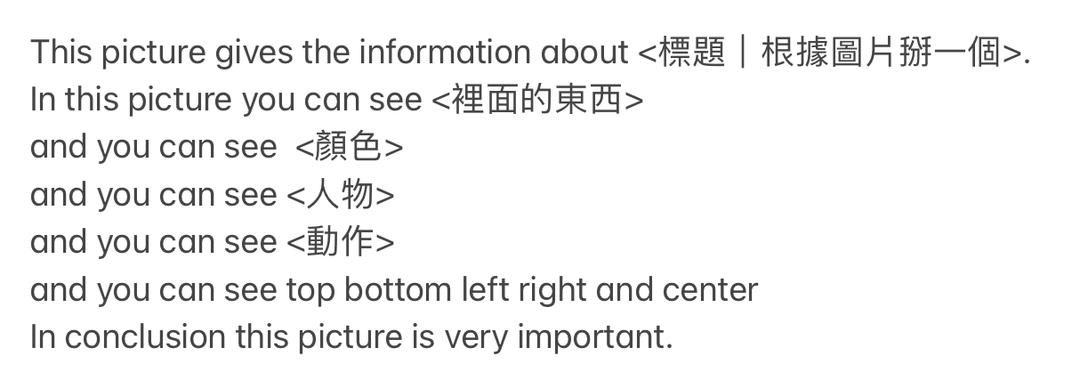
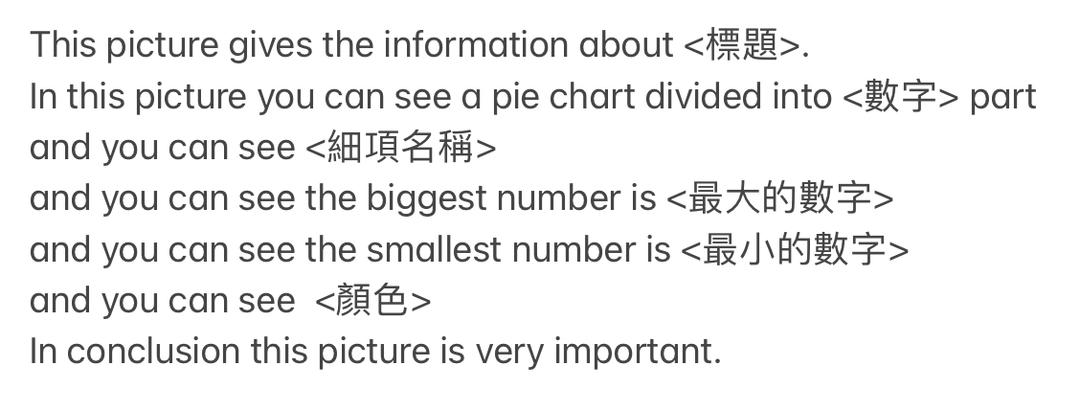
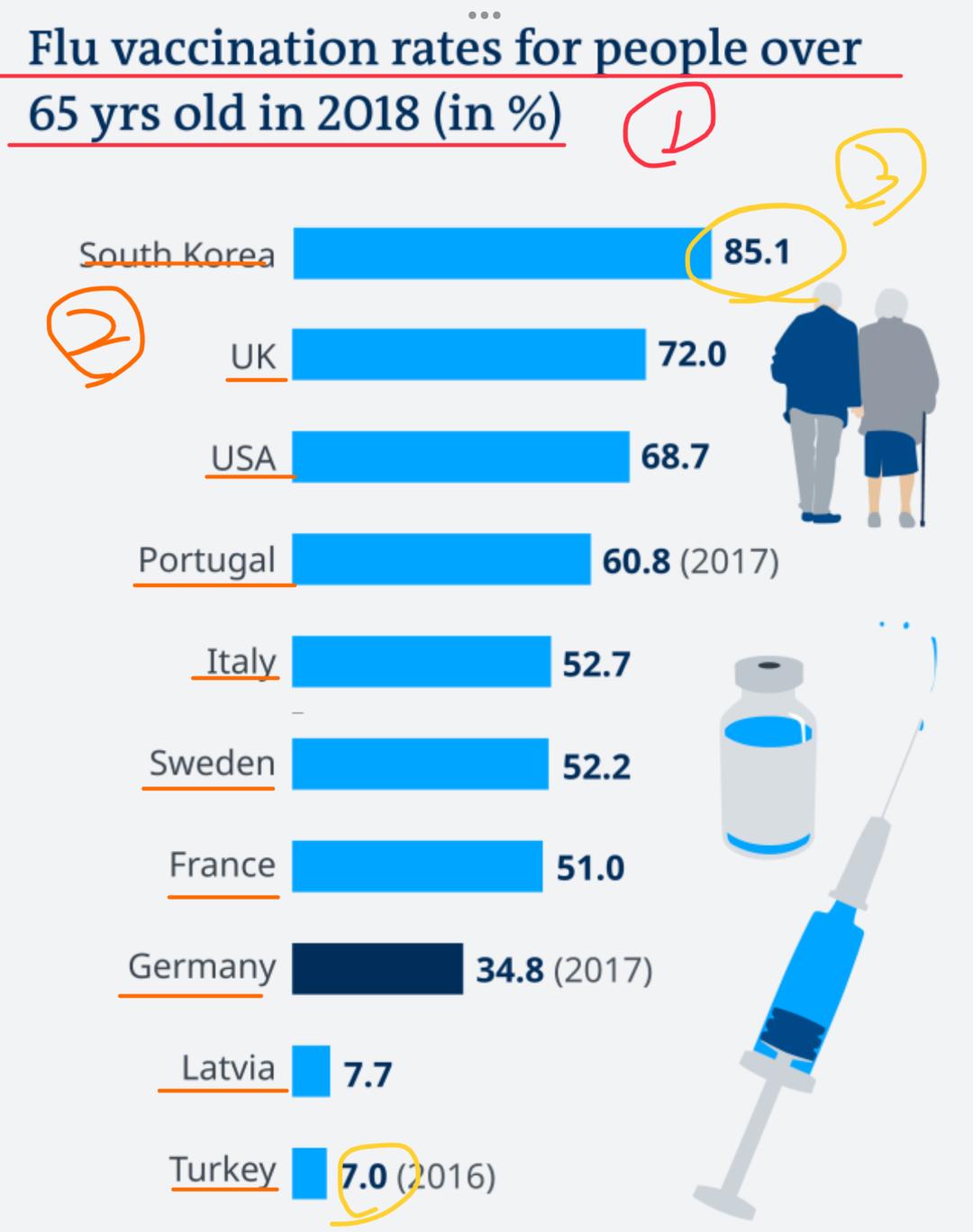
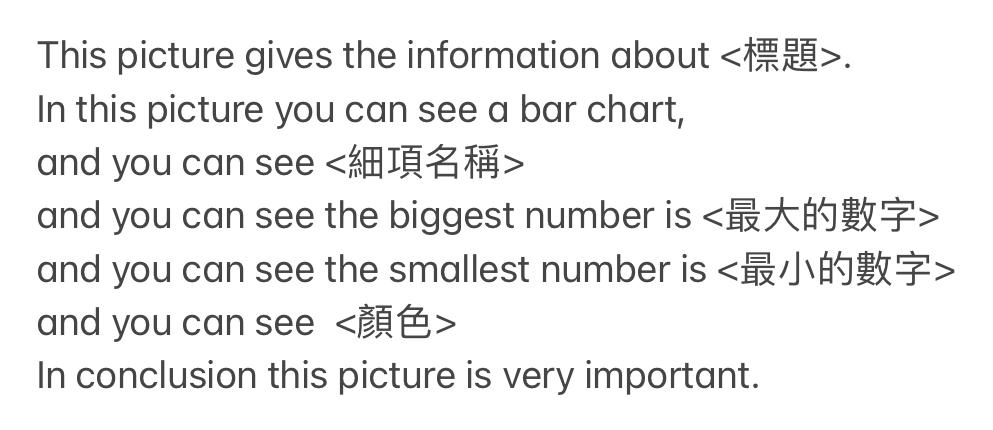
3.DI (Describe image) ★ ★ ★
The system shows an image; you get 25 seconds to look at it and 40 seconds to describe it.
✏️How to practice
1.Memorize the templates (ideally until they're muscle memory and you don't have to think when you speak)
2.Practicing 3 questions of each image type a day is enough
3.Practice saying numbers🔢; when they get into the hundreds of thousands or millions, 25 seconds of prep time really isn't enough to react
🔑 Tips
Don't pause
If you misread something, don't go back to correct it
Don't mumble your way through
Don't replace words you don't know with something
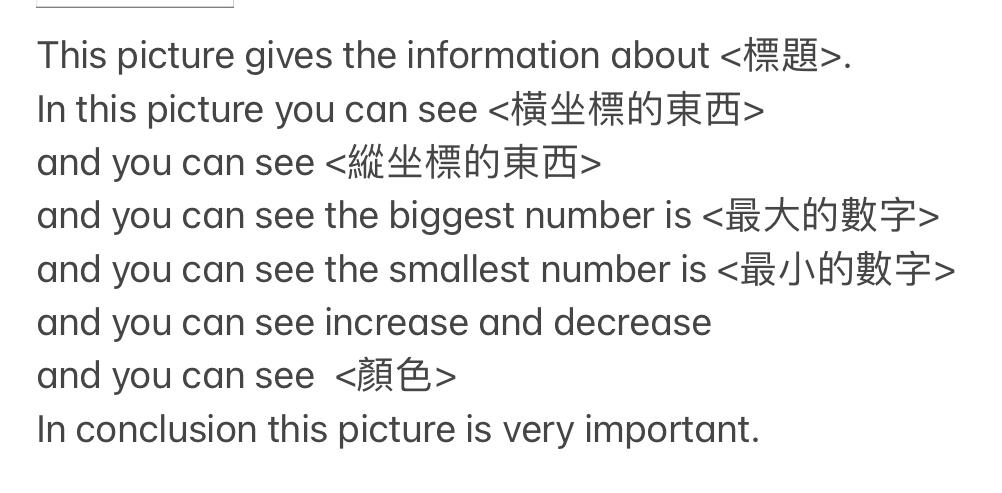
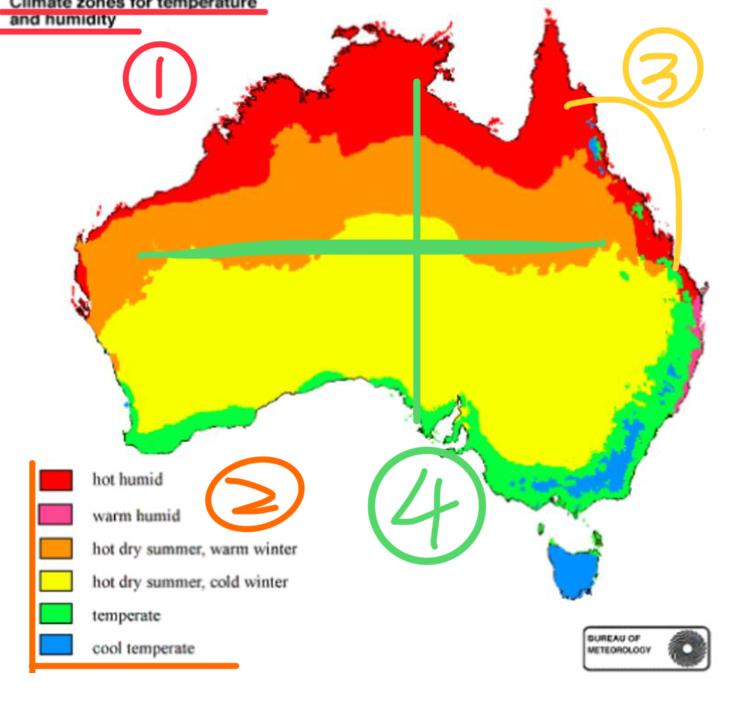
Just be fluent and don't pause; logic and grammar don't matter. Say whatever you see
Ex: There's red in this picture! There's a table and chairs in this picture! That's all it takes (it really is a nonsense contest ∠( ᐛ 」∠)_
📖Templates
Picture only

Pie chart

Bar chart
Flowchart
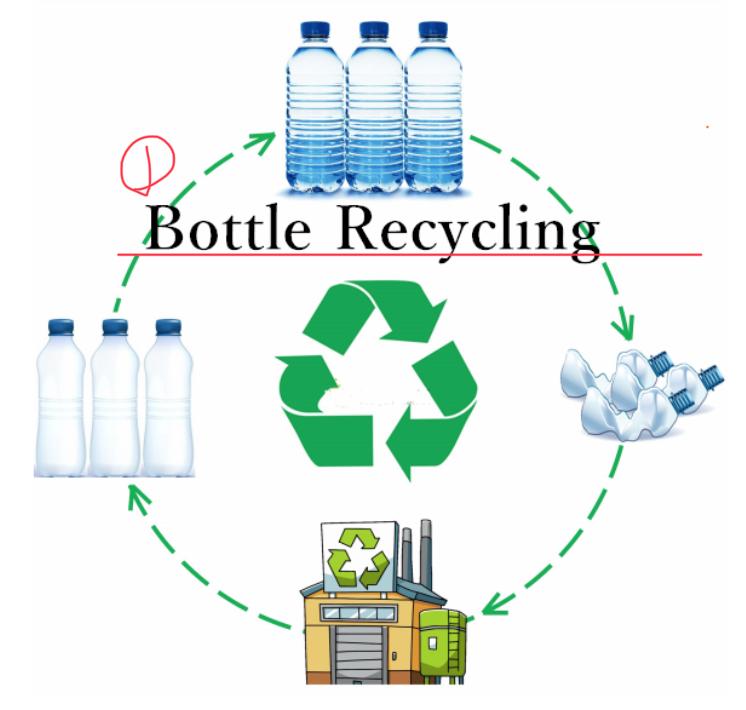
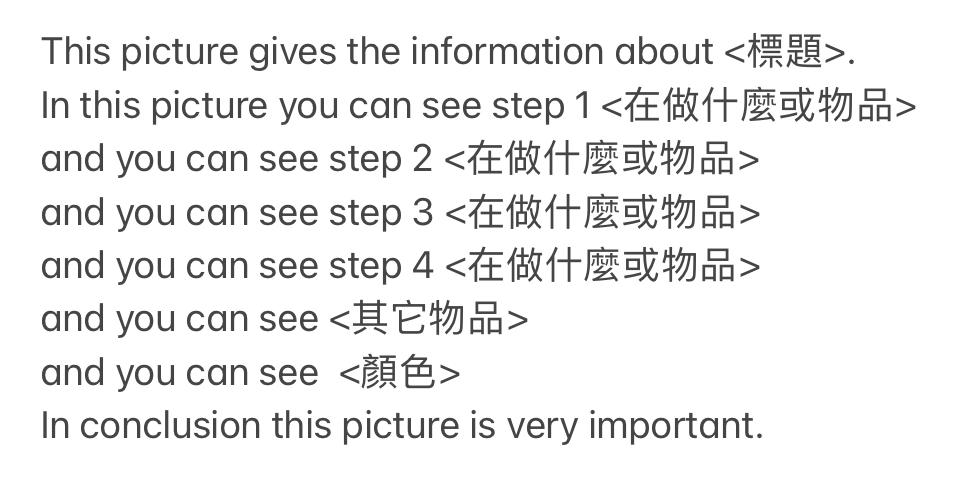
Line graph

Map
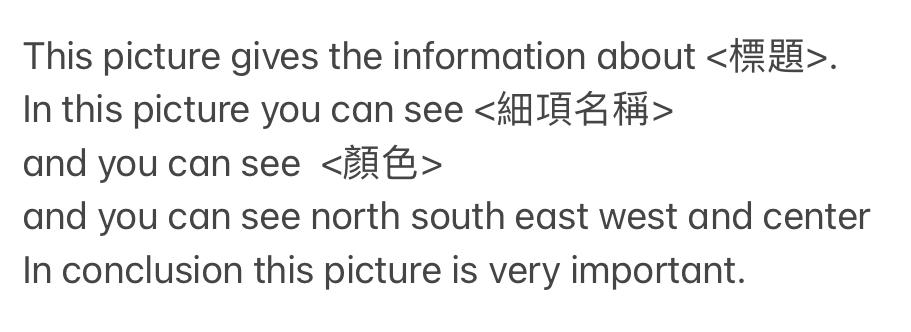
(Image source: 羊駝PTE APP)
❤My experience
Just use the template to say what's in the image. You don't need to explain what the image means, and the sentences don't need to connect. One especially important thing people overlook is practicing how to say numbers. The images are often full of hundreds of thousands and millions ( ・᷄ὢ・᷅ ), and I really don't have that much money💰💰💰, so I'm not familiar with those numbers (^_^;).
4.RL (Retell lecture) ★ ★
The computer plays an audio clip of about 2 minutes (sometimes with an image), and you have 40 seconds to retell the gist.
✏️How to practice
1.Memorize the templates (ideally until they're muscle memory and you don't have to think when you speak)
2.Practice taking notes while listening
3.Practicing 2 questions a day is enough
🔑 Tips
Don't pause
If you misread something, don't go back to correct it
Just be highly fluent and don't pause; logic doesn't matter, and neither does grammar
📖Template

(Template source: Dcard personal board y119119)
❤My experience
While listening, jot down words in the notebook, whatever you hear, whether it's a key point or not. When the audio ends, look at the whiteboard and plug the words you wrote into the template. The whole point is to speak up bravely!
5.ASQ (Answer short question)
You hear a question and must answer with a word within 3 seconds
✏️How to practice
1.You can memorize the answers together with their Chinese translations
2.Honestly, it's ok not to practice at all: it's worth very few points, so the payoff is low
3.Treat it as a fun quiz before bed, or when you're sick of practicing other question types
🔑 Tips
Just answer with a word; no need for a sentence
When the question asks whether it's A or B and you don't know, you can say both
❤My experience
It's a fun segment. If your target isn't high, treat it as a buffer before the writing. I didn't practice; I just listened and answered on the spot.
6.SWT (Summarize written text) ★ ★ ★
You read a passage and summarize it in one sentence. (5-75 words)
✏️How to practice
1.Memorize the template
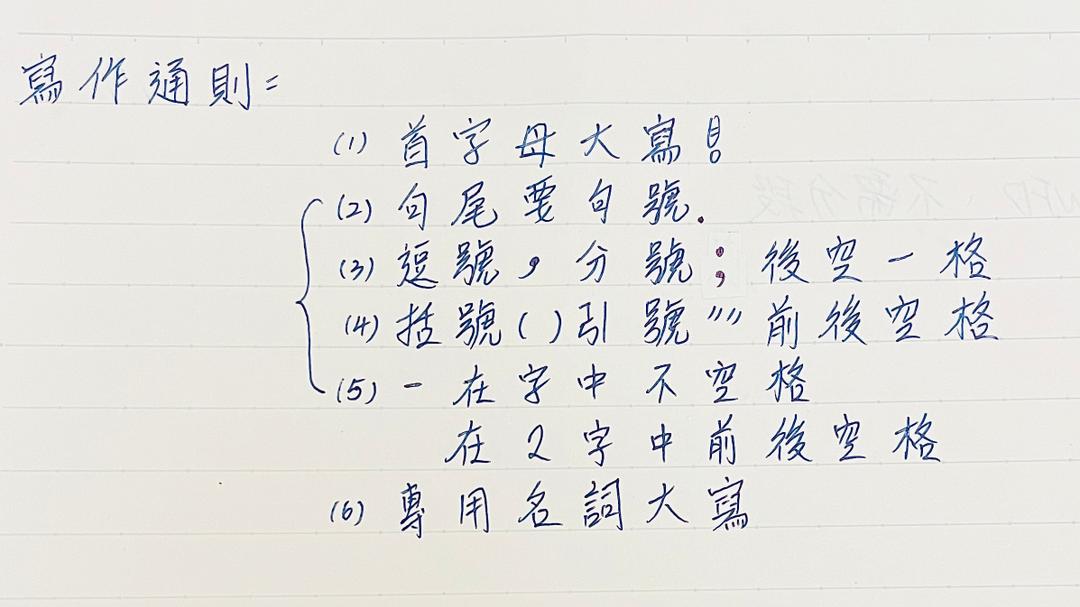
2.Pay attention to the writing rules
🔑 Tips
Use the app to check your answers
Only 1 period allowed!
Watch your typing time
In the test you can't copy and paste from the passage; you have to type it yourself
Leave 3 minutes to check your writing for format errors (word count, spelling……)
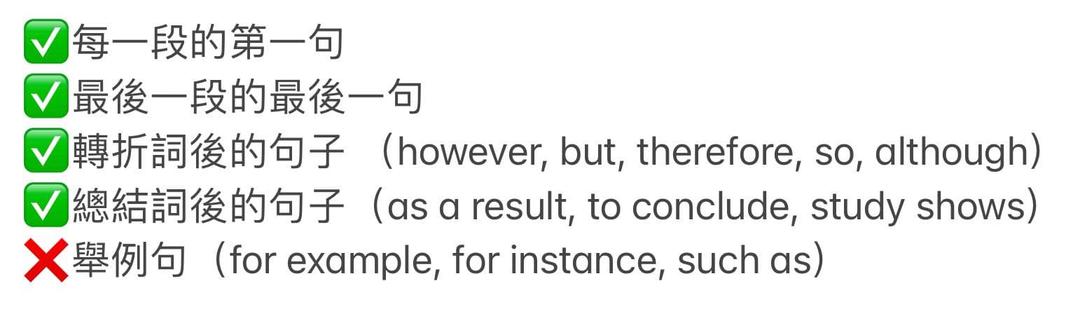
How do you pick the sentences?
📖Template

❤My experience
This one has a super super high payoff! Just copy sentences from the passage; no thinking needed at all!
7.WE (Write essay) ★ ★ ★ ★
You get a topic or scenario and have to write an essay with arguments for and against.
✏️How to practice
1. Pay attention to the writing rules
2. Go through the question bank and brainstorm vocabulary for different topics
3. Type out the template once every day and make sure there are no mistakes! (Don't throw away grammar and spelling points)
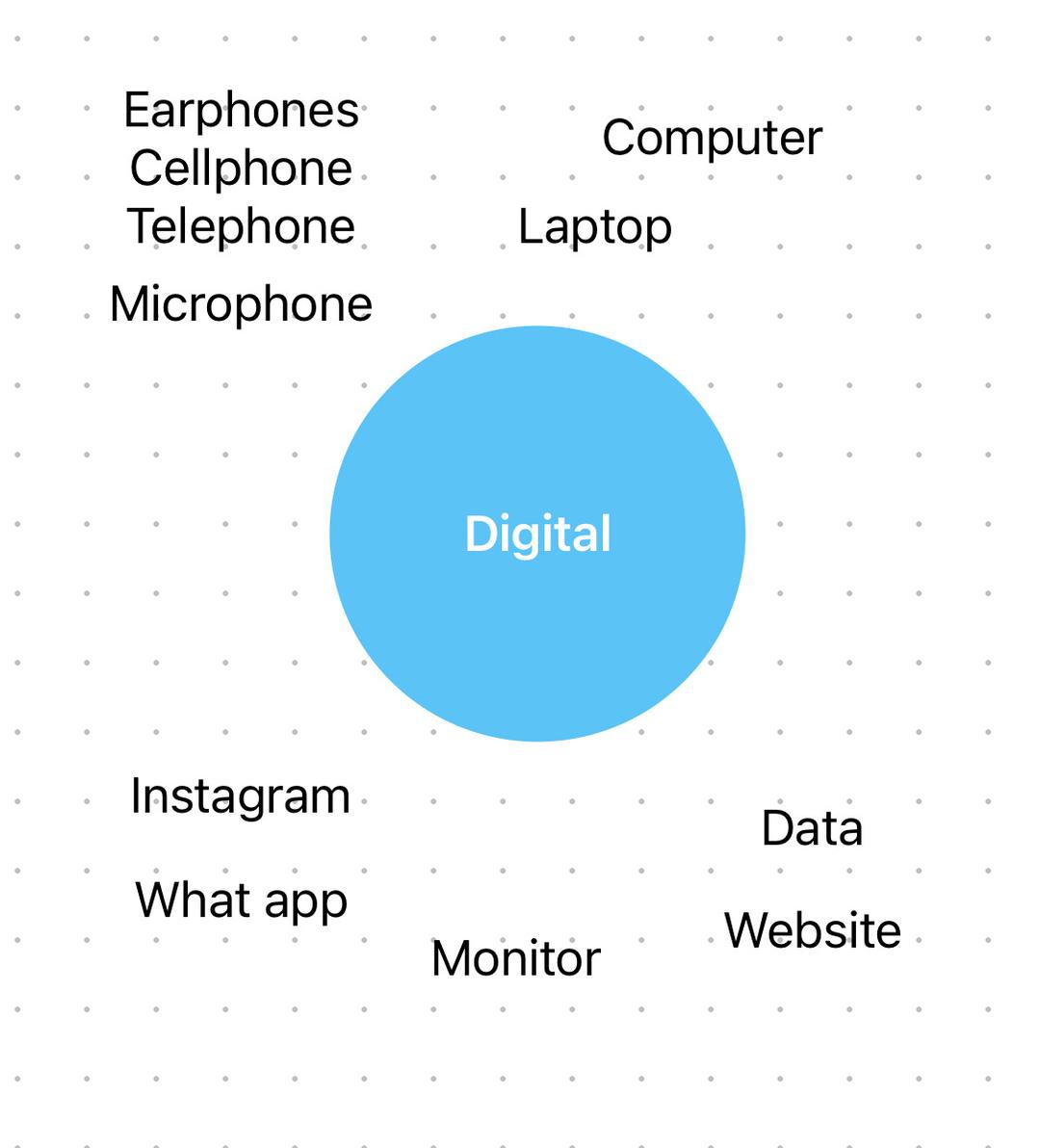
The topic I got that day was digital development, and these are roughly the words I used. They don't have to be hard; not misspelling them matters more. The template will get you full marks for vocabulary range!
🔑 Tips
Write 4 paragraphs
Watch your typing time (finishing the template within 10 minutes is safer)
Leave 3 minutes to check your writing for format errors (word count, spelling……)
Spelling, grammar, format, vocabulary range and content are what's scored, so your ideas don't matter; getting the format, spelling and grammar right matters more!
📖Template
Blue - copy the prompt as is
Yellow - fill in related nouns you come up with
Orange - pick 1 of 2 depending on the prompt
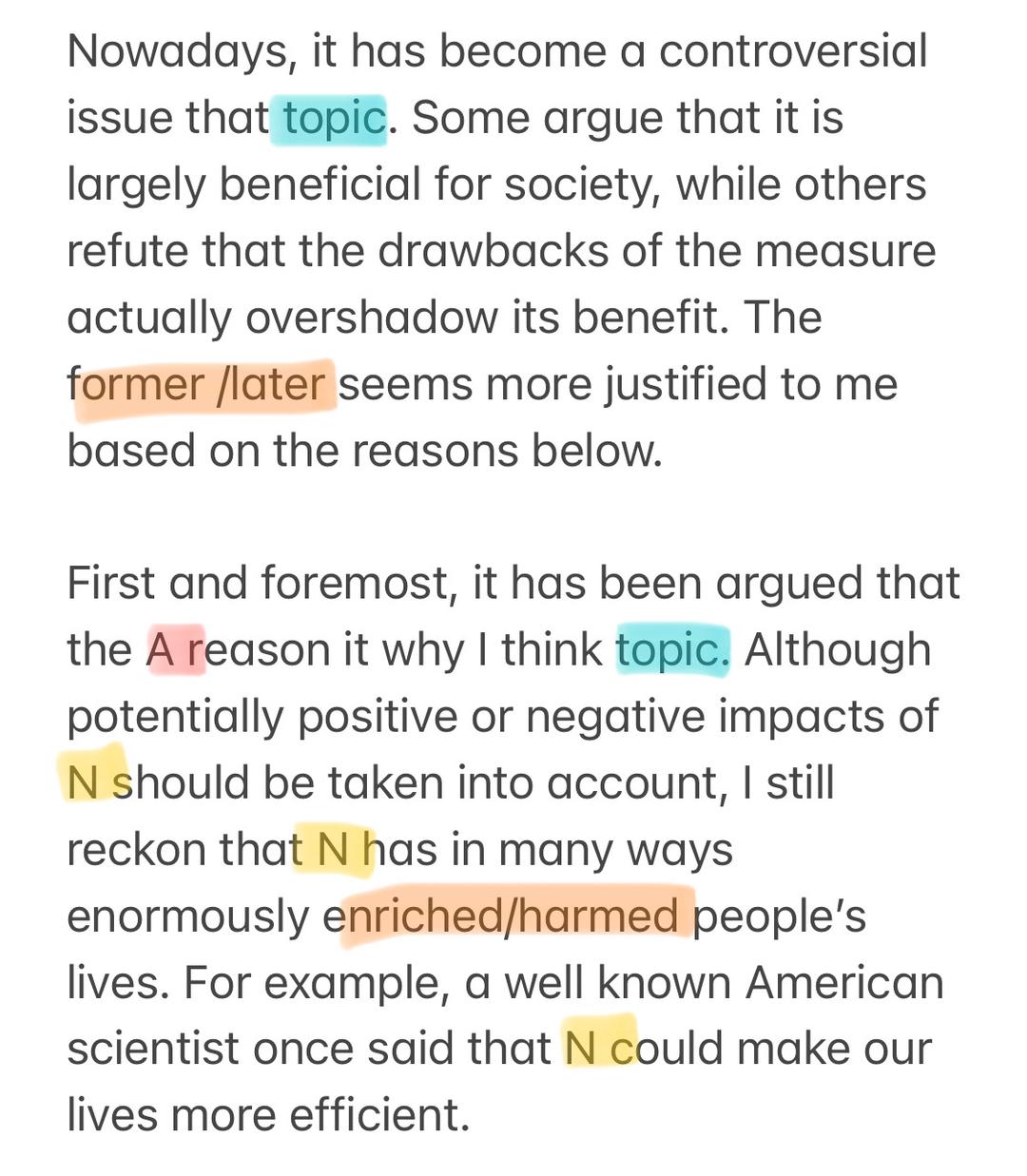
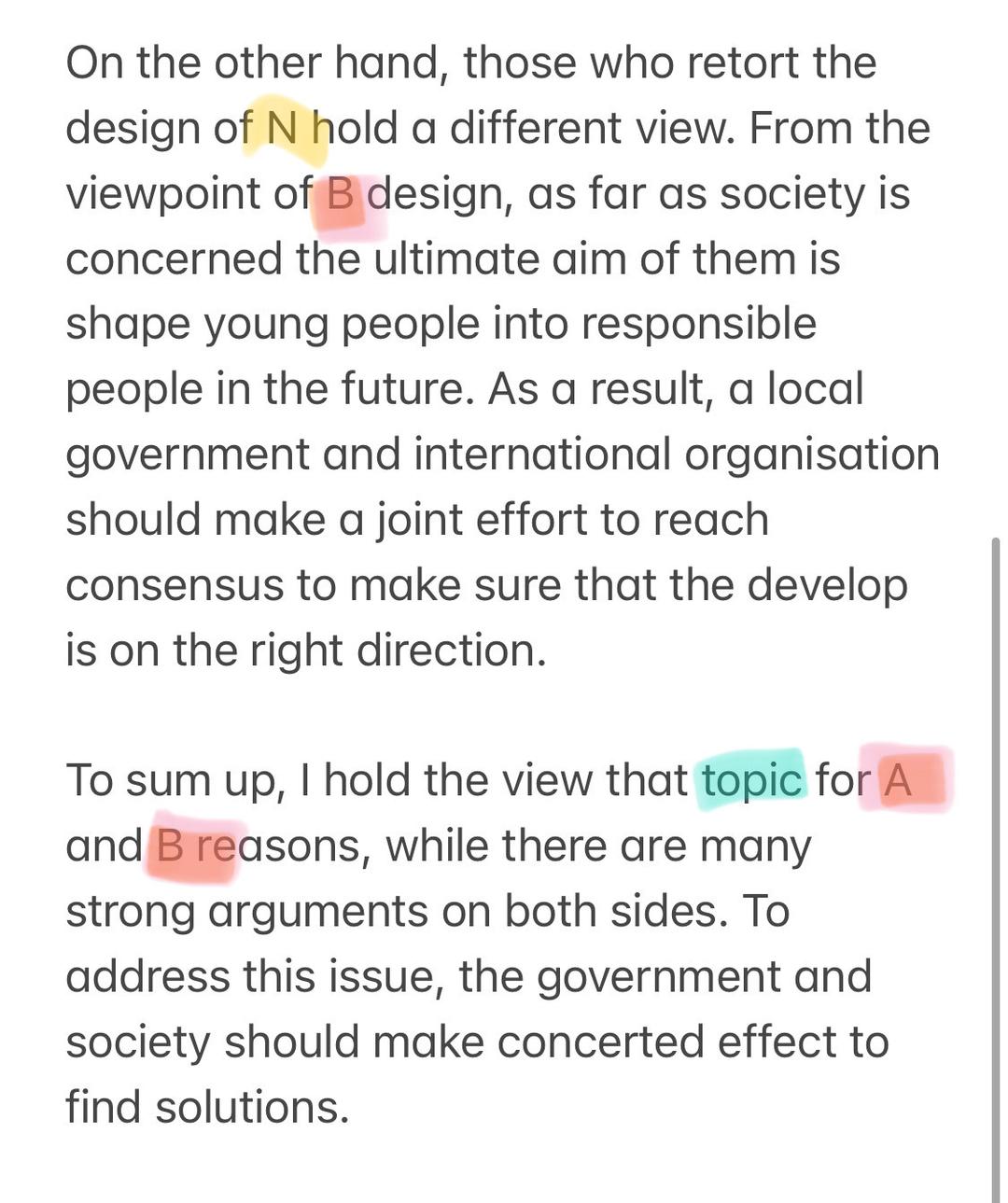

(Template source: Dcard personal board y119119)
❤My experience
It works for every topic, and if you get two essays you can use the same template for both. I nearly ran out of time at the end and some parts were still 123, but I still got 66 in writing, so don't stress too much~
8.Reading multiple choice (single and multiple answers)
Read the passage and choose the correct answer
🔑Tips
If you have no idea, just pick C to save time
For multiple answers, if you're not sure, pick just one; wrong answers lose points
This one is worth very little, so don't agonize over it; it's fine not to practice it
9.RO (Re-order paragraphs) ★ ★
You get about 4-6 shuffled sentences and have to put them back in order
✏️How to practice
1. When practicing, look at the answer first>read the explanation to understand the parts of speech, so you know how to order the sentences even when you don't understand them>try ordering them yourself
🔑 Tips
Sentences with pronouns like they he she usually aren't the first sentence; once you figure out the first sentence, the rest gets easier
❤My experience
Don't memorize rhymes and tricks; make sure you find explanations based on grammar and parts of speech, so you won't panic when you hit a question you've never seen. (In my test I didn't get a single question from the question bank (;´༎ຶД༎ຶ`)
10.FIBR (Reading: Fill in the Blanks) ★ ★
Drag words into the blanks in a passage
Practice the same way as below
11.FIBRW (Reading & Writing: Fill in the Blanks) ★ ★ ★ ★
Fill in the blanks in a passage, choosing 1 of 4 options
✏️How to practice
1. Grind through questions like crazy!! At the very least, make sure you get the question-bank questions right!
2.First time through, look at the answer directly>read the Chinese translation of the sentence>practice it yourself>practice again the next day (repeat the cycle)
3. You can also answer by feel or by analyzing parts of speech
🔑 tips
You don't need to read the whole passage; the sentence with the blank+the sentences before and after are enough
Lots of the words are uncommon, but most are decorative and ignoring them barely affects the meaning; focus on the parts you know
🧠Brainless guessing method (just based on stats, not guaranteed to be right!!!)
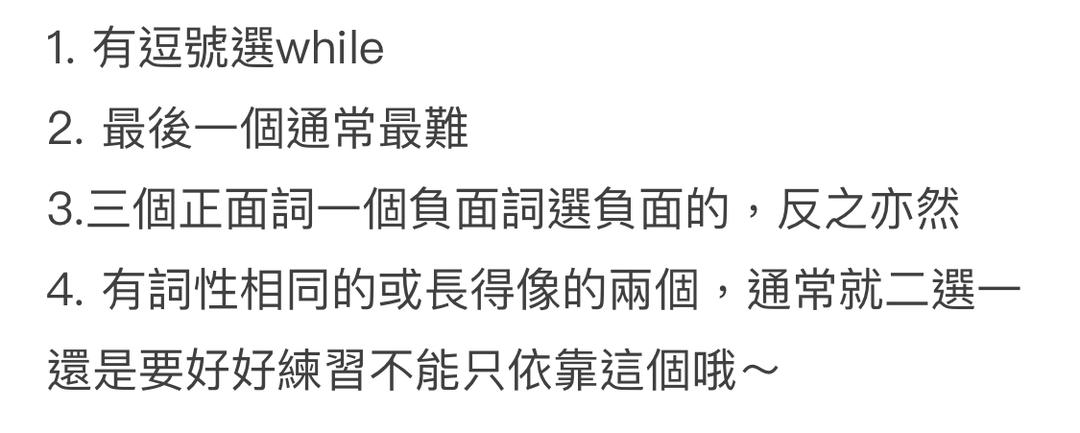
❤My experience
At first the words will seem complicated and you won't understand them, but don't panic: lots of them are just decorative, and ignoring them doesn't affect the meaning, so don't get scared off. I took the test twice; the first time I failed because my reading was too weak. After that I practiced this question type like crazy, my reading score reached the target, and I even got two question-bank questions in the test (((o(*゚▽゚*)o))).
12.SST (Summarize Spoken Text) ★ ★ ★
Listen to a lecture and summarize it in a 50-70 word paragraph
🔑 tips
Remember to check the word count and the template
Better to leave a word out than to misspell it; the penalty is heavy
It's one paragraph, so don't split it! 👈 learned the hard way (T . T)
While listening, write down the keywords you hear (mostly nouns) and plug them into the template
📖Template
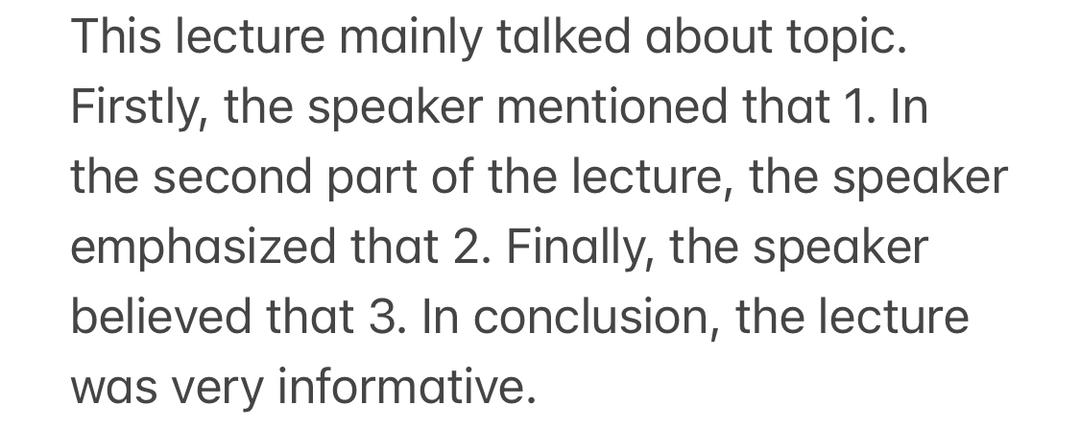
(Template source: Dcard personal board y119119)
❤My experience
While listening to the audio, write keywords on the whiteboard and slot them into the template. I only filled in words because I was afraid of making grammar mistakes; if your level is higher, you can try filling in sentences~
13.Listening multiple choice (single and multiple answers)
🔑 Tips
If you have no idea, just pick C to save time
For multiple answers, if you're not sure, pick just one; wrong answers lose points
This one is worth very little, so don't agonize over it; it's fine not to practice it
14.FIBL (Fill in the Blanks) ★ ★
The screen shows a passage with blanks, the system plays the audio of the passage, and you fill in the missing words
🔑 tips
Since I hadn't memorized the keyboard, I'd write the words down by hand first and then type them (handwriting has muscle memory, so you're less likely to misspell)
If you write by hand, practice writing without looking; keep your eyes on the screen
15.SMW (Select Missing Word)
The system plays an audio clip with the last word muted, and you choose the correct word
🔑 Tips
If you have no idea, just pick C to save time
This one is worth very little, so don't agonize over it; you don't need to practice it either
16.HIW (Highlight Incorrect Words) ★ ★ ★
The screen shows a passage, the system plays the audio of the passage, and you select the words that are read differently
🔑 Tips
There won't be tiny differences like a missing s
Place names, personal names and proper nouns won't be changed
If you miss one, let it go and quickly catch up with the next one
Only select answers you're sure of; wrong answers lose points (missing ones don't)
Read the first sentence during the prep time, and move the mouse along with the audio, clicking each one as you spot it
❤My experience
I didn't practice this part much, because I talk fast myself, so I rarely fall behind.
17.WFD (Write from Dictation) ★ ★ ★ ★ ★
The computer plays a sentence, and you have to type it out in full
✏️How to practice
When memorizing, break the sentence into chunks to make it easier to remember
Use the app's audio playback feature and listen during your commute to get a feel for the language
Read 30 questions a day; the next day, review yesterday's and then read new ones (repeat daily)
Use the 螢火蟲 (Firefly) app to print out the WFD question bank and memorize it; about 200 questions in total
🔑 tips
Try the first-letter method: while listening, jot down the first letter of each word, then go back and type it out slowly
I used repeating+the first-letter method: listen carefully, then when the audio ends, repeat the sentence while typing the first letters
Extra words don't cost points, so if you're unsure about tense or singular/plural, type all of them (e.g. play played plays cake cakes)
Same with other words (e.g. a the in on at for …)
❤My experience
This question type is worth almost one point per word, and the sentences are drawn from those 200, so the return on investment is high (。ì _ í。). You really need to get them all right~ I practiced until I knew the rest of a sentence from hearing its start. The WFD in the test was read a little more clearly and a tiny bit slower than in 螢火蟲.
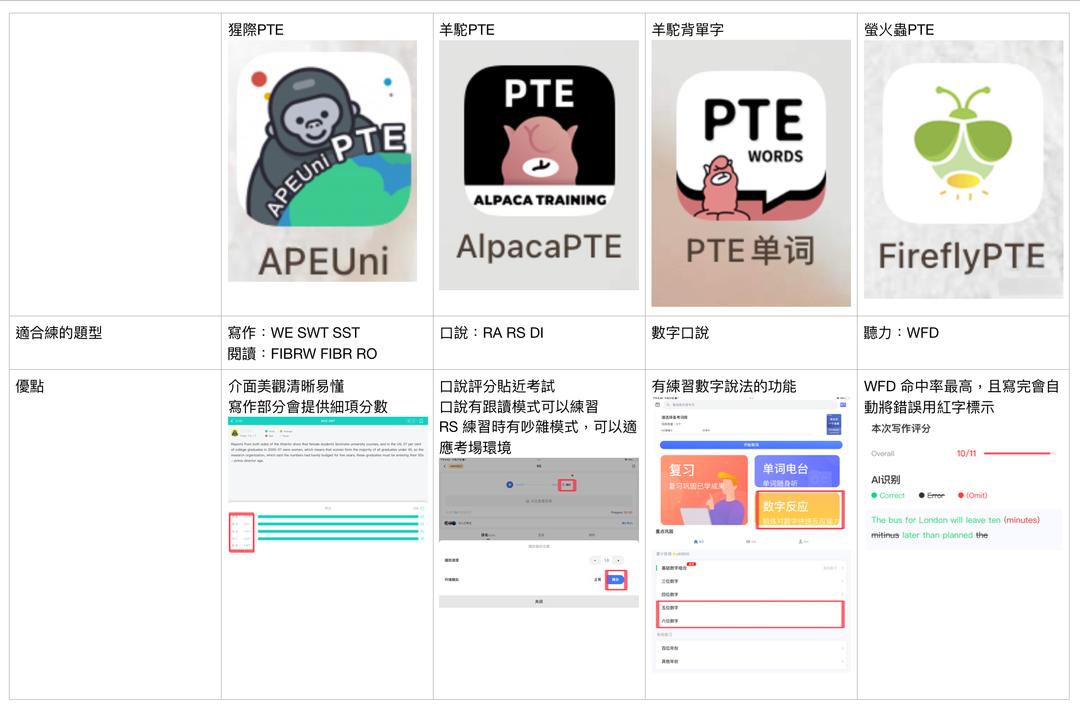
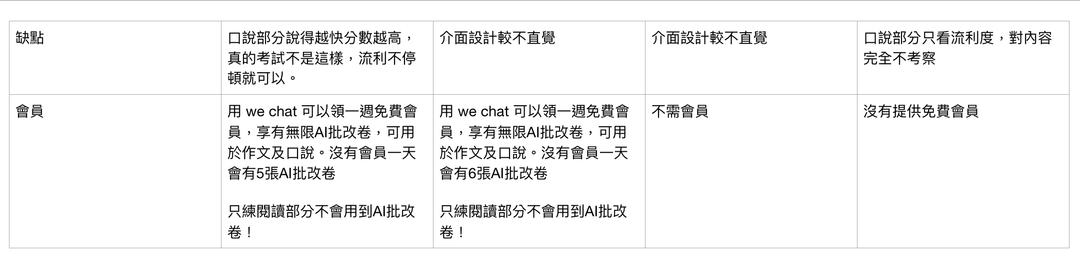
Prep apps
To download the question bank, go into the app, find “機經下載” (question downloads), follow the instructions to add the We chat account, and you'll get an Excel file
Mock tests
I'd suggest spending some time on mock tests before the real one. You'll get more familiar with how the test runs and find out what you need to work on, and waste a bit less money (⁎⁍̴̛ᴗ⁍̴̛⁎) (if you don't want to pay for a mock test, you can find videos online of other people taking them to get familiar with the interface)
多墨PTE: web version only, but many people find it pretty accurate. You need a membership to use it, and you can get one free through we chat.
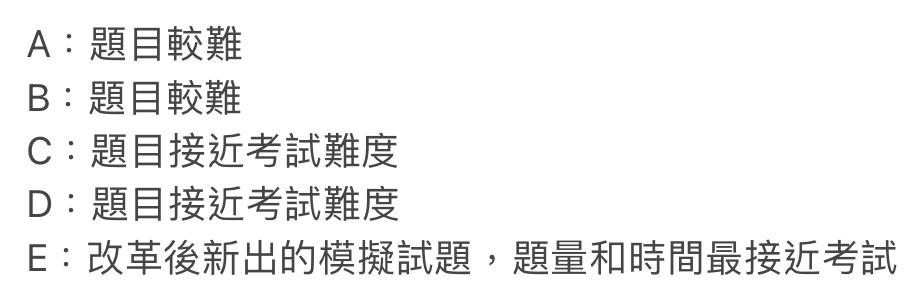
Official mock tests: there are five, A through E, and people usually recommend doing C, D and E. Each costs $35.99 on the official website ( about TWD 1100). Your real score is usually a little higher, because these don't include question-bank questions, and in the real test you'll probably hit a few~
Next time I'll share the other test-day details~
-Carnivorous Lamb🐑

愛麗絲會夢遊
Dec 31, 2023
想起被PTE支配的恐懼🫠🫠🫠