Translated by OfferLand from the original Traditional Chinese post. View original

Fu-Syuan Hsieh
Updated Aug 26, 2023
[2023 Update] Your First Must-Dos After Landing in Canada as a Student, Step by Step | Transit Card + Phone Number + SIN + Bank Card

Video version, a vlog that walks you through it for real: https://youtu.be/8UOg9jljLf0
This post applies to most of Canada, but it focuses on BC because I live in Vancouver
When international students first arrive in Canada, many of them make a list of all the important things they need to do. For example, BC has a perk for Taiwanese people that lets you exchange your Republic of China driver's license directly for a Canadian Level 7 license, so people rush to do that, or rush to get insurance and so on.
Those things really are important. I was the same when I first got to Canada, but as soon as I stepped out the door of my rental to go get everything done, I realized I had no idea how to get anywhere!! I didn't know how much the bus cost or where to buy a SkyTrain card, and so on. So I decided to write this post and walk you step by step through all the cards you have to get when you first arrive in Canada :)
Do them in this order: transit card -> phone number -> SIN -> bank account
That's because both the SIN and the bank account require a Canadian phone number, and a credit card requires your SIN.
1. Transit card
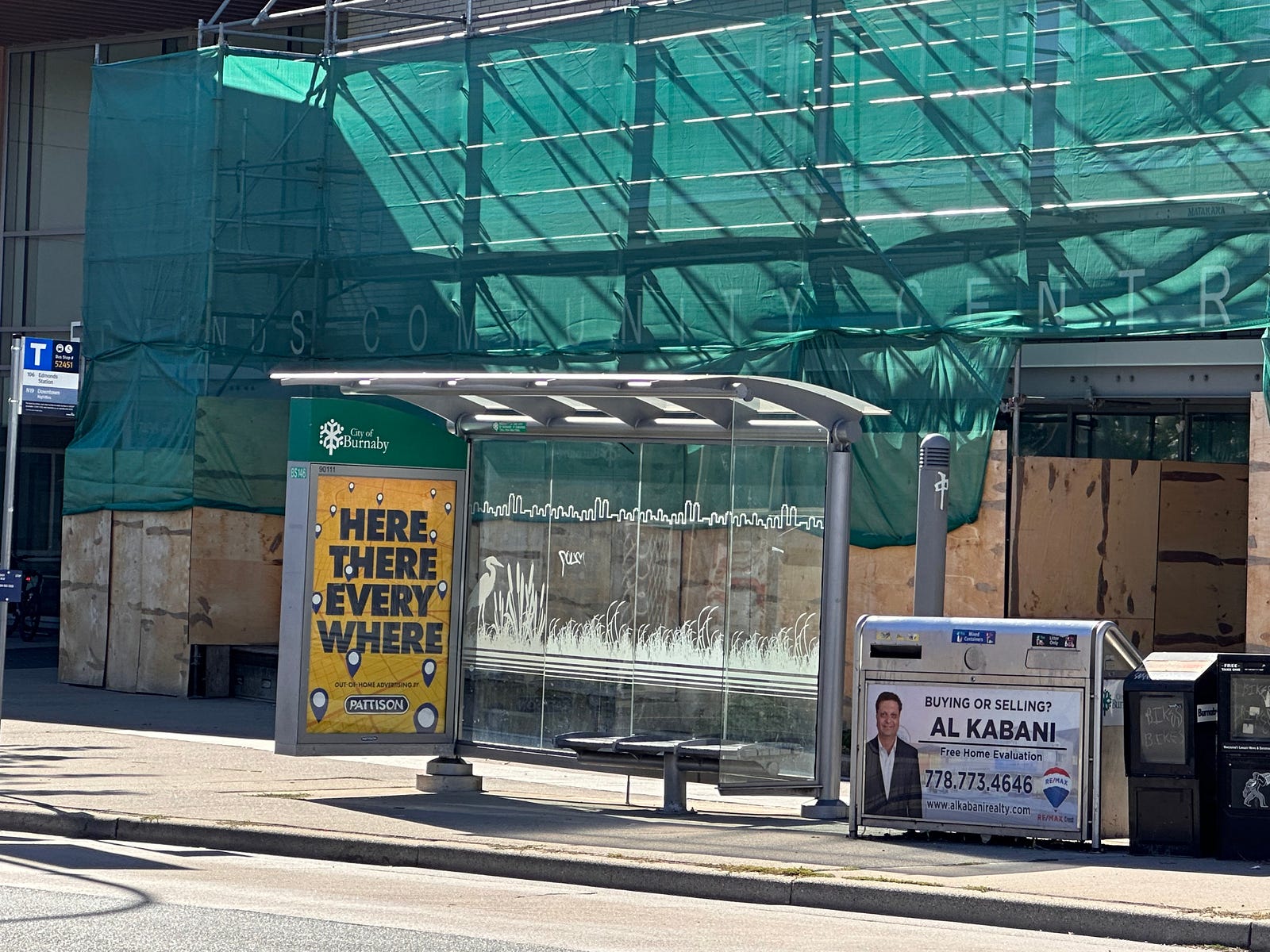
Bus stops in Vancouver are basically the same as in Taiwan
Once you move into your place in Canada, if you're lucky there's a SkyTrain station right outside your door. But students like me without much of a budget can only use public transit. In the Toronto area, check whether there's bike sharing nearby (a bit like YouBike in Taiwan) that you can rent with a phone app. In other areas like Metro Vancouver, besides the SkyTrain it's the bus.
You can usually only buy a transit card at a SkyTrain station. Luckily, you don't need change or a transit card to take the bus. Buses accept credit cards, though it costs more than using a transit card. Still, it's more convenient for your first trip, and it works out cheaper than taking an Uber.
On the bus you only tap when you get on, not when you get off, which is different from Taiwan. The SkyTrain is a lot like the MRT, though: you tap both in and out.
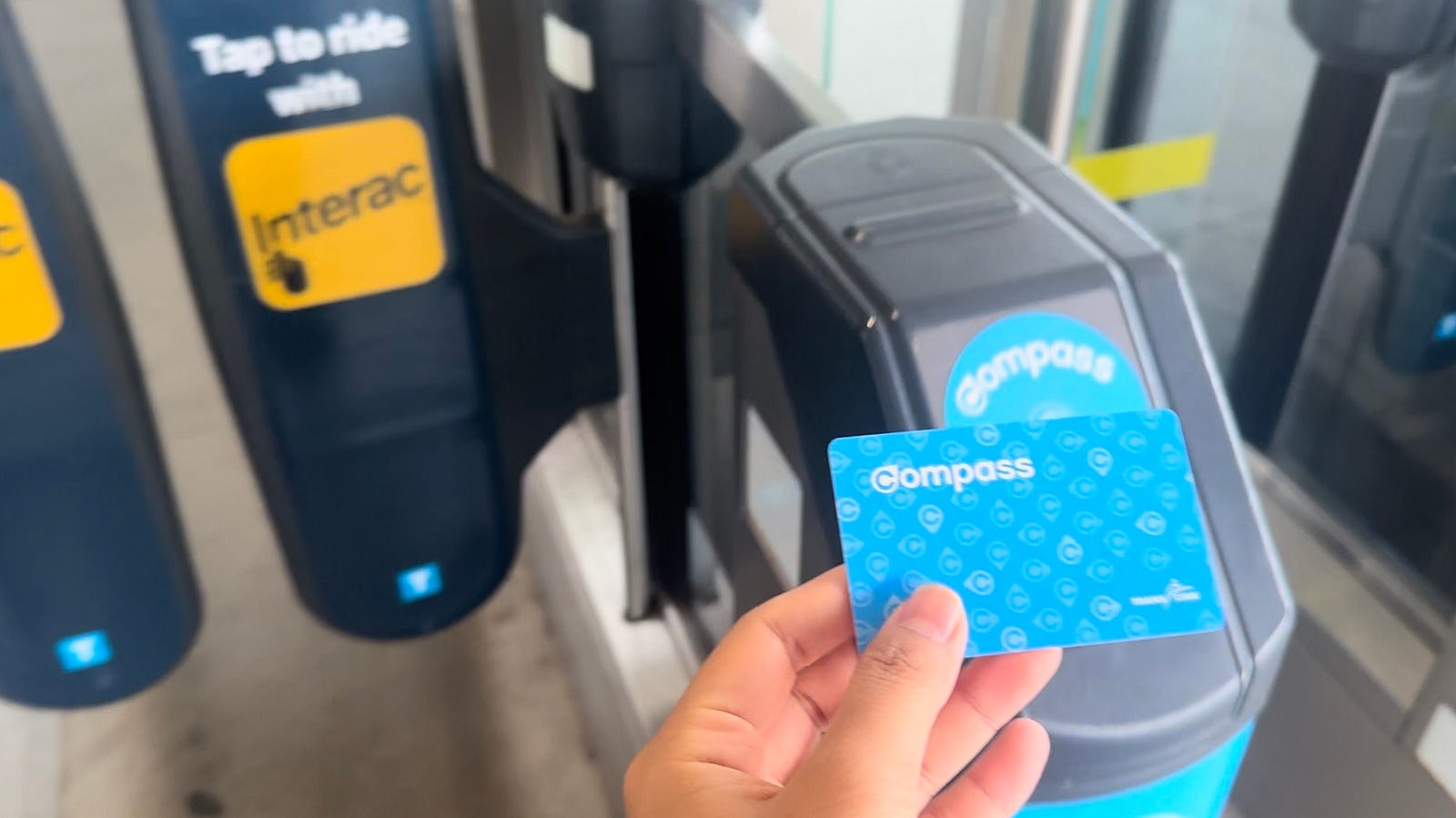
Tapping in at a SkyTrain station
Once you're at the SkyTrain station closest to home, look around for a ticket machine like the one in the photo below:
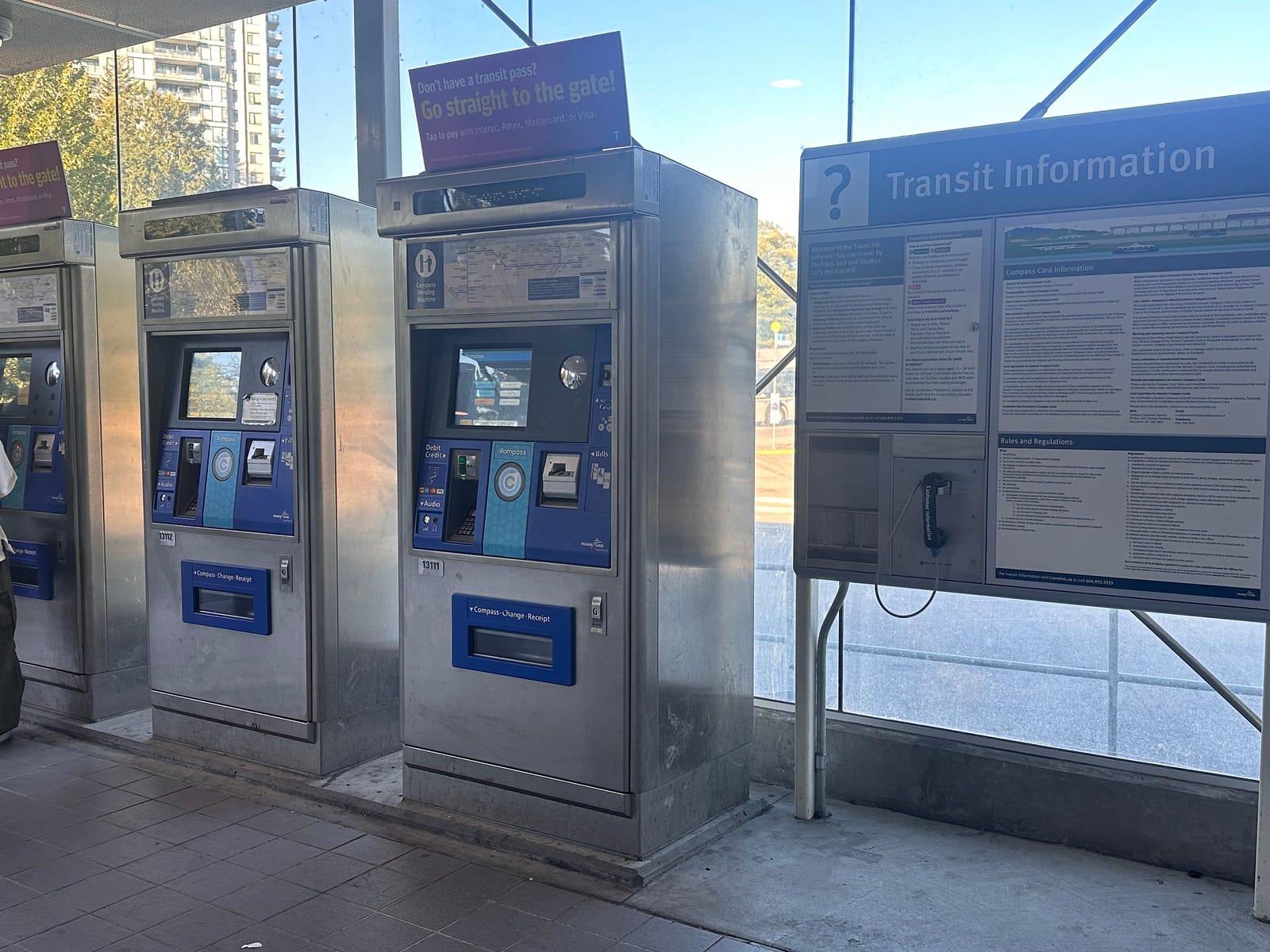
Compass Card vending machine
How to use the Compass Card vending machine:
When you start, you'll see a lot of options. If you're not used to reading English yet, you can pick a language you can read from the row of white buttons at the bottom. Vancouver thoughtfully offers Chinese.
Since we've just arrived and don't have a Compass Card yet, choose "Buy New Compass Card" in the top left
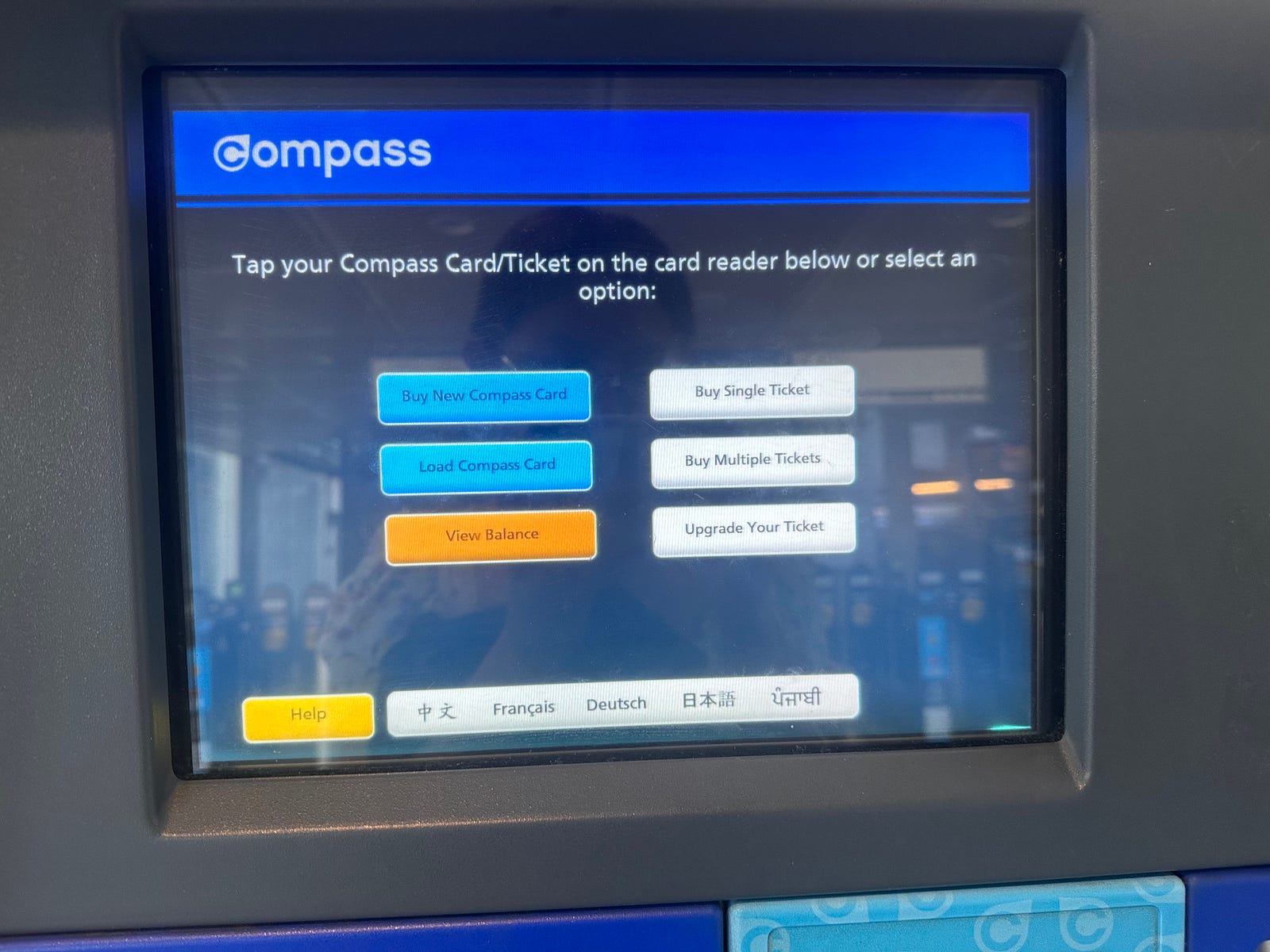
2. Students usually arrive about a month early, so I recommend getting a Monthly Pass. Even after the Monthly Pass runs out, you can top it up. Vancouver schools usually include the U-Pass fee in tuition, and you can register the Monthly Pass card you bought and keep using it, which is really convenient.
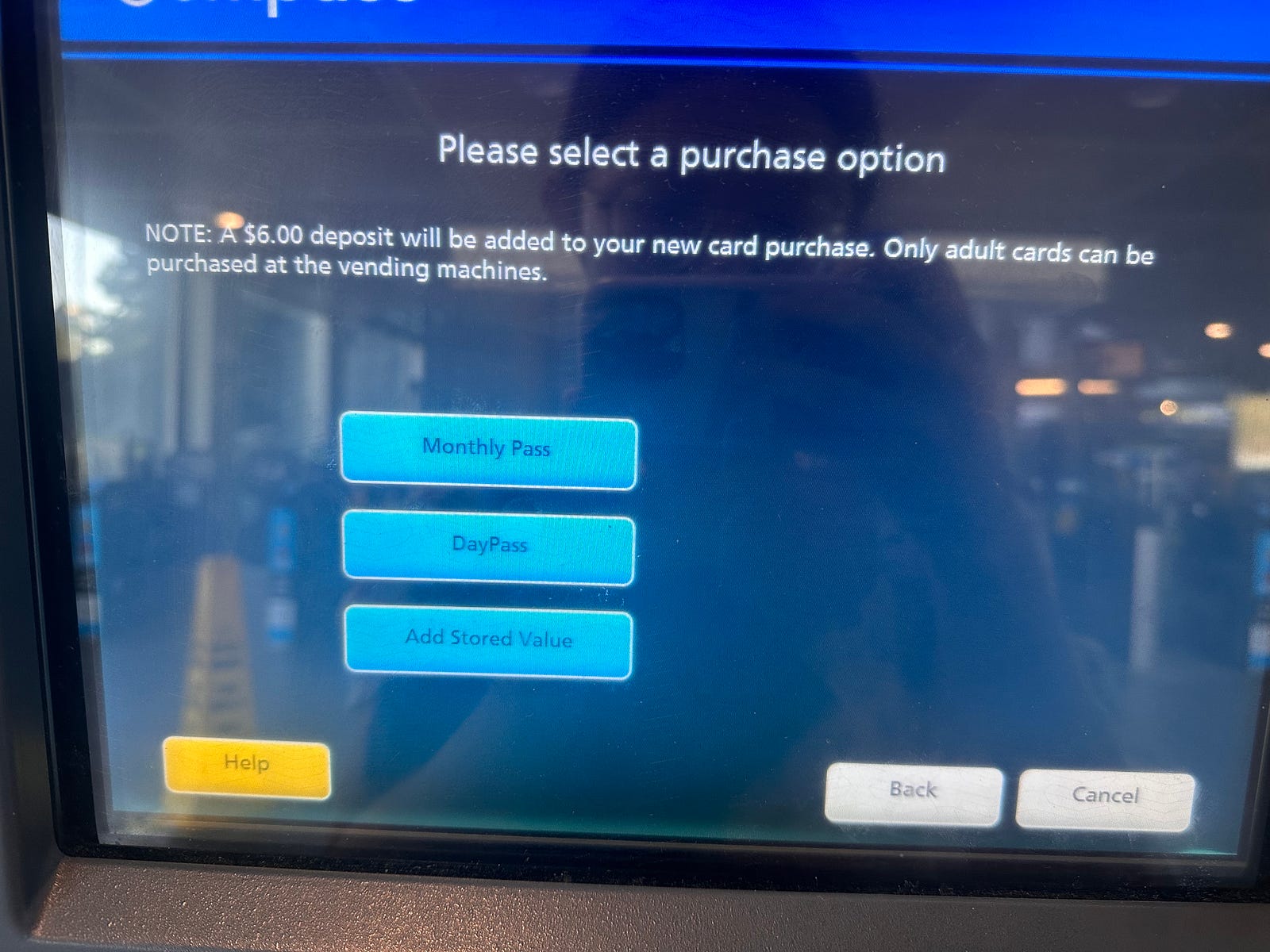
3. In the third step it asks you to choose zones, a bit like how some buses in Taipei and New Taipei charge by section. In Vancouver, every bus counts as one zone, but the SkyTrain is split into zones. Of course, if you have the budget, you can buy 3 zones and go anywhere. I personally recommend 2 zones. For my errands and meals I basically never go beyond 2 zones, but it depends on your own needs.
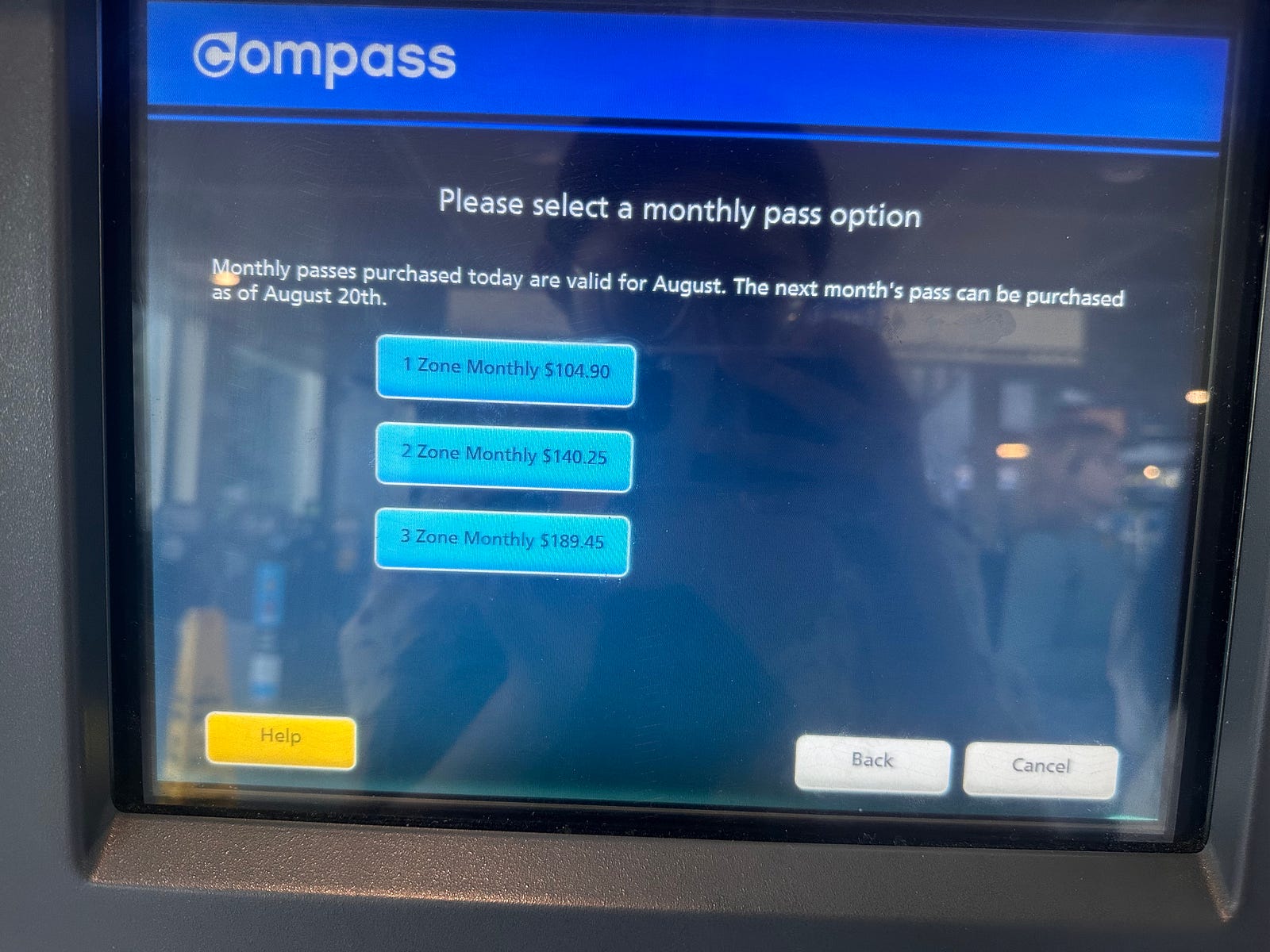
How do you know how many zones to choose? There's usually a SkyTrain map above or next to the machine, and you can go by that. A fun thing about Vancouver is that the Compass Card also works on the SeaBus (a ferry). For Taiwanese people it's hard to imagine taking a ferry to work every day.
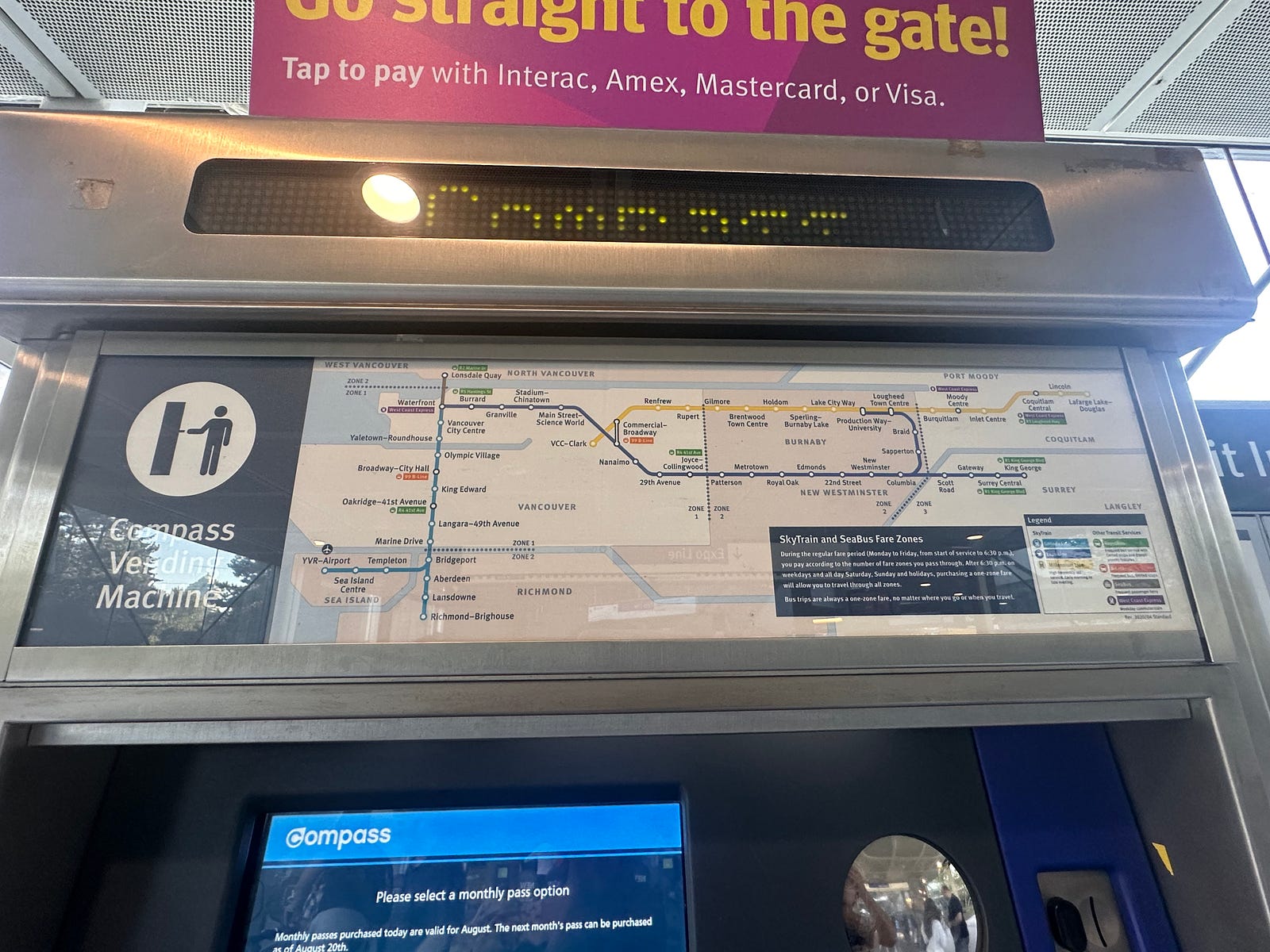
SkyTrain route/zone map
2. Phone number
Getting a phone number is easy as long as you have your documents ready. You'll need:
ID (for international students this is usually your passport, unless you have Canadian ID such as a driver's license)
Study permit
Your address (this can all be changed later, so it's fine if you don't have a long-term address yet)
Some of the better-known carriers in Canada:
The first tier, the Big Three, generally have the best coverage, but the downside is that they're relatively expensive, so students usually go with the second tier. Most of the students I know use Fido. Until 2023/7 there was a referral program where the referrer and the person referred each got a $100 CAD data quota, but sadly it's been canceled, maybe because too many people were using it (sob
Still, lots of people use Fido because it has a lot of Chinese-speaking customer service staff, which is really convenient for native Chinese speakers like us.
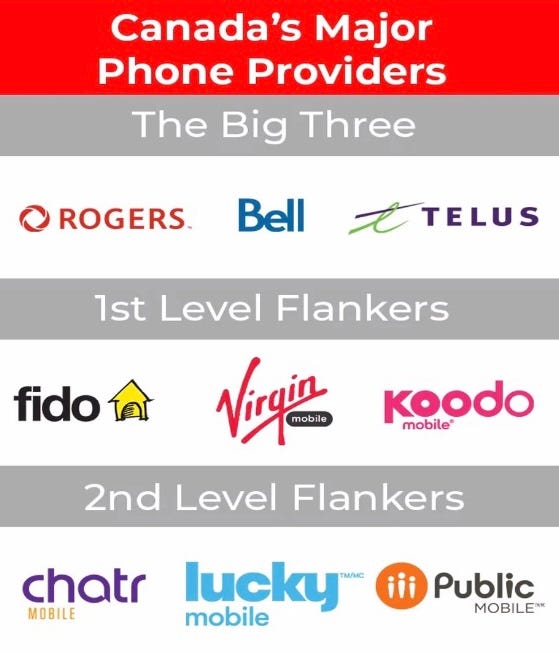
Carrier tiers (source: IDP)
Most malls have carrier kiosks. Bring your documents there and someone will set you up. A big difference between Canada and Taiwan is that texts and calls here are basically free, but data is very expensive. In Taiwan, unlimited data is cheap, but calls and texts are expensive. That's why most people here get in touch by phone or text, unlike in Taiwan where everyone uses apps.
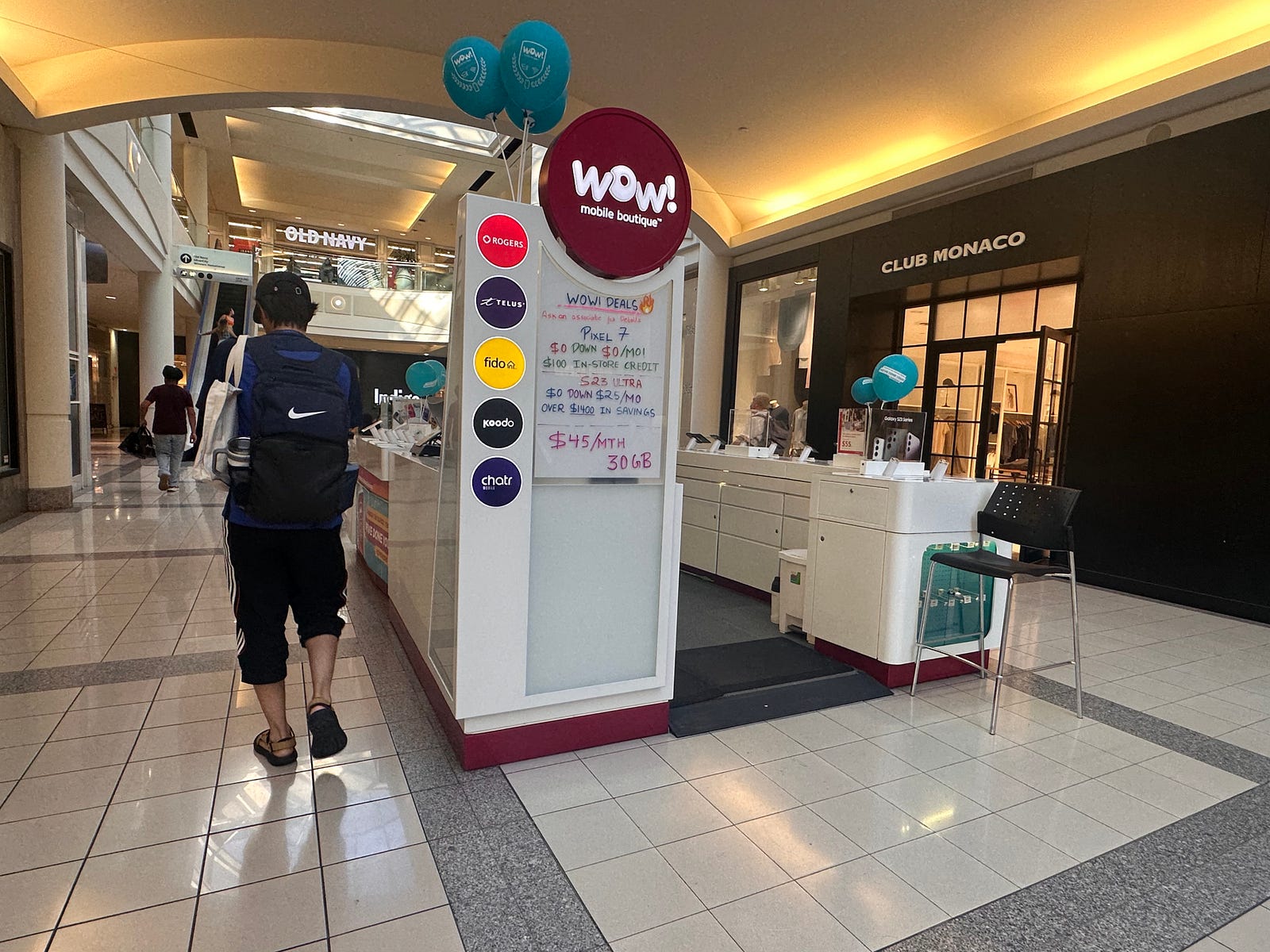
Many students wonder whether to just buy a prepaid plan or sign up for a monthly plan. Prepaid is simpler: once you buy it, you top it up online every month to keep using it.
A monthly plan charges an activation fee up front (very expensive), plus other fees, and there's tax every month. The upside is that paying through a linked bank account or credit card builds your credit score, which really helps students who want to stay long term. If you're only here for a year and going back to Taiwan after your studies, a prepaid plan is enough.
3. SIN
The "work card" is really just your Social Security Number. It's actually a piece of paper printed with your social insurance number. With it you can work legally (of course you first need to make sure your visa allows you to work in Canada). If your status changes (e.g. switching from a study permit to a work permit after graduation), you'll need to update it.
Besides working legally, students can also use it to file for a tax refund in February, among other things. (I'll write a separate post about it when I do mine)
But since we're all getting it for the first time today, you basically just bring your documents to Service Canada. You can also apply online or by mail, but I still encourage everyone to go in person: you get your SIN on the spot and can check yourself that every step is done right.
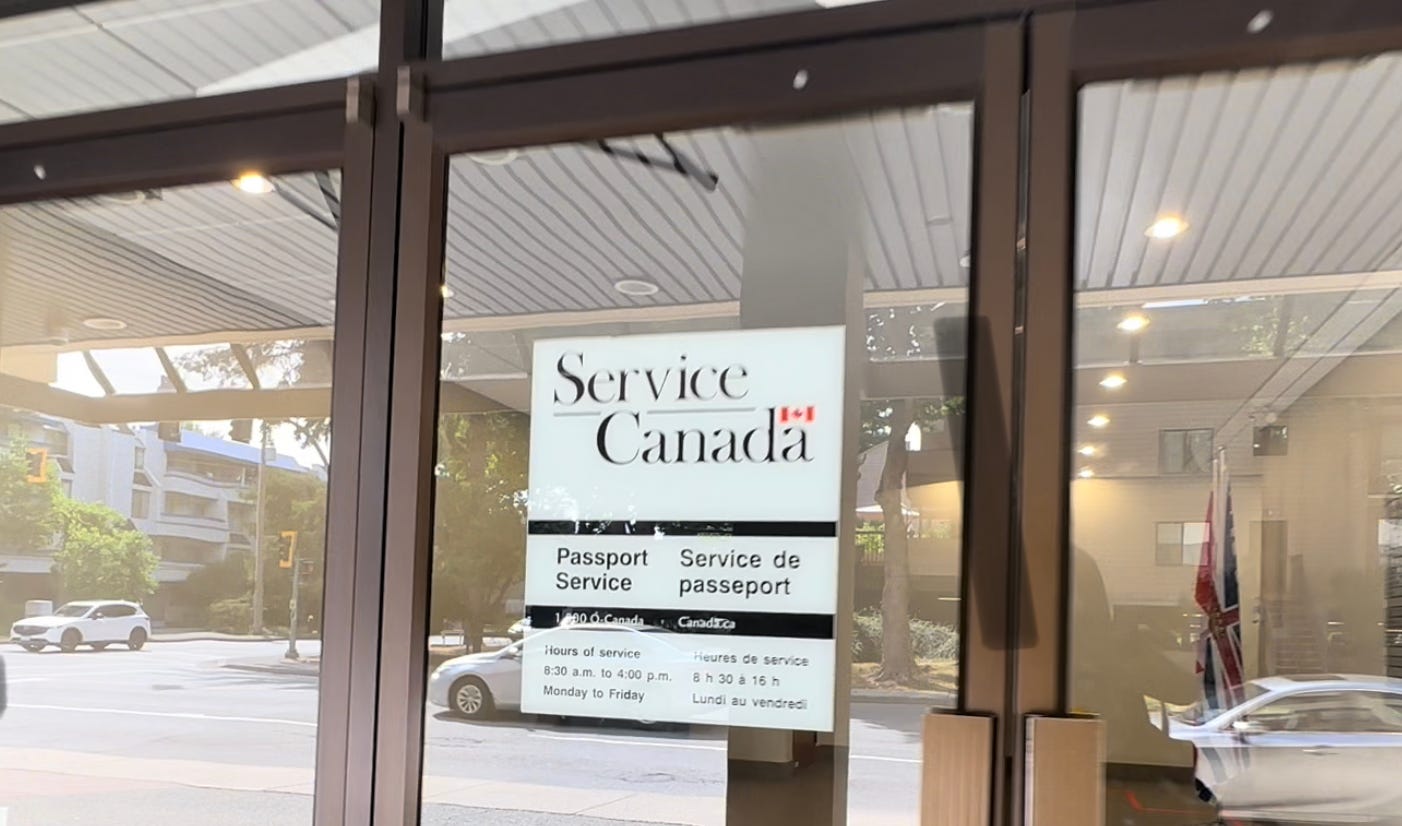
Service Canada in Richmond
To get your SIN, you don't need an appointment with Service Canada. Just walk in.
Documents to bring:
ID (passport)
Study permit/work permit
Canadian phone number
Canadian address
Your parents' names in English spelling
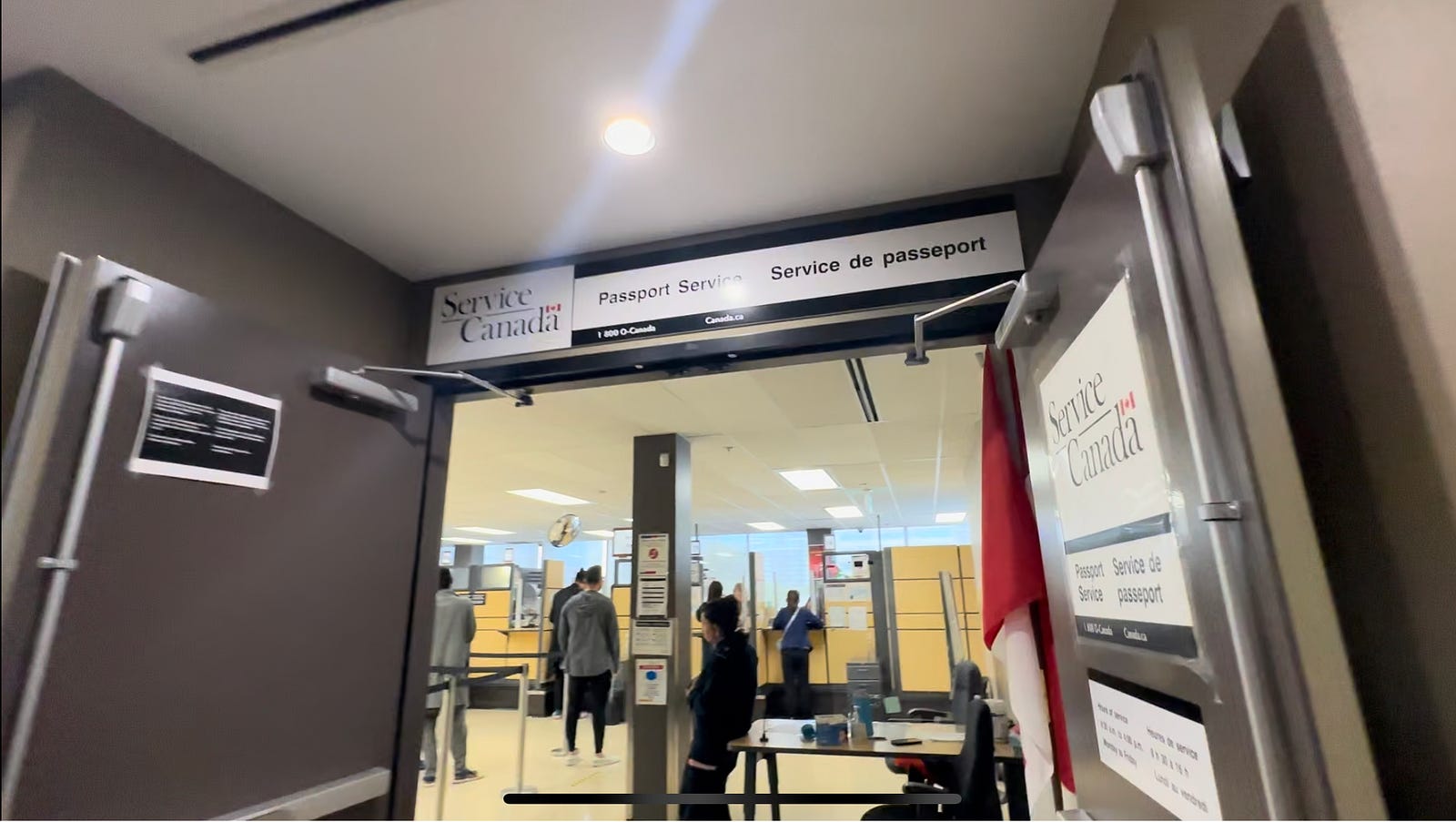
When you go in, first tell the staff at the door you're there for a SIN. They'll give you a number ticket and have you line up to get the form from an officer. Keep the ticket: you'll need it again after you fill in the form.
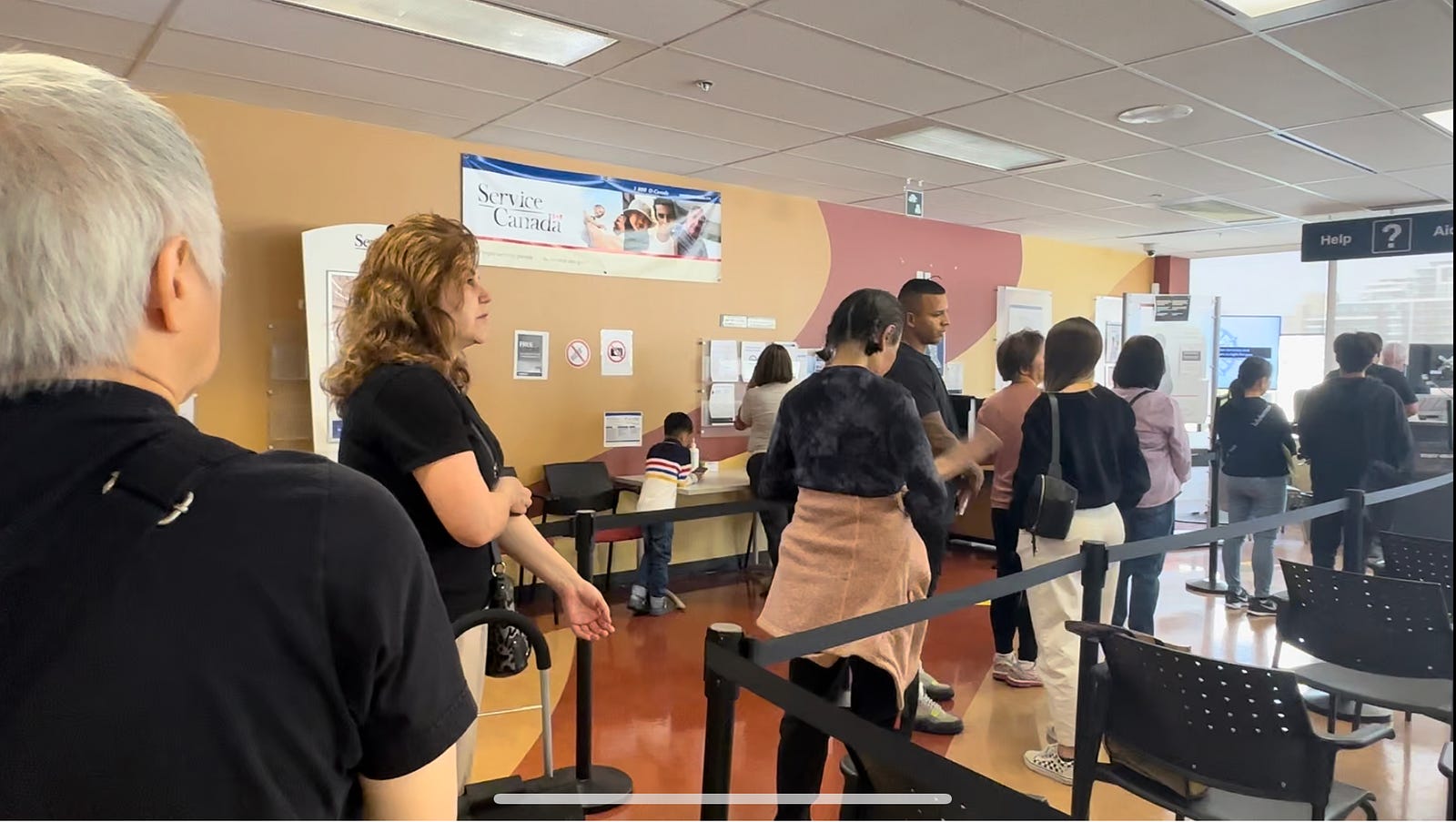
It was pretty crowded the day I went. Friends told me that people usually start lining up before Service Canada opens at 8:30 a.m. Once you've waited in line and told the officer why you're there, they'll give you a slip to fill in with your details, including your name, address, email, phone number and your parents' names in English spelling.
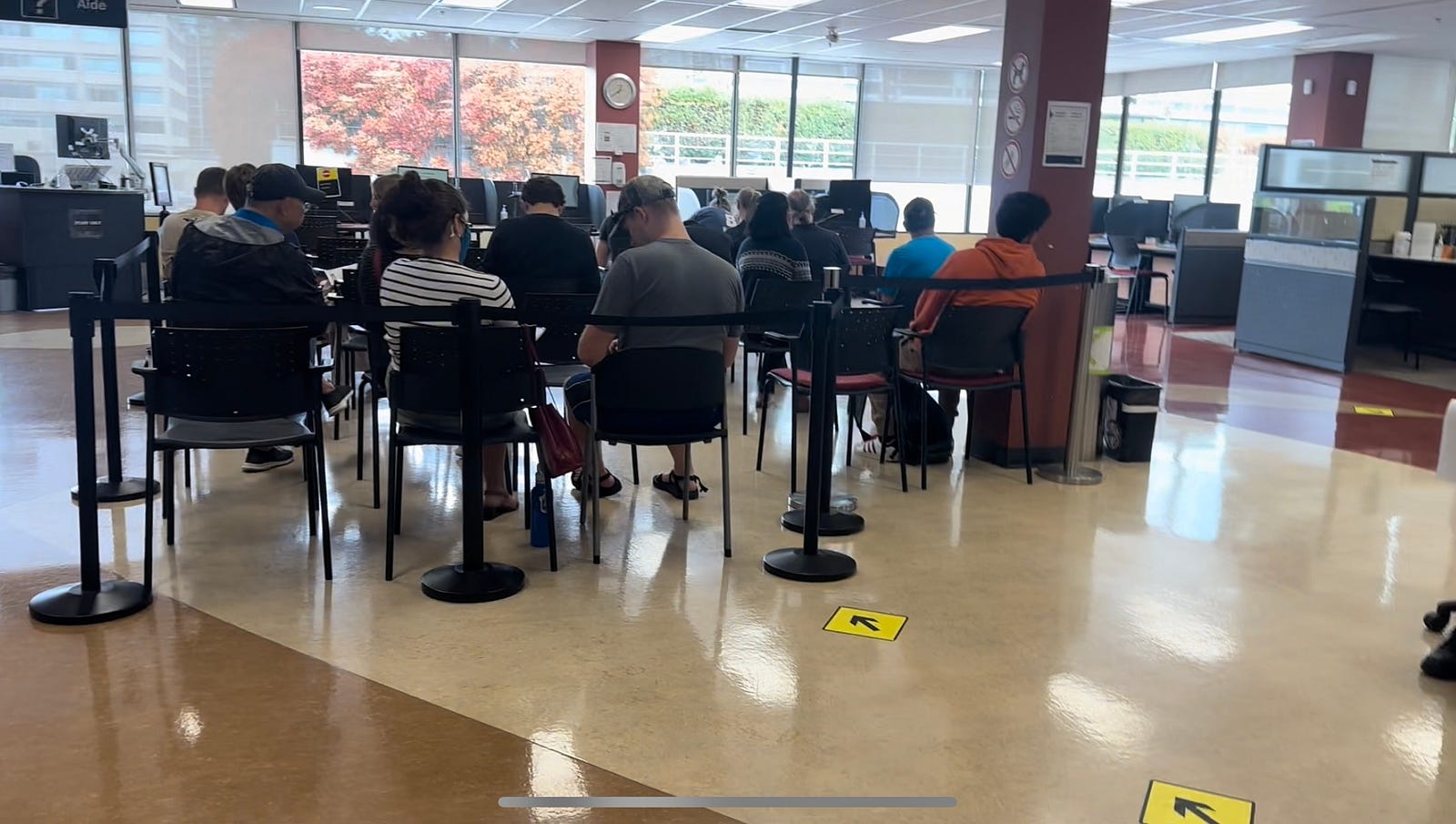
Then comes the long wait in the waiting area with everyone else until someone in the small office next door calls your number. I arrived in the afternoon and waited over an hour. If you're also coming during the peak study-abroad season and don't want to wait too long, I suggest getting there early.
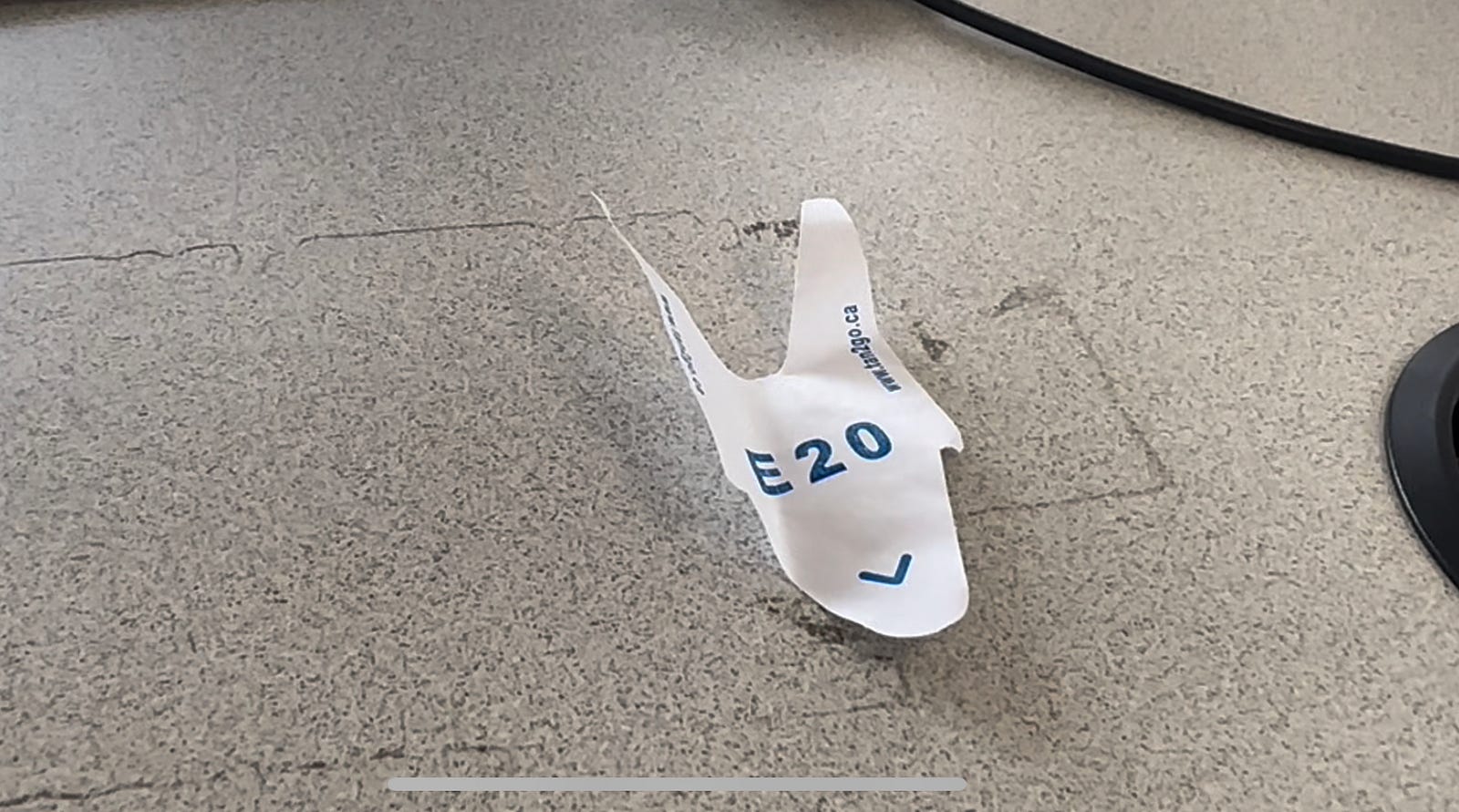
The number I got was E20
Once you're done, you get your SIN the same day and can start looking for work!
4. Bank account
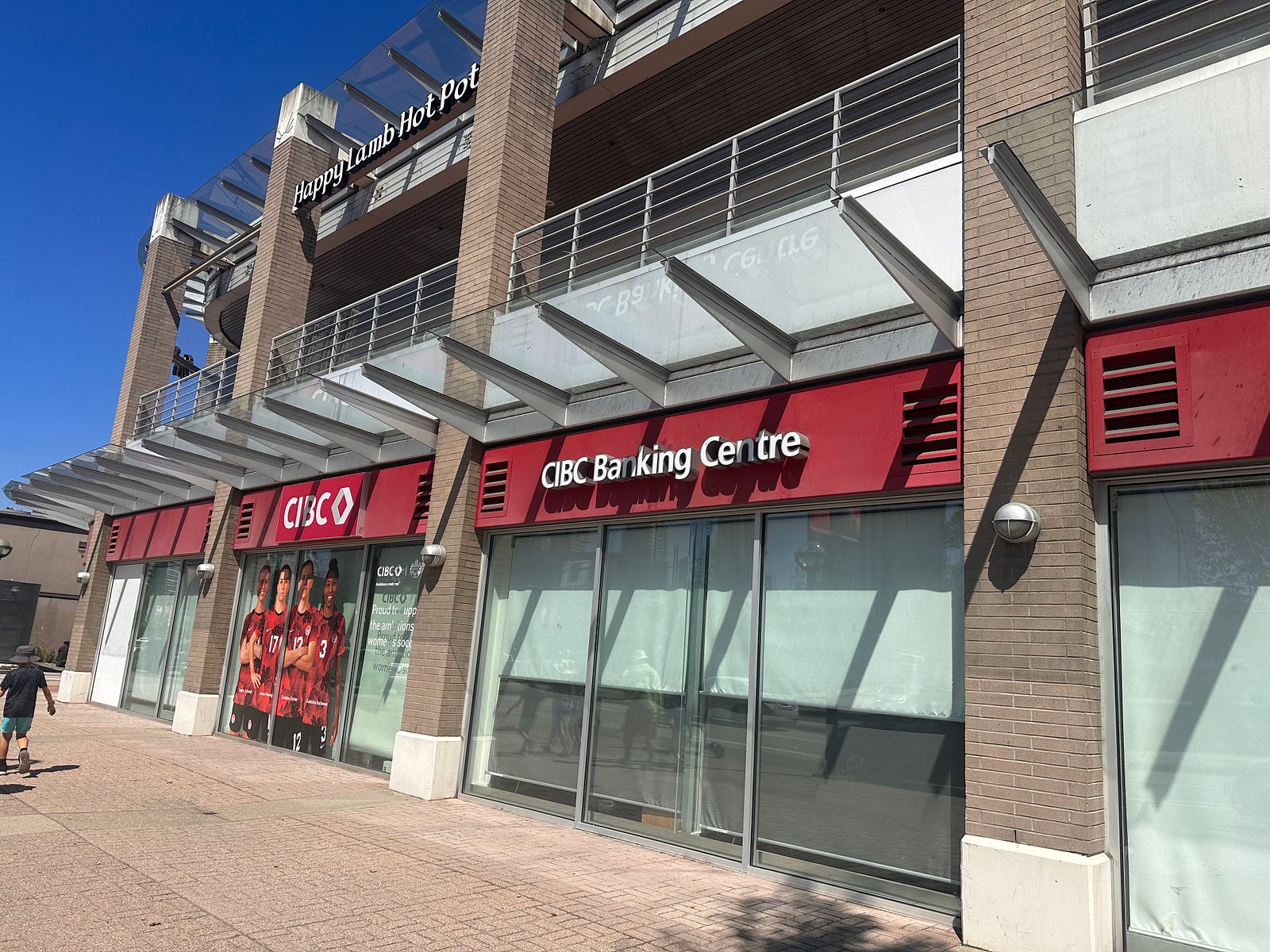
CIBC branch at MetroTown
Once you have your phone number and SIN, you can go open a bank account. I chose CIBC, but there are lots of other banks Canadians commonly use, like RBC, TD and Scotia.
It's best to make an appointment in advance before going to the bank. Some banks let you walk in, but during the peak study-abroad season that may not work, so to be safe I suggest booking first.
Documents to bring:
ID (passport)
Study permit/work permit
SIN
Interestingly, Vancouver also has CTBC Bank and First Bank, which are in Taiwan too. But when I asked the staff there, I learned that CTBC accounts in Canada and in Taiwan can't be linked, so even if you open a CTBC account here, you can't transfer money directly from your Taiwan CTBC account into your Canadian CTBC account. It's about the same as opening a new account at any local bank, so I suggest just going with the bank you think suits you best.
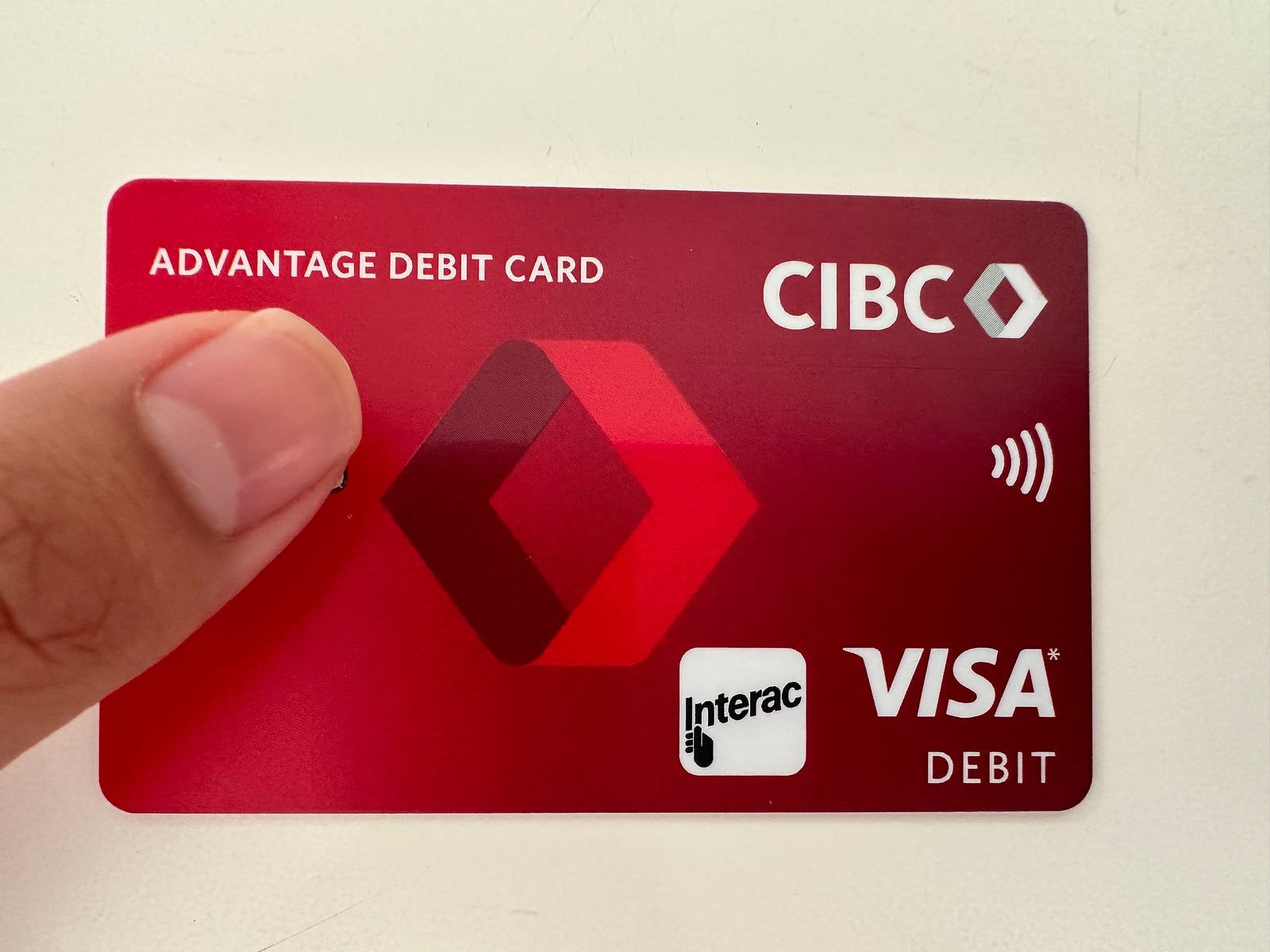
Personally, I think the perks for student accounts are pretty much the same everywhere, so you can compare credit card offers instead. I suggest students who want to stay in Canada long term get a credit card, for the same reason as paying your phone bill monthly by credit card: to build your credit score, which helps if you're staying in Canada for the long haul.
Alright, congrats on getting through the first few things you have to do when you arrive in Canada! After this you can take your time with other, less urgent things like health insurance and exchanging your driver's license. I'll keep posting more of the information you're looking for. If you like step-by-step guides with photos like this one, feel free to follow me. If there's anything you'd like to see, you can also contact me, and I'll do my best to write the posts you want to read!

NoahKuo
Aug 27, 2023
好詳細的加拿大當地心得… 又加深了我想去加拿大唸書的決心!!!
Fu-Syuan Hsieh
Sep 10, 2023
來吧~可以來找我玩~
Zoe Tsai
Aug 30, 2023
影片版配著文字看🥹 太幸福了哈哈哈 求分享更多~~
Fu-Syuan Hsieh
Sep 10, 2023
會努力產出更多的 🥹 希望未來還會有時間