Translated by OfferLand from the original Traditional Chinese post. View original

小歐特派員
Updated Dec 6, 2024
HCI/UX Master's | How an Advertising Graduate Prepared a Cross-Disciplinary Application
About Me
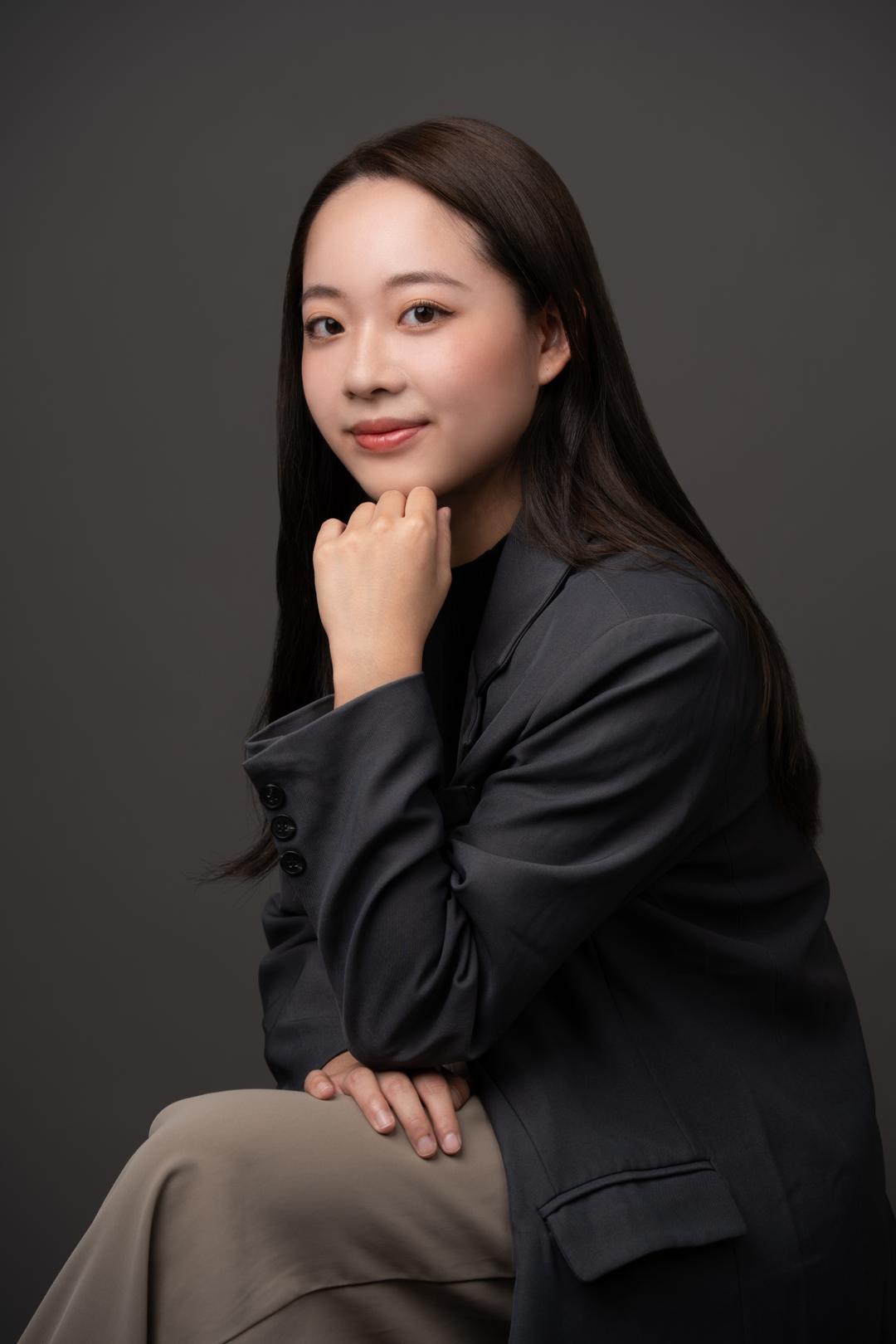
Hi! I'm Jolin. I graduated from the Department of Advertising at National Chengchi University (Communication Design program), then spent a year as a Brand Marketing Specialist at a CRM SaaS startup and a year as a PM at an AR/VR interactive tech company. Through work I discovered my interest in UX and wanted to switch careers to become a UX Designer, which is how I started applying! In the end, thanks to a 32K scholarship and because I liked SCAD's curriculum and resources, I decided to attend SCAD for an MFA in UX Design.
1. Why I Applied Abroad
Why study for a master's abroad?
When did you decide to apply to M.S. Human-Computer Interaction or Digital Media programs?
I mainly applied to HCI/DM/UX programs. After graduating, I worked in brand marketing in the tech industry and often collaborated with designers and engineers. While brainstorming app campaigns or new features, I realized I was really interested in UX, and a master's would give me a more well-rounded education, so I decided to apply to related master's programs!
Most of your earlier experience was in marketing. What led you into AR?
When I decided to apply for a UX master's, I knew I lacked UX experience, so I wanted a more relevant job to build it, and I decided to switch to a PM role. I was already pretty interested in AR/VR technology and thought it was the future, so when I changed jobs I specifically looked for AR/VR tech companies.
As an advertising student, what made you decide to apply to HCI/UX master's programs?
I think planning a marketing campaign can also be explained through UX. UX focuses on users and marketing focuses on the TA, but I think the two ways of thinking are pretty similar. The thinking I was trained in also helped with applying to UX to some extent; it isn't completely unrelated. As for why I decided to apply, same answer as the previous question: I discovered my interest in UX at work, so I decided to apply!
2. Preparing My Application
Preparation
How did you start preparing your HCI/Digital Media application materials (e.g. TOEFL, CV, SoP)? Could you share your timeline?
For the timeline, see the slides from my talk: https://www.canva.com/design/DAGM-N11oqs/cP4JWoHl0fcvCZIIlqFvmA/edit?utm_content=DAGM-N11oqs&utm_campaign=designshare&utm_medium=link2&utm_source=sharebutton
Which experiences (such as your AR/VR project work at ARPlanet) do you think helped most with applying to HCI/Digital Media master's programs?
The most helpful were the projects I worked on at ARPlanet. First, they actually launched, so they came with some quantifiable data. Second, at ARPlanet I did a fair amount of UX-related work, such as User Flows and Storyboards. The second most helpful thing, I think, was taking a Coursera online course, "Google UX Design Certificate". While taking it, I built a complete UX Project, which also gave me some UI work.
The Application Process
What challenges did you run into during the application process, and how did you overcome them?
The hardest part for me was language. Language may not be a big problem for most people, but I never reached the unofficial TOEFL threshold of 100, and I think that worked against me, since schools may screen you out on language scores right at the start. Although I never got the score I wanted, I want to tell anyone preparing now: get your language scores done as early as you can, or it will eat into the time you need for your other materials.
Since I had no direct UX experience, I built my portfolio from zero, and there was no way I could produce four projects at once. So in the end I also repackaged a few app marketing projects through a UX lens, turning them into pieces I could include.
Moving from advertising to HCI/Digital Media, what extra preparation did you do in terms of knowledge and skills? For example, learning to code or user research methods?
I took the Coursera online course "Google UX Design Certificate". It's a beginner course that's widely recommended in the industry. Besides getting a certificate, you complete a full UX Project you can put in your portfolio.
After applying, I took another Coursera online course, "Web Design for Everybody: Basics of Web Development & Coding". It's also a beginner course, and you finish with a web design project. I didn't have time to take it before I applied. I really recommend it to anyone with no coding background; I think having a coding background helps a lot with applications.
Could you share how you prepared your portfolio?
Since I had never worked as a UX Designer, I started by taking stock of the projects I'd been part of, such as app marketing campaigns, campaign landing page planning and streamlining digital marketing campaign workflows, and framed them with UX concepts. I also completed a project in the Google UX Design Certificate course, and the rest was the AR interaction design project I did at ARPlanet. While building my portfolio, I looked at how lots of other Designers made theirs. Besides the design, you can also see which UX design processes they include. I also recommend looking at portfolios from students currently at your dream school, so you get a better sense of what the school looks for in students. In the end, my portfolio had 4 Projects, in both a web version and a PDF version. Some schools don't accept portfolio links, so check each school's requirements in advance and prepare early.
3. How My Experience Helped My Application
How did your AR/VR project experience at ARPlanet help your HCI/Digital Media master's application?
As I said above, the projects I worked on at ARPlanet actually launched, so they came with some quantifiable data. Second, at ARPlanet I did a fair amount of UX-related work, such as User Flows and Storyboards. Also, AR/VR is the future but isn't very widespread yet, so I think a niche AR/VR topic helped my portfolio stand out from others.
About your women's health education app project: could you share how you came up with it? Why did you choose this topic?
I had already planned the direction of my SOP: my goal is to become a UX Designer in tech education. I also think health is an important issue, and I'm a woman myself, so all things considered, I chose a topic that fit my goal, current trends and something I know well.
Why did you choose the exchange program at Dongguk University in Korea? What was the biggest thing you gained from it?
Mainly, I already loved Korean culture, like K-pop and K-dramas, and I was double majoring in Korean at NCCU, so Korea was my first choice for exchange! I think the biggest thing I gained was building my independence and adaptability, because I had to do everything myself and face problems on my own, and since it wasn't my native language, there was a bit more friction.
4. Other Questions
Do people without a related background have a chance? How should they prepare?
What specific advice do you have for people who want to move into HCI/Digital Media without a related background?
If you're still in school, join related clubs or take related courses. If you've already graduated, look for online course resources or opportunities to do side projects (e.g. the FB group Taiwan UI/UX Side Project).
What do you think matters most when preparing an HCI/Digital Media master's application?
I think the most important thing is to plan your schedule well and actually stick to it. There's so much to prepare when applying that if some things get delayed, it affects everything after, and you may end up scrambling.
If you could redo college, what would you choose?
If you could choose your undergraduate major again, given your current goal of an HCI/Digital Media master's, what would you pick, and why?
Taiwanese universities currently don't really have a dedicated UX/HCI undergraduate major. If I could choose again, I think I'd pick a more related major or program. For example, NCCU has a Digital Content program with some UX-related courses. If I had taken them, I could have gotten into the field earlier and built up more portfolio work and experience.
The OfferLand Mantou program
How did you hear about the OfferLand Mantou program? Why did you want to join?
I came across it while scrolling IG and thought it was incredibly generous that it was free... Also, since I didn't use a study-abroad agency, I felt it would really help to have a Mentor who had applied to related programs.
How do you think the Mantou program helped you during the application process? Why?
My Mentor gave me lots of advice, on things like scheduling and recommended programs. They were also very willing to spend time on coffee chats with us and gave me feedback on my CV and SOP. The advice was extremely helpful to me!
Schools in this post
See each school's applicant numbers, admit rates and past applicants' results