Translated by OfferLand from the original Traditional Chinese post. View original

小歐特派員
Updated Aug 11, 2024
TOEFL vs. IELTS: Comparing Speaking & Writing - 珍奶闆娘 (Bubble Tea Boss Lady)
This article is republished with permission from 珍奶闆娘英文|多益 雅思 英檢學習 (Bubble Tea Boss Lady English | TOEIC, IELTS, GEPT). You're welcome to visit her blog for more great articles!
Speaking is a major part of both the TOEFL and the IELTS, and the two differ in format and requirements. Here's how the speaking sections of the two tests compare
TOEFL Speaking
Suits students who are good at integrating information
You speak into a computer, and the tasks focus on synthesizing information and responding
The tasks test more than speaking: they also involve listening to conversations and lectures, reading charts, watching videos and so on, and you have to combine all of it into your own response
Depending on the task, you get anywhere from 15 to 45 seconds to read and prepare your response
IELTS Speaking
Suits students who can expand on a topic and have their own views on it
A live one-on-one conversation where you interact directly with the examiner
The examiner builds on your answers and asks deeper follow-up questions, testing how well you think on your feet, give personal opinions and share your experiences
IELTS Speaking Part 2 gives you 1 minute to prepare; the other parts have no prep time
Summary
In TOEFL Speaking, students need to be able to pull together and analyze information from several sources,
while IELTS puts more weight on quick thinking and keeping a conversation going.
Whichever test you take, mastering sentence patterns for summarizing and generalizing is key to success.
TOEFL vs. IELTS: Comparing the Writing Sections
Writing is an important part of both the TOEFL and the IELTS,
and the two differ in task types and requirements.
Here's how the writing sections of the two tests compare, to help you figure out how to prepare:
TOEFL
Task 1, Integrated Writing: about 150-225 words
Task 2, Academic Discussion: 100+ words
The Academic Discussion task usually mirrors interaction in a modern online class
IELTS
Task 1: 150+ words describing a chart, map, process diagram or similar; you may not include your own opinions
Task 2: 250+ words giving your own view on a topic, mostly weighing advantages and disadvantages
Summary
TOEFL Writing covers your ability to integrate different kinds of information and how you perform in an academic discussion,
while IELTS focuses on how accurately you describe charts and how well you argue a point of view.
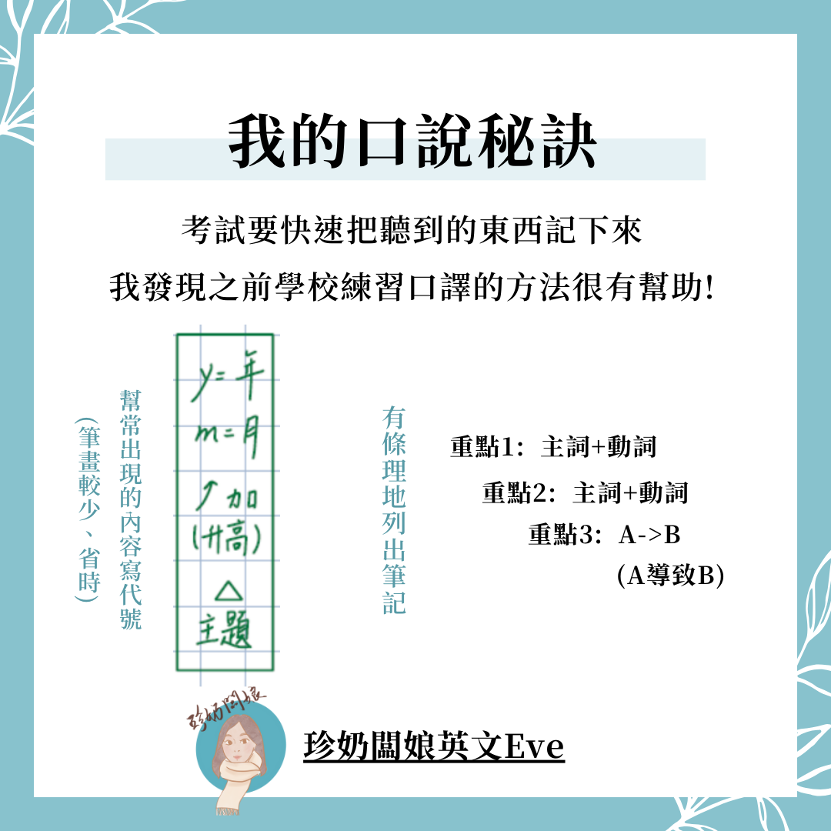
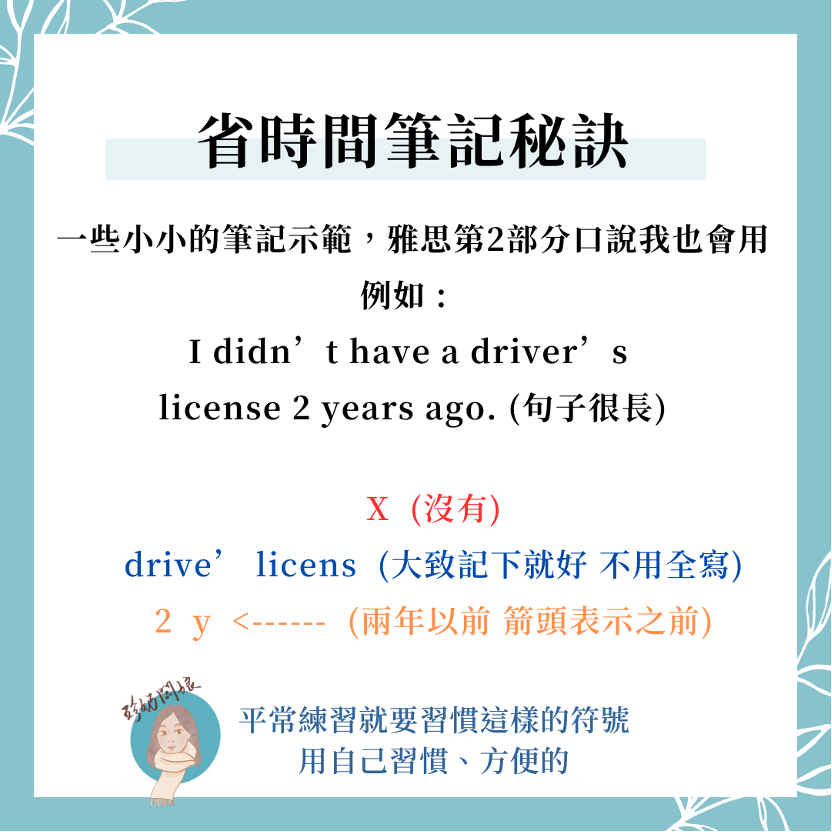
When you prepare for speaking and writing,
a few strategies can help you score higher on the test. Here are some practical tips:
Study the structure and strategies of high-scoring responses
Start by looking at plenty of high-scoring samples
and understanding their structure and how they answer the question.
This helps you use similar techniques in your own responses.
Listen to interviews and talks, and imitate their sentence patterns and vocabulary
Make a habit of listening to English interviews and talks and picking up their sentence patterns and vocabulary.
This enriches your language and adds variety to your speaking and writing.
Improve your spelling and grammar accuracy
Correct spelling and grammar are a basic requirement for a high score.
Practicing to improve both can greatly increase your chances of scoring well.
Use varied vocabulary and complex sentences flexibly
In writing and speaking, try to use a richer vocabulary
and make flexible use of different tenses and complex sentence structures.
This makes what you say deeper and more varied.
Learn synonyms and paraphrasing
Mastering synonyms and paraphrasing adds variety to your word choice
and keeps you from repeating the same words, which really helps raise your score.