Translated by OfferLand from the original Traditional Chinese post. View original

Ariel 陳佑青
Updated Aug 24, 2023
Applying to US Grad School on Your Own: A Step-by-Step Guide, Plus How I Hit IELTS 8 in One Summer!
Hi everyone, I'm Ariel Chen (陳佑青)! This post is reposted from an article I shared on Medium about applying to US graduate programs for Fall 2022. Over the past year of preparing I benefited from a lot of online resources and connections, so I edited a DIY study-abroad tutorial video to give something back, hoping to help people who, like me back then, have a dream but feel lost ✨ Besides what's in the video, this post fills in more details for your reference.
Video links
IGTV: https://www.instagram.com/tv/Cd0kADJDkWo/?hl=zh-tw
YouTube: https://www.youtube.com/watch?v=033NMR3qoIo
Outline
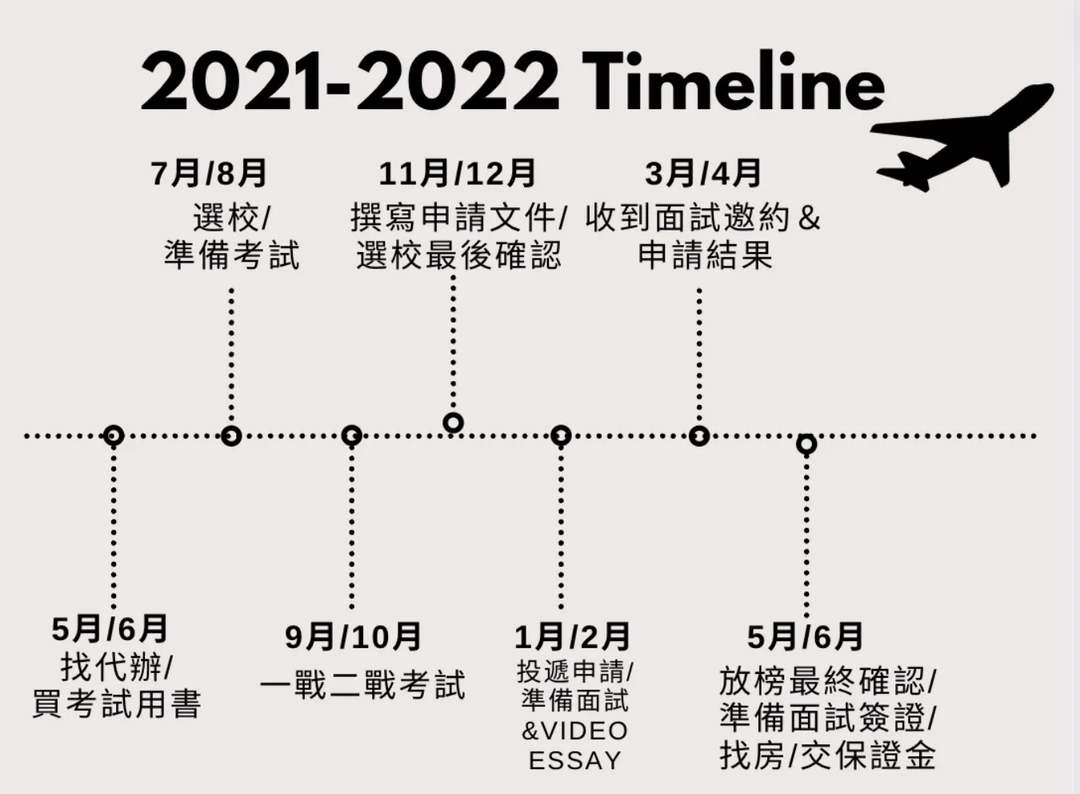
This post follows a "timeline" combined with "questions from readers" to go through what I did and where I was at in each period, as follows:
Besides grades, what preparation or experience do you need during your four years of college?
First, a quick look at my background: I graduated from Taipei Municipal Zhongshan Girls High School, got into the College of Education at National Tsing Hua University, and have now been admitted to the business school at the University of Rochester (Marketing Analytics). Because I'm interested in communications and media, I kept taking courses in my university's information and communication media program, and in my spare time I interned and learned in the industry, including as a KKBOX campus ambassador, a digital editor at ETtoday, and an intern at POP Radio. Experience related to my own major includes volunteering to teach English to Syrian refugees with RNT, being a seed teacher for the International STEAM Education Association, and lecturing for a General Education Center project. That last one, the General Education Center project lecturer role, is what I see as a great example of combining my major, education, with my interest, media.
So, grades aside, I suggest you try lots of things during college and aim for cross-disciplinary, varied learning and application, like how I often joke that I'm a "multi-purpose tool". Also, if you're a college freshman right now, here are four suggestions:
Have fun, but keep your GPA in mind
Download the professional networking app LinkedIn and connect and exchange ideas with talented people in different fields. It'll be a plus later, whether you're sending out résumés or applying to schools
My LinkedIn: https://www.linkedin.com/in/ariel-chen-21baa01b5/ , feel free to take a look
3. Make good use of language courses offered by your university's language center. It's one of the ways I kept in touch with English, and it's affordable
4. Build experience through extracurricular activities or by serving as an officer in a student club, so that when you write your résumé you're not just listing job titles but can describe your real contribution and value to the team, including showing leadership and communication skills
# May/June: finding a study-abroad agency & buying test prep books
Should you use a study-abroad agency?
I used one myself. Here are the pros and cons:
Pros
When you don't know your way around the complicated application process, you have a professional by your side to take the worry off you and remind you of key events and what to finish in each period; they polish your essays; and they give more thorough analysis and advice on your school list
Cons
Expensive; quality varies between agencies; if an agency has a lot of students, replies may be slow because they're busy; and an agency may misjudge where you stand in school selection because it doesn't know each person's strengths and traits well
My take
An agency really can be an "aid" that helps you understand and get through the process quickly. You can trust them, but don't rely on them completely. It isn't cheap, but if you think of it as all-you-can-eat, it's actually pretty good value
To avoid any suspicion of sponsored content, I'm not naming my agency here, but if you're interested you can contact me and ask
IELTS or TOEFL?
First, take a look at the basic "IELTS vs TOEFL comparison table" I put together to get a rough idea of what each test is like:
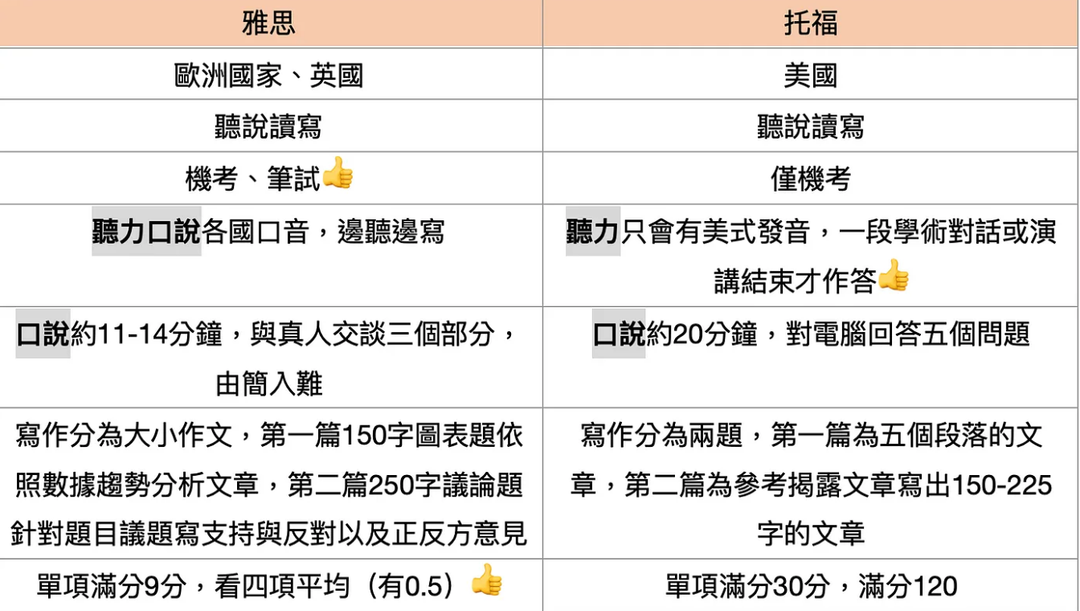
Key points from the table:
Different regions and countries have their own preferences, but in fact most schools accept both tests
For listening and speaking, IELTS has accents from various countries (mostly British, Australian, New Zealand and American), while TOEFL uses only American pronunciation
As for format, IELTS lets you choose between a computer-delivered test and a paper test, while TOEFL is computer-only
Heads up!!!
Whichever test you choose, I suggest treating language proficiency tests like these as a short sprint and getting them done fast. Don't drag out your prep: it wears you out and takes a lot of time. I'd recommend finishing during the winter or summer break of your junior year
Later on there's a separate section with my full IELTS prep and recommended books and resources
# July/August: choosing schools & preparing for tests
How should you choose schools?
I suggest five criteria for choosing schools, and here's why:
Rankings
This is what most people go by, but besides a school's world ranking, take a close look at the ranking and reputation of the specific school or college you'll be in. At the master's and PhD level, each university's strengths differ by field, and that has a big effect on how the school allocates resources
Lifestyle
This is the easiest one to overlook, but studying abroad isn't only about studying; it's also about experiencing life and culture abroad. So when choosing schools, you of course need to think ahead about questions like whether you actually prefer rural or city life
Climate
Your middle and high school geography textbooks probably already told you that "climate deeply affects people's lives". When you study abroad, you definitely need to look into the local weather and climate. For example, a temperate maritime climate can more easily make people feel down or drowsy, and in places at higher latitudes you need to think about buying a car and getting around
Culture
After my admission results came out, I really came to see how important this is. Whether in group discussions or in private conversations, you can feel that certain ethnic groups make up a somewhat larger or smaller share, which affects how people in the department interact and the overall atmosphere. So while choosing schools, you can look up the general backgrounds of admitted students from past years online, and student organizations and alumni associations on the school's official website can also give you more information
Career development
This is without doubt what most international students worry about first before they leave, and it really is something to research and weigh carefully when choosing schools. For example, the University of Rochester (UR below) updates the employment rate, average salary and hiring companies of each year's graduates on its official website every year for applicants to refer to, as shown below:
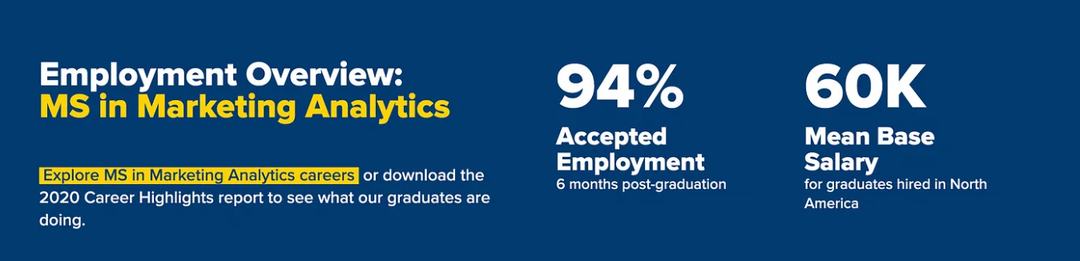
You can also search for alumni on LinkedIn or check the school's official website for more information
How should you prepare for IELTS?
Background: I prepared during the July/August summer break and took IELTS for the first and second time in September and October
# IELTS vocabulary and listening
I don't think you need to spend extra time memorizing vocabulary; the level from Taiwan's high school college entrance exams (學測 and 指考) is enough. The key to IELTS is swapping and comparing synonyms and antonyms, not memorizing every possible word. There are just too many words, and there's no set list.
The first hurdle you have to clear for IELTS is "accents from all over the world", especially British and Australian accents. For test-takers who learned American English in Taiwan, that's without doubt the biggest challenge, and I was no exception. So I especially recommend this book: "IELTS Vocabulary Focus"
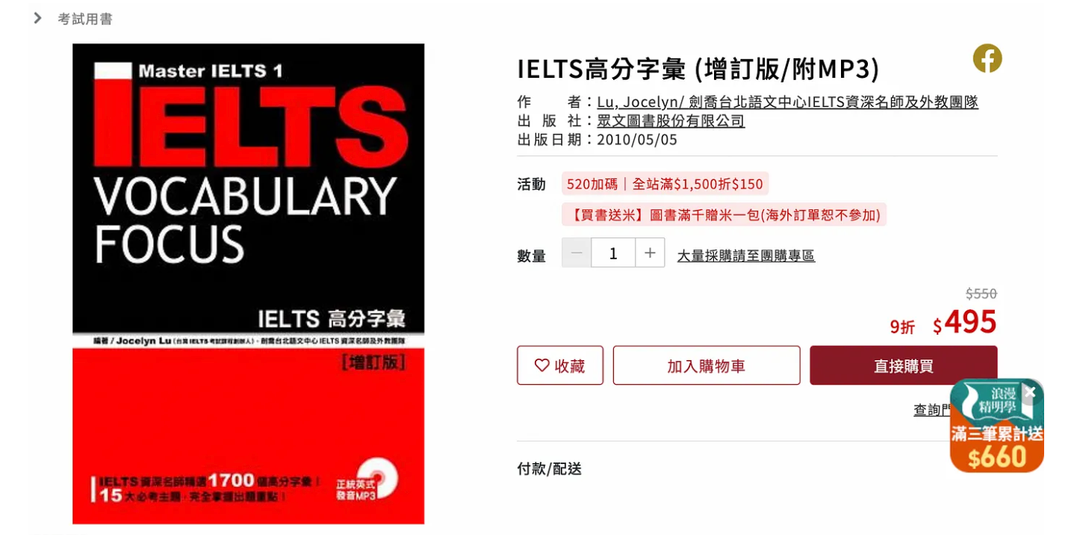
I said earlier "don't memorize vocabulary!", so the way to use this book is to play the CD that comes with it and write down the example sentences and words you hear on blank paper as dictation, then open the book and check your answers after each unit. It's time-consuming, but it trains listening, grammar, spelling and sentence patterns at the same time, and it shows you which phrases and collocations you don't know. You can mark them in the book with a highlighter, and over time you'll gradually train yourself in how native speakers use common expressions and keywords. This prep method got me a Listening score of 8 on my first attempt, for your reference.
# IELTS Reading
In short, it's a reading test with three long, tedious passages and nine question types, including single choice, multiple choice and matching. Remember, the secret to a high score is definitely not trying to understand every word. First master the techniques for each question type, then analyze. Here I strongly recommend an underground cult-favorite book: "Peter’s IELTS note"
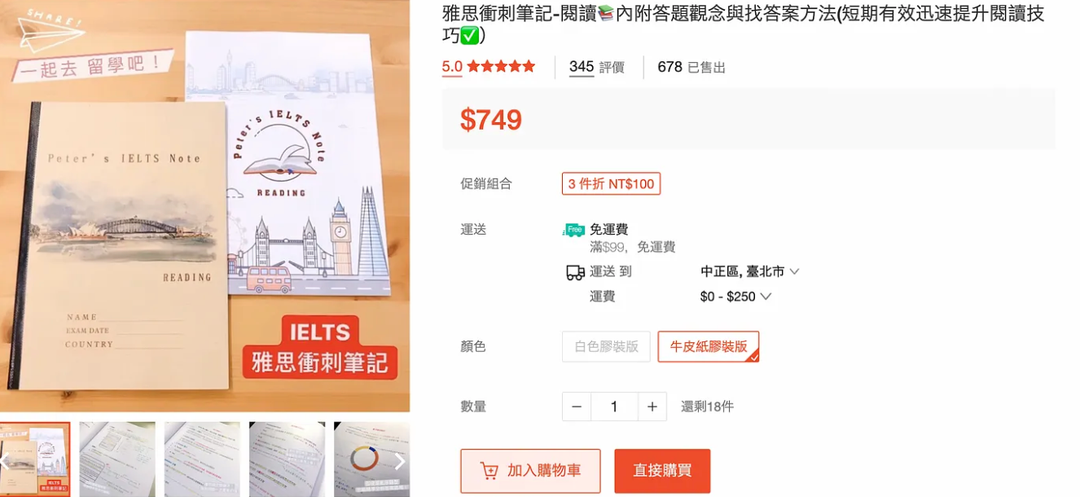
I found this miracle book when I was lost in my prep and trying anything as a last resort. It analyzes and explains every Reading question type in detail, uses the practice tests at the back to mark the keywords and key points for solving each question, and highlights the important sentences in the passages, walking you straight through real IELTS Reading. It helped me get an 8 on my first attempt, for your reference.
# IELTS Writing
Background: I signed up at a prep school back then. Whether I recommend it, and the details of the classes, are covered in a separate section below
The main reason I signed up was that, facing a test I didn't know well, I wasn't sure whether my writing style and approach met the official IELTS requirements. So I decided to take classes, hoping a foreign teacher would correct my essays and give me pointers. But thanks to terminal procrastination, I didn't actually submit my first essay to the website for a foreign teacher to grade until three weeks before the test. A week later I got a 5, and my confidence completely collapsed; I totally fell apart. In desperation I frantically searched online posts and found this book, which I highly recommend: 「連雅思主考官都讚嘆的雅思寫作解題秘笈」 (IELTS Writing Secrets That Even IELTS Examiners Praise)
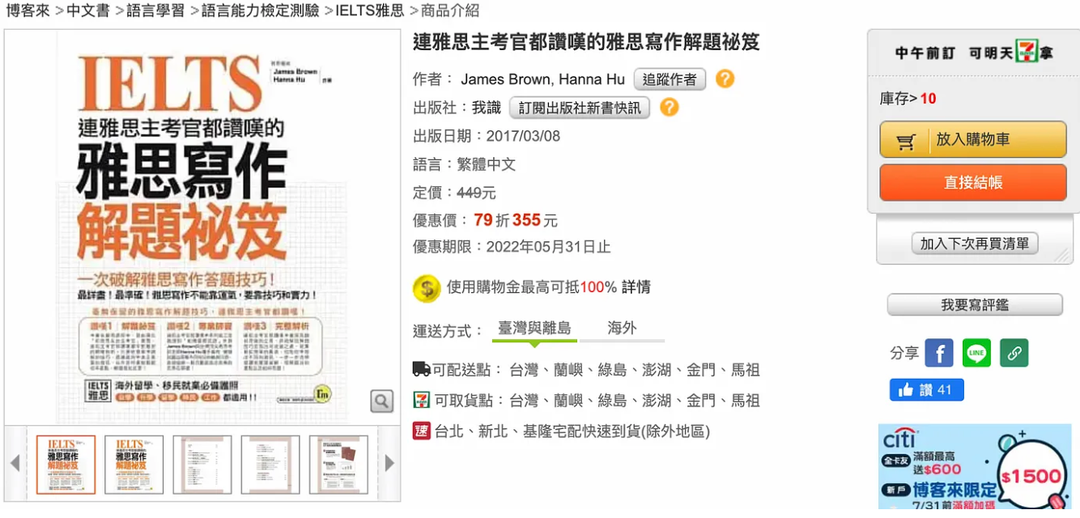
With IELTS Writing, always remind yourself: "Don't memorize templates!" There are so many test-takers every month; if everyone searches online for "IELTS writing templates", an examiner who sees one will surely start at 5 and deduct from there (IELTS officially states that memorized templates or copying other people's writing will be heavily penalized). But I honestly couldn't patiently polish my writing and vocabulary every day either, so the method below suits people who, like me, want a high score fast.
Simply put, IELTS Writing has one short task and one long task. The short task requires at least 150 words and the long task 250 words. The whole test is one hour, and there's no required order or time split, but I suggest analyzing the prompt and finishing the short task within 15–20 minutes, because it's relatively easy to prepare and practice for in advance.
Preparing for the short task
The question types basically give you one or two pie charts, line graphs, bar charts or combined maps, and you have to write a short report by analyzing the data. All you need is to capture the changes between values, the extremes, or the direction and trends; other irrelevant or unimportant details don't all need to go into your writing. I recommend 「連雅思主考官都讚嘆的雅思寫作解題秘笈」 because its logic is very clear: it first introduces and analyzes every chart type you'll come across, then shows one good and one bad sample for each so you can compare and see how to revise for a high score. Here's how I used the book:
I had less than two weeks left before the test, so I read 80–100 pages a day and finished it in a week. After working through each question type with the book, I scanned the "good sample essay" for each type on my printer and used a pen to mark and organize words and sentence patterns that I found elegant and that suited my own writing style.
In the first paragraph of the short task, you only need to capture the most important information in the chart, such as the maximum, the minimum, and trends like a rise followed by a decline. Remember: "no figures" in the first paragraph. Then give the values item by item in the second paragraph.
Preparing for the long task
Again, I suggest first getting familiar with the question types in the book, then noting down approaches that suit your writing style. The difference is that for the long task you also need to organize related topic vocabulary, collocations and phrases by "issue", for example the effect of light pollution on the environment, or the effect of more and more private cars on urban air pollution. They look like two separate prompts, but once you organize them you'll find you handle related environmental and urban development prompts with ease later. An even bigger benefit is that you're also preparing for Part 3 of IELTS Speaking, since Part 3 is a detailed discussion and debate on specialized social issues.
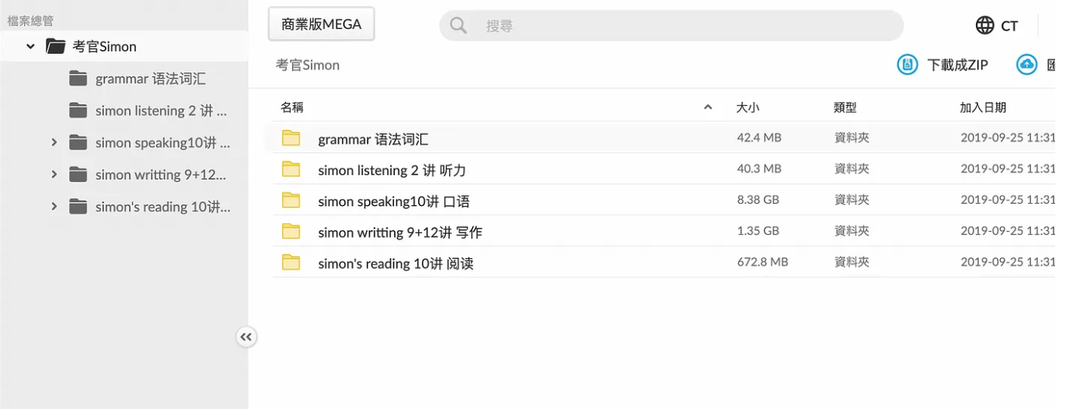
Finally, I have to recommend something no IELTS test-taker should miss: the "Simon" resources. Simon is a former IELTS examiner who, after retiring, put together a huge collection of prep resources, so as you can imagine it's an absolute prep bible. But there's so much material that you can't possibly read it all from start to finish. What I did was read 10 long-task sample essays and 20 short-task sample essays a day, and again collect the words and sentences I found elegant in my own notes. That way, by test day you'll have "a template that's yours alone". In other words, it won't overlap with anyone else's in the exam room, yet it'll be at the level of a sample essay.
# IELTS Speaking
Speaking is definitely a big weak spot for a lot of people. In my case, I had no English-speaking environment and wasn't very confident speaking up, which is why I later decided to go to a prep school. Before recommending prep school resources, I'd like to share this book: 「IELTS雅思口說里茲螞蟻英文說話術」
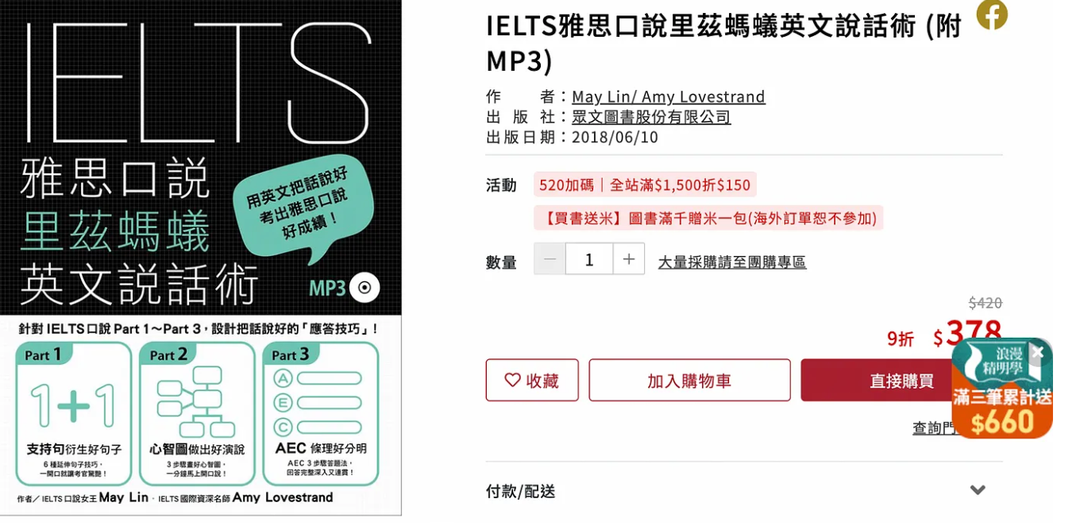
It's written by a teacher who runs classes in the industry. It clearly lays out every question type in IELTS Speaking Part1~Part3 and how to handle them, along with plenty of practice questions you can work through while listening to the CD. It's very practical and true to the real test. Once you're familiar with the questions, of course you need to download the must-have IELTS Speaking prep tool: the "雅思哥" (IELTS Ge) mobile app
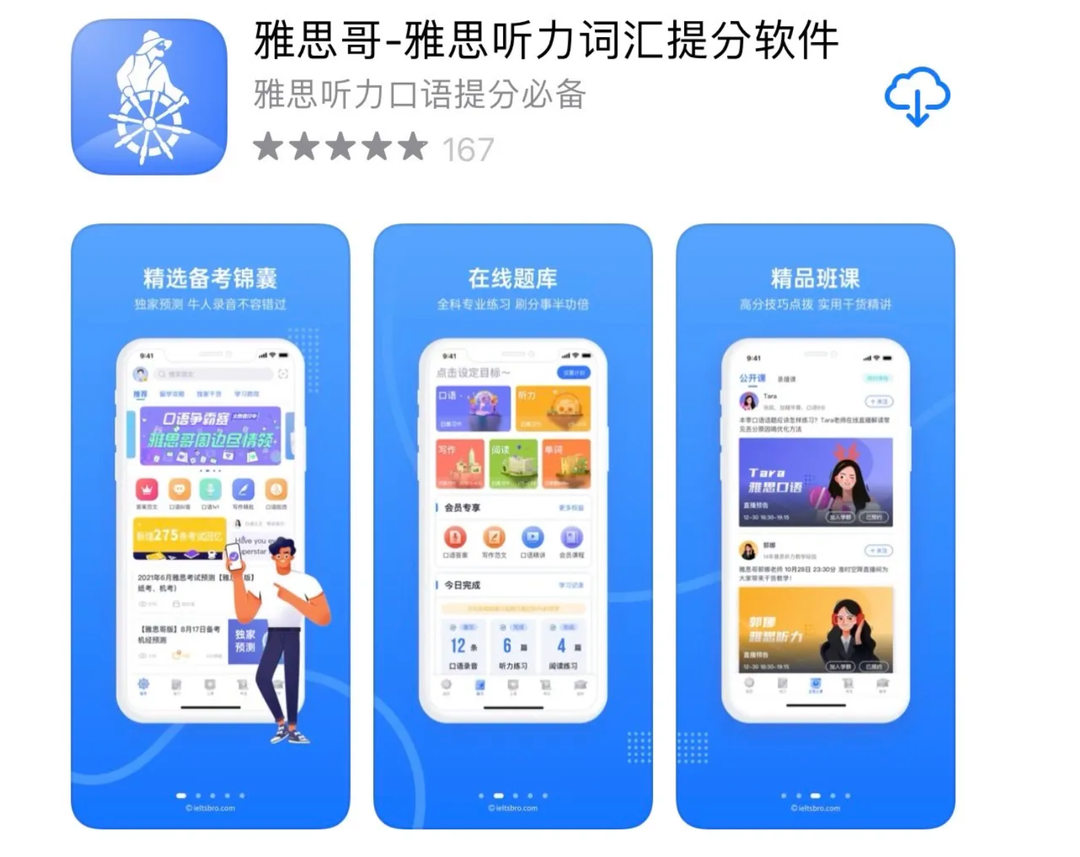
All the questions and answers in it are compiled from test-takers around the world (mostly in mainland China), who freely upload the questions they got after their test, so as you can imagine it's incredibly valuable as a reference. Both the topic summaries for each season and the predicted questions for the month are well worth practicing again and again. Based on my own two tests and my friends' experiences, 雅思哥 is definitely worth using.
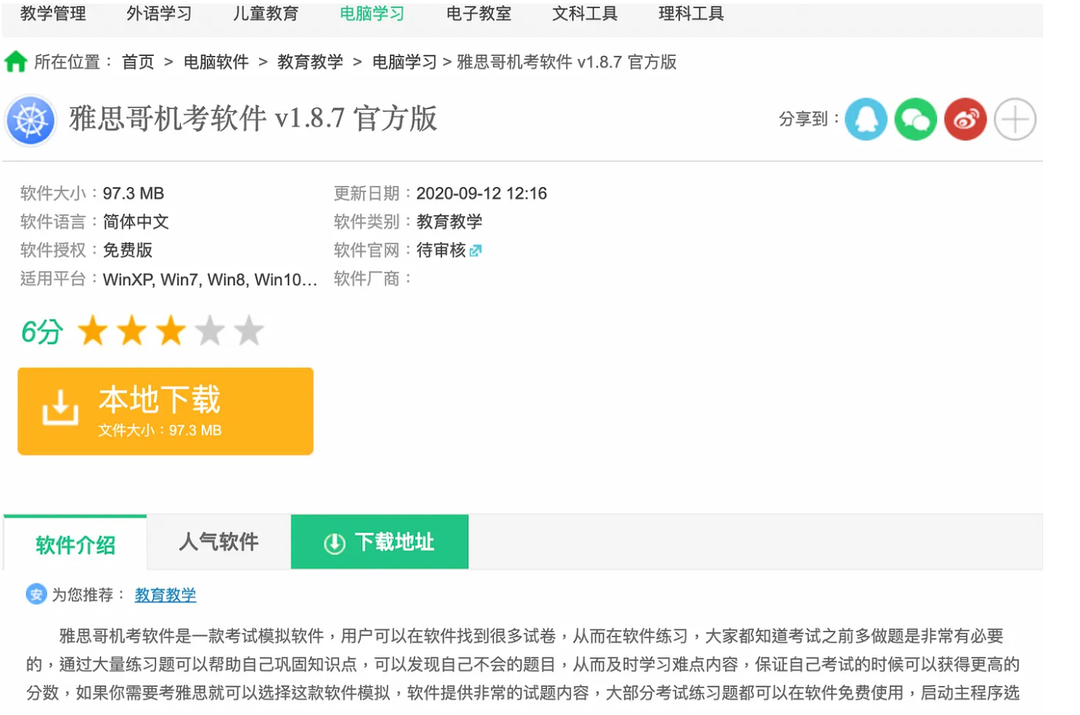
I also highly recommend 雅思哥's PC computer-test simulator, which lets anyone planning to take the computer-delivered IELTS get used to the software at home first. After all, in the real test you don't have much time to figure things out. For free software, it's remarkably realistic.
Is a prep school really worth it?
Finally, the question most people are unsure about: should you go to a prep school? My conclusion from personal experience: as long as your goal is clear and you use it well and smartly, it's definitely worth it.
While preparing last year, I searched online for a lot of information and finally found a chain prep school (I signed up for online classes through the Hsinchu branch). After the advisor explained, the classes basically came as pay-per-class or all-you-can-eat plans, for example 96 classes for 20,000 or unlimited classes for 6 months for 30,000 (examples I made up, not real market prices). In the end I chose the 6-month all-you-can-eat plan. Scheduling was flexible: basically any class they offer that fits your schedule and that you can handle, you can book. The classes cover a lot, including beginner, intermediate and advanced vocabulary, grammar, and separate listening, speaking, reading and writing skills classes for TOEFL and IELTS. Here was my prep school strategy:
I chose the advanced vocabulary class, not to memorize words, but to learn the prefixes, roots and suffixes the teacher taught, so that when I met an unfamiliar word I'd know how to break it down and roughly work out its part of speech and structure. Mainly I wanted to feel more mentally prepared when I hit a load of hard words in IELTS Reading.
I chose the IELTS listening, reading and speaking skills classes. At the start of each class the teacher explains the key points and techniques you need for that section, then works through practice questions with everyone. I think these are essential for getting to know a test quickly, but the full course would take 2 or 3 months, so I suggest just taking 4~6 classes intensively. The rest you can only absorb by doing practice questions and correcting them yourself.
I chose the various speaking classes, which I highly recommend whether or not they're aimed at IELTS. Besides one-on-one practice with a foreign teacher, after giving pointers the teacher sends everyone off to practice in pairs, so it's hard not to talk even if you don't want to; two people can't just stare at each other in a zoom room. It really helped me prepare immersed in an all-English environment. Highly recommended.
Tip!
You don't need to sign up for the writing classes. I think that series suits people who want to build their skills over the long term, not test-takers who want a high score in a short sprint. The safer way to prepare for Writing is still the method above.
Conclusion
This was during the Level 3 COVID alert. Since I couldn't go out, I spent two intensive weeks finishing all 20 advanced vocabulary classes and copying out my notes. Together with the other classes recommended above, it took me about a month and a half in total to fill in the gaps I needed to. The prep school's contract had a clause saying "withdraw before 1/3 of the classes are finished and get 1/2 of the tuition back", so in the end I completed the full program at half price and took my test on time. I think that's a very economical way to do it.
# Other must-have prep resources
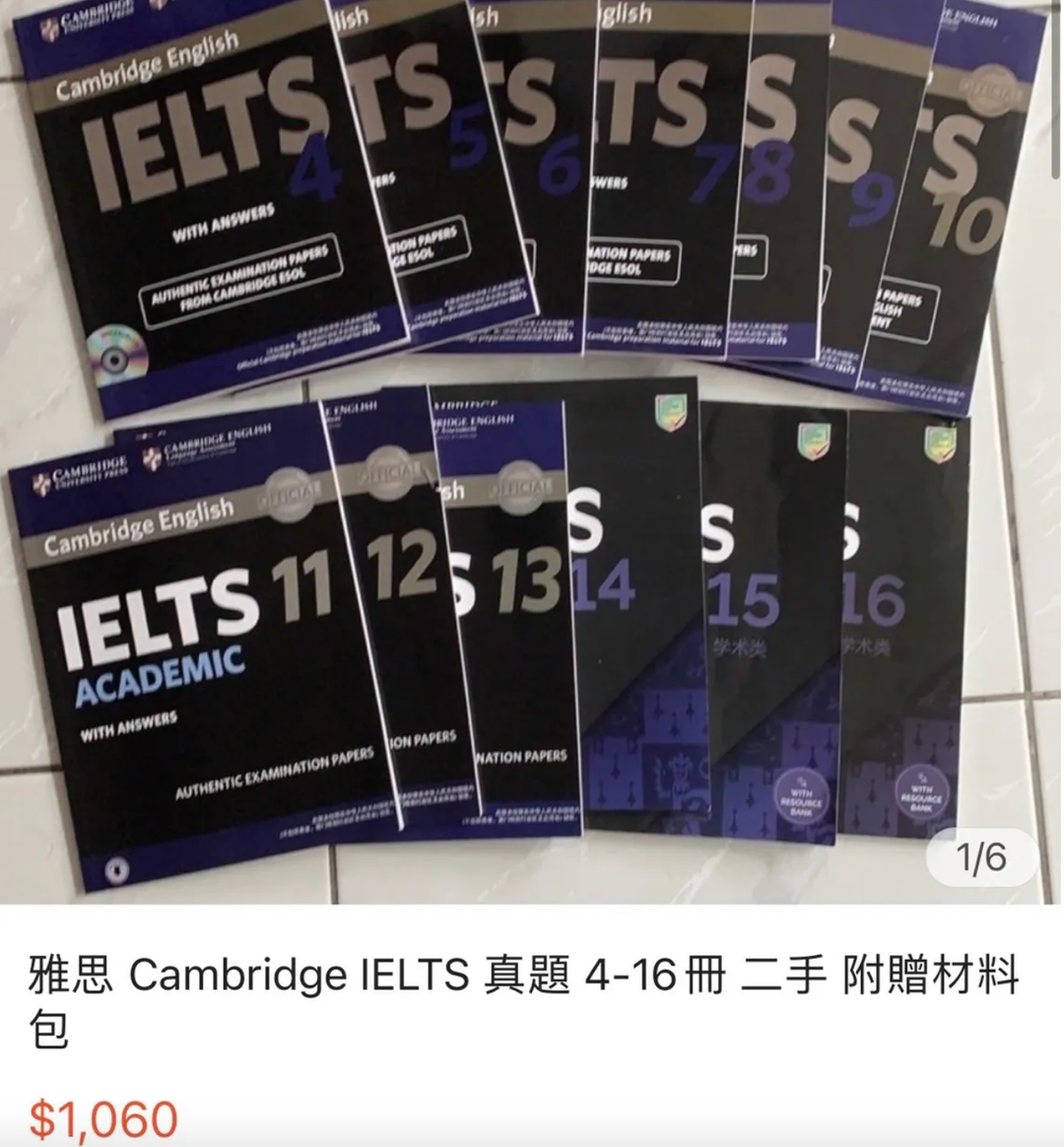
Finally, you absolutely have to buy the "Cambridge" series of past papers. This is the official series of practice books, in other words the official question bank. When I was preparing last year (2021), it was already up to the 16th edition. A lot of people online say you don't need to do anything before the 12th edition because IELTS changed its format after that, but since they come from the same question bank, I think they still have some reference value. I'd suggest working back to around the 8th edition.
IELTS test centers I highly recommend
After my first and second attempts, I want to recommend two comfortable, high-quality test centers:
1. BC's Taipei Agriculture Xinyi Building
📍 MRT Daan Station, Exit 1 (across from the Affiliated Senior High School of National Taiwan Normal University)
Recommended for anyone taking the computer test. The areas are clearly separated, so test-takers who want to review and those who want to rest don't disturb each other, and the staff are friendly and patient, so even if it's your first time facing the complicated IELTS procedures, you don't need to worry.
2. IDP's Taipei Computer Association
📍 Bade Road, Songshan District (next to the TTV building)
Recommended for anyone who wants to take the paper test but have personal headphones for the Listening section. It's the perfect combination. Highly recommended!
# November/December: final school list & writing application documents
Don't be scared off by the complicated application requirements on school websites. Each school asks for different things, but once you look closely they're much the same. Below I use what Emerson College listed for its 2022 Strategic Marketing Communication program as an example:
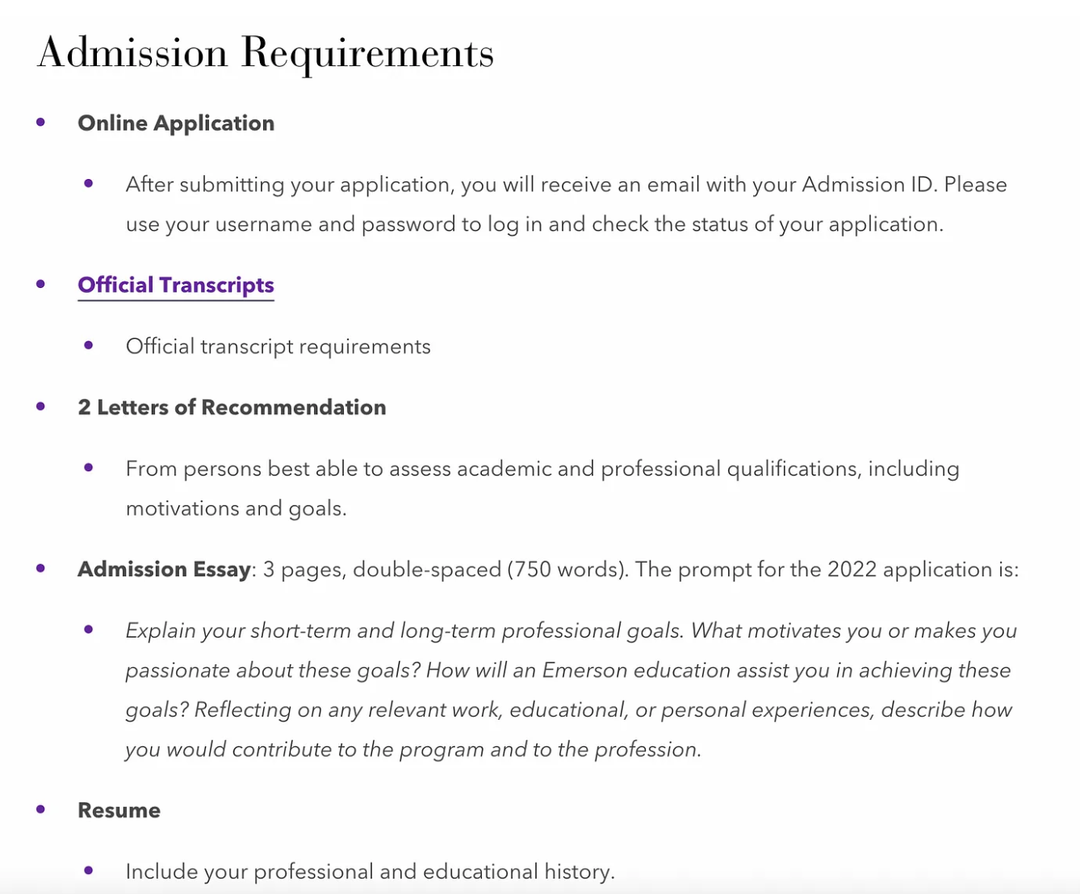
# Online Application
This means applicants must register an account and password, so you can upload documents and check your application status later. You can also use this account to contact the staff member in charge of your application
#Official Transcripts
These are your academic transcripts, usually obtained from your university's registration office or from a machine on campus that prints transcripts. Remember that "you need to request both Chinese and English versions". A few schools also require a WES credential evaluation, which basically means paying a third-party organization to verify your grades. In my experience it was 75 US dollars per copy, which is very expensive.
#Recommendation
The number of recommendation letters varies by school, usually two or three. I suggest preparing three just in case. Two of mine came from internship supervisors and one from a university professor.
#Essay
Naturally the most troublesome part of the whole application. Before you start writing, be sure to read the prompt requirements and word limits carefully. Don't leave out anything that's required, and don't write too much beyond what's asked. Be honest, and don't make things up to pad it out. Each school's prompts differ, and the six schools I applied to all asked for different things, but they generally revolve around a few themes:
What are your short-term/long-term goals?
If something unexpected happens, what's your plan B?
Why is this school right for you?
What contribution or value can you bring to the school?
Remember
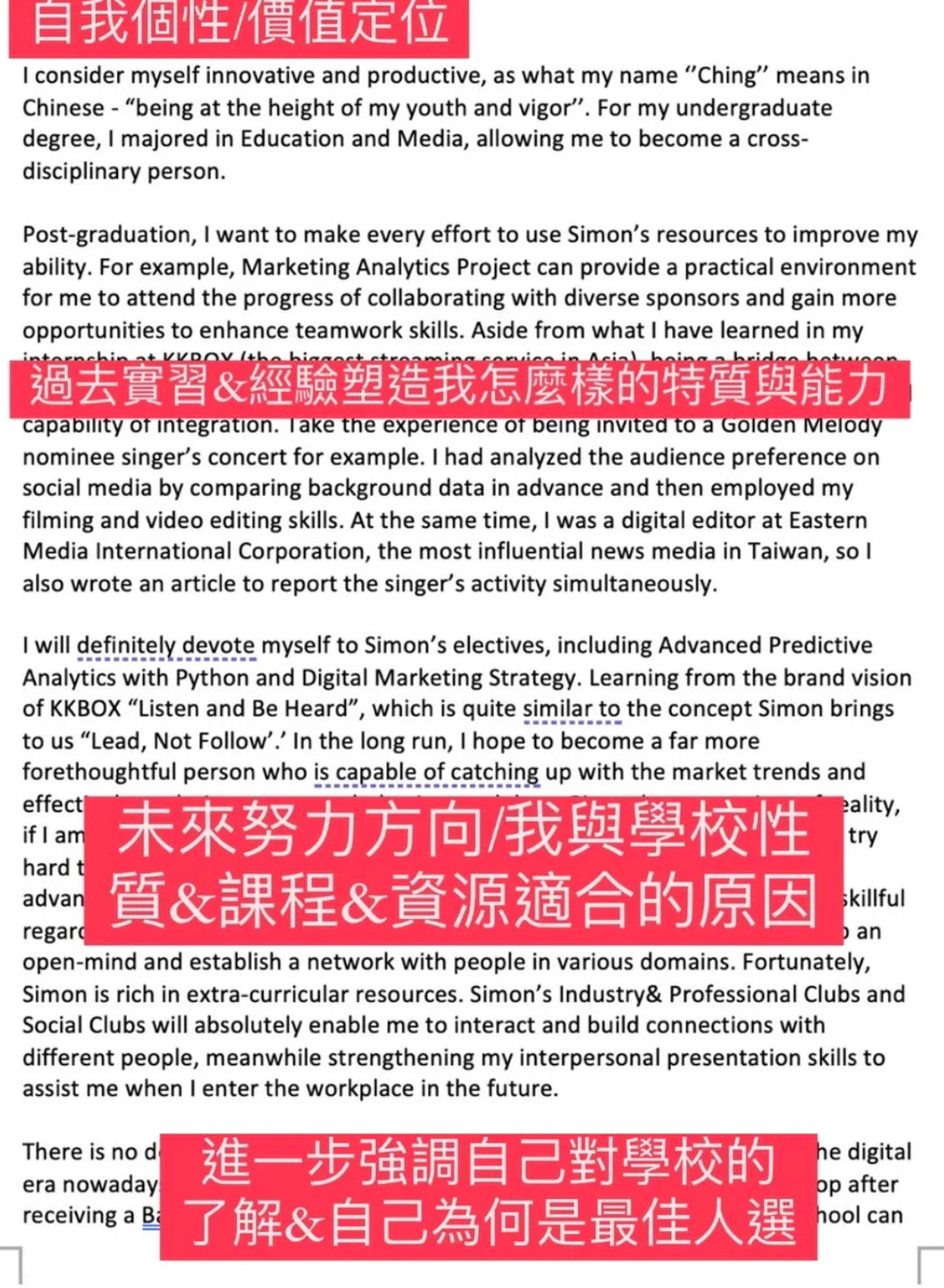
More than the resources they can give you, schools abroad care about what you can contribute to their campus and even to their reputation in the industry. When planning your essays, try to connect yourself with the school's character and vision: make the most of what you have in common, and use the differences to highlight your strengths and diversity. Below is one of my essays as a template for reference:
#Resume
Finally, the résumé. The ideas and approach aren't much different from a Chinese résumé, and I covered it in my previous video, "My Interview Techniques for Landing Every Application", so if you're interested you can go back and watch it. My latest résumé is also up on my LinkedIn, and I welcome talented people from every field to learn together and exchange ideas.
Video link: "My Interview Techniques for Landing Every Application"
That's what I've learned over roughly the past year. Most of it is fairly subjective; after all, there's no single right path to success. If anything isn't explained well enough, please help fill it in in the comments. Thanks again to all the people and resources that helped me along the way, and best of luck to everyone studying abroad.
For any questions or suggestions, feel free to reach me on LinkedIn or Instagram 💌 And feel free to subscribe to my Medium, where I'm still posting new articles!
Schools in this post
See each school's applicant numbers, admit rates and past applicants' results
See admission data for these schools
EmmaCheng
Aug 25, 2023
IG小粉絲簽到! 之前就有追過學姊的YT + IG 是勇敢且溫暖的人! 感謝分享
Ariel 陳佑青
Dec 28, 2023
謝謝你!

Kaley Yang
Aug 25, 2023
+1 我也期待學姐更多的分享!文章超級長、乾貨滿滿
Ariel 陳佑青
Dec 28, 2023
感謝支持!
Ariel 陳佑青
Dec 28, 2023
This comment has been deleted