Translated by OfferLand from the original Traditional Chinese post. View original

SK2 TOEFL 共同創辦人David
Apr 2
TOEFL Writing: Reading Other People's Essays Matters More Than Writing Your Own
I'm David, lead consultant of the SK2 New TOEFL Intensive Course.
Since the new TOEFL started in January this year, nearly 10 of my students have scored 5.0 or above on the new scale (100+ on the old one). Over the same period I've marked more than 150 essays, so I know the common writing problems inside out.
If you're also preparing for the TOEFL or another language test, I wonder if you've ever thought about this: "reading other students' essays" is very important.
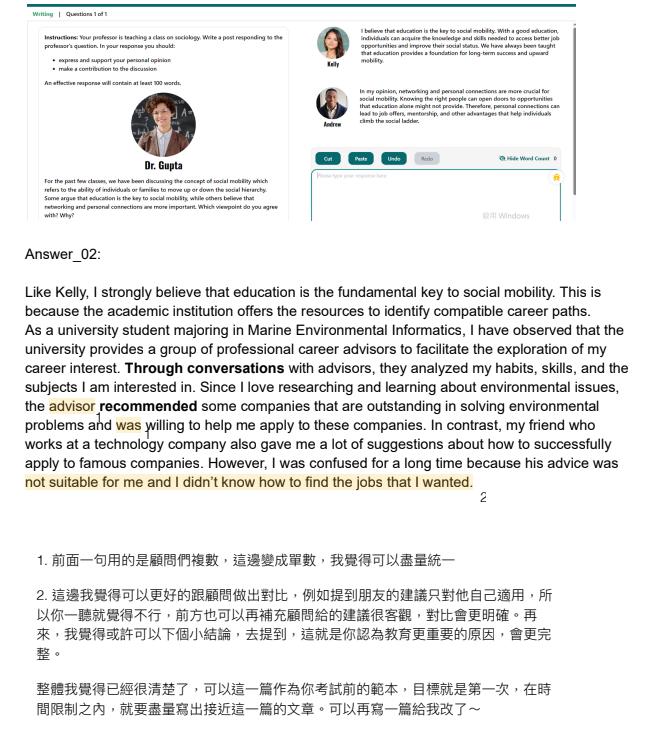
Compare how their structure, ideas and development of examples differ from yours. When you find their problems, you're effectively playing the grader and practicing reading essays objectively, so when you turn back to your own work you can see your problems more objectively. And look at what the teacher suggested for other people's essays.
Reading other people's essays shows you whether, when you review your own work, you can "find the right problems" and whether you understand "how those problems should be fixed."
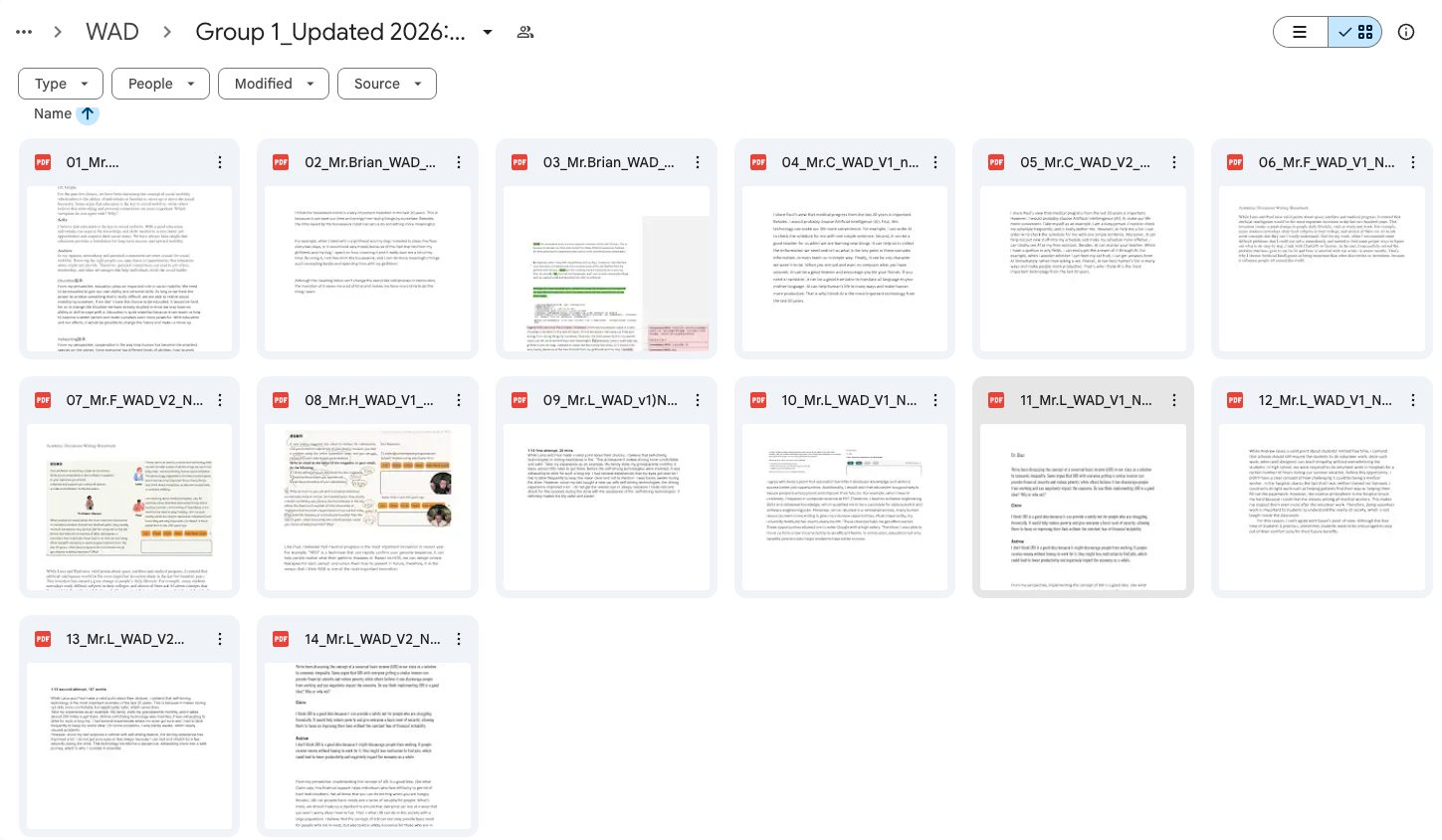
I give careful feedback on every assignment from students in the intensive course: besides pointing out problems, I analyze the reasons behind them and give suggestions. It seems a bit of a waste that only I get to see hundreds of TOEFL essays and hundreds of speaking recordings. So I've put together the "100 x 100 TOEFL Writing + Speaking Feedback Database," which I plan to share with everyone in the next few days.
Some students have also shown me essays that other teachers marked. Frankly, just circling the grammar mistakes and handing it back, or giving a template that doesn't fit the prompt, isn't much use.
Reading one essay properly beats practicing three. If you're preparing for the new TOEFL, follow me: I often share common problems from students' essays so you can check your own.
* The essay in the image is the second version one of my students wrote for the same prompt. Writing the same essay a few times lets you build your own model essay, which is a method I highly recommend. I'm posting it here for your reference.
If you'd also like to learn more
On 4/4 I'm giving an online TOEFL master class open to the public. If you also want to know what the new TOEFL tests, plus test strategy, and get a real look at the question types, you're welcome to join:
