Translated by OfferLand from the original Traditional Chinese post. View original

Chunlin Damien Yu
Updated Sep 15, 2023
Exploring Japan with Ease! A 360° Record of Food, Clothing, Housing, Transport and Fun【Japan Living Guide】

2022 Fall - 2023 Spring: My life in Japan as an exchange student at Kwansei Gakuin University
Getting ready to live in Japan for a while but not sure where to start? This post covers apps for eating, drinking and having fun, plus all-round tips for getting through the paperwork, so you can sort out life in Japan without the headaches!
Contents
Japan Living Guide ① Handy apps to upgrade your food, clothing, housing, transport and fun in Japan
Japan Living Guide ② Residence card, health insurance, My Number Card and other paperwork & opening a bank account
Japan Living Guide ③ Conclusion: follow exchange-student experiences in Japan so you don't get lost studying or working there
▶️ Further reading: How to get into Kwansei Gakuin University in Japan: preparing your exchange application documents
Japan Living Guide ① Handy apps to upgrade your food, clothing, housing, transport and fun in Japan
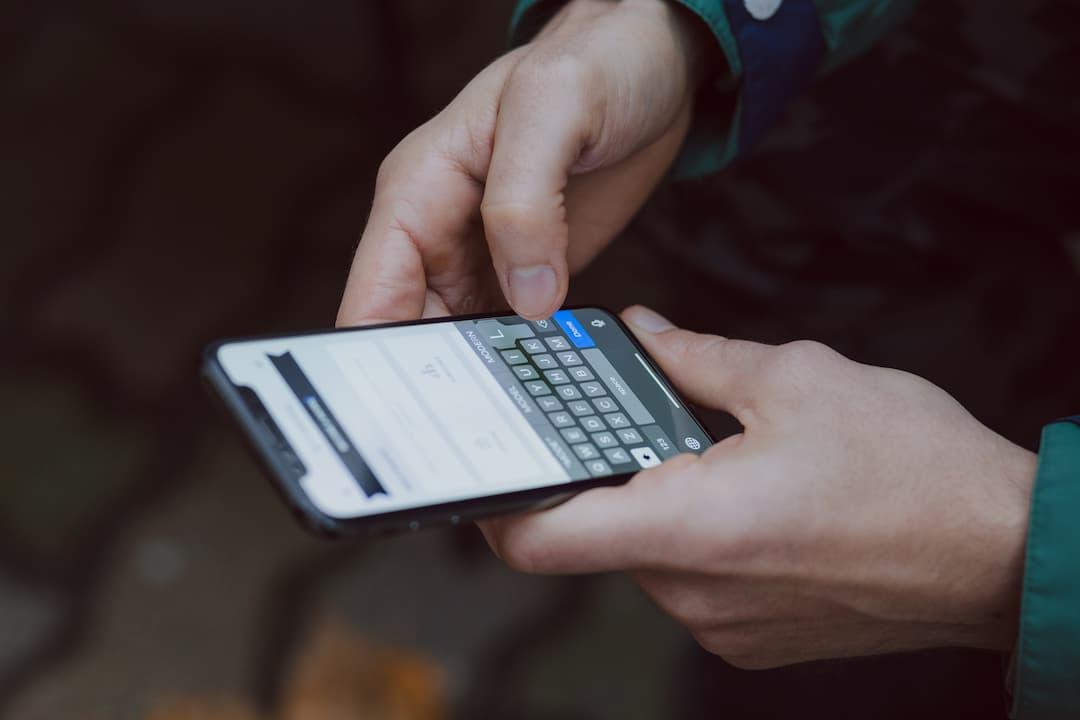
Apps are an essential part of life in Japan. Here's how to make the most of your time there
(1) Finance and spending apps
MUFG Bank: the MUFG online banking app. Handy for checking transfers or account info in real time
記帳城市 (expense tracker): track your personal spending
マイナポイント / Mynaportal: when you apply for a My Number Card, complete biometric verification through this app to earn reward points
PayPay: one of Japan's top three e-payment services. Check for available coupons before you pay
Revolut: one option if you want a Visa debit card during your first 6 months in Japan
(2) Must-have apps for job hunting
快活 CLUB (Kaikatsu Club): earn points as an internet café member and redeem them for cash discounts
洋服の青山 (Yofuku no Aoyama): a well-known Japanese formalwear retailer. Use your student discount or member points before you buy
SHIRU CAFE: limited-time free cafés near major Japanese universities, with lots of job and event information
Whoscall: identifies calls from your school or companies
(3) Food and entertainment apps
食べログ (Tabelog): good enough for checking restaurant reviews or menus. Take the star ratings with a grain of salt; Japanese diners rate restaurants quite strictly
ブックオフ (BOOKOFF): a bookstore app. BOOKOFF is a good first stop for buying and selling used books
ジャンカラ (Jankara): a karaoke membership app in western Japan. Personally, I think it's a better experience than Karaoke-kan or Manekineko
まっぷるリンク (Mapple Link): search tourist spots across Japan. When you don't know where to go, look here first
(4) Everyday essentials
乗換案内 (Norikae Annai): covers land, sea and air transport; use it to look up transfers and fares
ChargeSPOT: a power bank sharing app. Supports Lightning / USB Type C / Micro USB
Coke ON: buy from vending machines, collect points and redeem free drinks. A must if you buy drinks every day
GO: Taxi GO feels like it covers a wider area than Uber, and hailing a cab is easy
WESTER: JR West's official app. One feature lets you tap your transit IC card to check the balance
(5) Other apps
Dtto: Japan's Dcard. If you want to meet friends from other schools, you can draw match cards there
すごい時間割: a class timetable and classroom app. Worth trying if you keep getting lost on campus at first
USJ: the in-park app for Universal Studios Japan. You also need it to enter the lottery for Super Nintendo World entry tickets
Japan Living Guide ② Residence card, health insurance, My Number Card and other paperwork & opening a bank account

Japanese paperwork can be complicated, but if you follow the steps, you'll likely spend less time waiting
(1) Residence card
You get it when you enter Japan. If you want to work part-time, tell the immigration officer you need "Permission to Engage in Activity Other Than That Permitted" (資格外活動許可)
Adding the kanji form of your name requires a separate trip to a government office, and there's an administrative fee for the notation alone
When you leave Japan after your visa expires, a hole is punched in the card to show you no longer have a Japanese address
(2) National Health Insurance card
After arriving, you'll get health insurance information from your local ward office. Remember to pay on time
Show your insurance card when you see a doctor to get 70% OFF, meaning you only pay 30% of the medical costs
Before leaving when your visa expires, go to the ward office to cancel your health insurance
(3) My Number Card
Having one lets you join promotions (if there are any), but it doesn't really matter if you don't get one
Before leaving when your visa expires, show it to the staff yourself and have them add a notation to the card
(4) Opening a bank account (Japan Post / MUFG Bank)
Once you've lived in Japan for 6 months, you can open an account at financial institutions other than Japan Post. For example, if you arrive on 09/07, in theory you can open one after 03/07 the following year
Between leaving Japan and your visa expiring, the account can still receive money & be used for withdrawals abroad. Also, the bank clerk said that if you're sure you'll come back to study or work in Japan the next year, you don't need to close the account; if it gets frozen, you can go through the paperwork to use it again
Japan Living Guide ③ Conclusion: follow exchange-student experiences in Japan so you don't get lost studying or working there
Besides getting to know all kinds of handy apps and understanding Japan's paperwork ahead of time, you may also be curious about planning trips, doing internships, part-time jobs after class and other practical info. Follow this account, or read more of my experiences on Medium at 游駿霖 Chun-Lin (Damien) Yu.
Originally published in: 〈Exchange at Kwansei Gakuin University ✍️ My Life in Japan〉
Schools in this post
See each school's applicant numbers, admit rates and past applicants' results
See admission data for these schools
yangalice88
Oct 9, 2023
想聽更多經驗分享! 日本的經驗板上好像不多